
Pregnancy often comes with a flood of dietary advice, some accurate, some outdated, and some downright confusing. Chia seeds are one such food that constantly sparks questions among expecting mothers. Are they safe? Do they cause complications? Or are they actually a nutritional gem worth adding to your daily plate?
we take a close look at chia seeds in pregnancy, separating popular myths from evidence-based facts. With guidance from Dietician Nandini Sikka at CatcHealth, we will cover safety, benefits, ideal timing, and practical ways to include this tiny seed in your pregnancy diet.
Table of Contents
ToggleWhat Makes Chia Seeds Nutritionally Special?
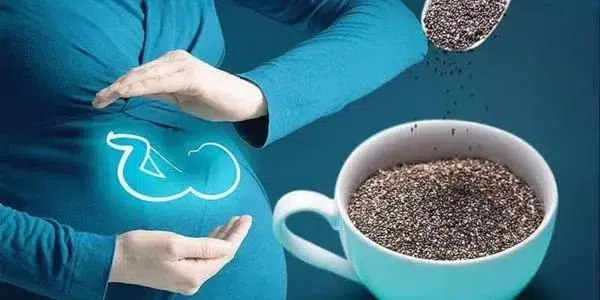
Chia seeds are tiny black or white seeds packed with omega-3 fatty acids, fibre, calcium, iron, and protein. This nutrient density is exactly why chia seed pregnancy discussions have grown so common among nutritionists and expecting mothers alike. A single tablespoon of chia seeds can provide a meaningful contribution toward daily fibre and mineral needs, both of which are especially important during pregnancy.
Compared to many other seeds, chia also has the advantage of forming a gel-like texture when soaked, which makes it easier to digest and incorporate into a variety of dishes.
Are Chia Seeds Safe During Pregnancy? Busting the Biggest Myth
One of the most searched questions is are chia seeds safe during pregnancy. The short answer, according to most nutrition experts, is yes, when consumed in moderate, appropriate amounts. The myth that chia seeds cause miscarriage or harm to the baby is not supported by scientific evidence. In fact, chia seeds are widely recommended as part of a balanced prenatal diet due to their fibre and omega-3 content.
Like any food, however, moderation matters. Overconsumption of any high-fibre seed can lead to digestive discomfort, so portion awareness remains important throughout pregnancy.
Can We Eat Chia Seeds in Pregnancy? What Experts Recommend
So, can we eat chia seeds in pregnancy without concern? According to Dietician Nandini Sikka, most healthy pregnant women can safely include chia seeds as part of their regular diet, provided they are introduced gradually and consumed with adequate water intake. Since chia seeds absorb liquid and expand, drinking enough water alongside them helps prevent bloating or constipation.
For women wondering can you eat chia seeds while pregnant despite family concerns or online myths, rest assured that current nutritional science supports their inclusion as a wholesome, fibre-rich addition to the diet.
Chia Seeds for Pregnancy: Key Benefits Trimester by Trimester
The benefits of chia seeds for pregnancy can vary slightly depending on the trimester. In the first trimester, the fibre content can help ease constipation, a common early pregnancy complaint. In the second trimester, the omega-3 fatty acids support the baby’s brain and eye development. By the time you reach chia seeds in pregnancy third trimester, the calcium and protein content becomes particularly valuable for supporting bone development and preparing the body for delivery.
This makes chia seeds for pregnancy a versatile addition throughout all three stages, rather than something limited to just one phase.
Is Chia Seeds Good for Pregnancy? Addressing Common Concerns
Many expecting mothers ask, is chia seeds good for pregnancy overall, especially given how many superfoods are marketed aggressively during this stage of life. The honest answer is that chia seeds are genuinely beneficial when used correctly, but they are not a miracle food that replaces a balanced diet. They work best as part of a wider nutritional strategy that includes fruits, vegetables, whole grains, and adequate protein.
If you want a full picture of pregnancy-safe nutrient-dense foods, our detailed guide on real superfoods during pregnancy explains how chia seeds fit into the bigger dietary picture alongside other essential foods.
How to Consume Chia Seeds During Pregnancy the Right Way
Knowing how to consume chia seeds during pregnancy safely is just as important as knowing whether they are safe at all. Chia seeds should ideally be soaked in water, milk, or yogurt for at least fifteen to twenty minutes before eating, as this softens them and makes digestion easier. Dry chia seeds, if swallowed without soaking, can occasionally cause throat discomfort or digestive strain.
A simple approach is to soak one to two tablespoons of chia seeds in a glass of water overnight and consume it the next morning, or mix soaked chia into smoothies, oatmeal, and homemade puddings.
Best Time to Eat Chia Seeds During Pregnancy
There is no single mandatory time, but many dieticians suggest that the best time to eat chia seeds during pregnancy is in the morning, either soaked overnight or added to breakfast. This allows the fibre to support digestion throughout the day and prevents the bloating that can sometimes occur if consumed too close to bedtime.
Some women also prefer having a small chia-based snack in the afternoon to manage hunger between meals, which can be especially helpful during the later stages of pregnancy when appetite fluctuates.
Chia Seeds in Pregnancy Third Trimester: Special Considerations
As you approach chia seeds in pregnancy third trimester, portion control becomes slightly more important since digestion can naturally slow down due to the growing uterus putting pressure on the digestive tract. Sticking to one tablespoon per serving, well soaked, and paired with adequate water intake helps avoid discomfort while still delivering the nutritional benefits your body needs in these final weeks.
Chia Seeds Nutritional Snapshot for Pregnant Women
To make things easier, here is a quick nutritional snapshot of chia seeds and how each component supports pregnancy health.
Nutrient (per 1 tbsp / ~12g) | Approximate Amount | Pregnancy Benefit |
Fibre | 4-5 grams | Eases constipation and supports healthy digestion |
Omega-3 Fatty Acids | ~2,000 mg (ALA) | Supports fetal brain and eye development |
Calcium | ~75 mg | Supports bone development for mother and baby |
Iron | ~0.8 mg | Helps prevent pregnancy-related anaemia |
Protein | ~2 grams | Supports tissue growth and repair |
When to Be Cautious with Chia Seeds
While chia seed pregnancy use is generally safe, certain situations call for extra caution. Women with a history of digestive disorders, swallowing difficulties, or specific allergies should consult their doctor or a qualified dietician before adding chia seeds to their routine. It’s also wise to introduce any new food gradually and observe how your body responds.
If you are managing pregnancy alongside other nutritional concerns, a personalised pregnancy and lactation nutrition plan can help ensure chia seeds and other foods are balanced correctly for your specific needs.
Chia Seeds vs Other Popular Pregnancy Superfoods
It is natural to compare chia seeds against other trending pregnancy foods like flaxseeds, pumpkin seeds, or almonds. While each of these offers its own nutritional strengths, chia seeds stand out for their unique combination of high fibre, plant-based omega-3s, and easy digestibility once soaked. Unlike flaxseeds, chia seeds do not require grinding to be absorbed effectively, which makes them a more convenient option for busy expecting mothers.
That said, variety remains important. Rotating chia seeds with other nutrient-dense foods ensures a broader range of vitamins and minerals rather than relying on a single source for prenatal nutrition.
Dietician Nandini Sikka’s Advice for Expecting Mothers
Dietician Nandini Sikka, who works closely with expecting mothers at CatcHealth, emphasises that no single seed or superfood should be viewed in isolation. She recommends viewing chia seeds in pregnancy as one small but valuable piece of a well-rounded prenatal diet, rather than a standalone solution for nutrient gaps.
- Always soak chia seeds before eating to ease digestion.
- Stick to one to two tablespoons daily unless advised otherwise.
- Pair chia seeds with a variety of whole foods for balanced nutrition.
- Watch for signs of digestive discomfort and adjust portions accordingly.
- Get a personalised nutrient check if you suspect gaps beyond fibre and omega-3, through a vitamin deficiency assessment.
Frequently Asked Questions
Q: Are chia seeds safe during pregnancy in every trimester?
A: Yes, chia seeds are generally considered safe during pregnancy across all trimesters when consumed in moderate amounts and properly soaked. It’s still wise to check with your doctor if you have specific health conditions.
Q: Can you eat chia seeds while pregnant if you have digestive issues?
A: If you have existing digestive sensitivities, introduce chia seeds slowly and in small amounts. Always soak them well and drink plenty of water to minimise the chance of bloating or discomfort.
Q: What is the best time to eat chia seeds during pregnancy?
A: Most dieticians recommend having soaked chia seeds in the morning, either on their own or mixed into breakfast foods, to support digestion throughout the day.
Q: How to consume chia seeds during pregnancy safely?
A: Soak chia seeds in water, milk, or yogurt for at least fifteen minutes before eating, and limit intake to about one to two tablespoons daily as part of a varied diet.
Q: Is chia seeds good for pregnancy compared to other seeds?
A: Chia seeds offer a strong combination of fibre, omega-3 fatty acids, calcium, and protein, making them one of the more balanced seed options for pregnancy nutrition when used appropriately.
Final Thoughts
Chia seeds in pregnancy are far more myth-laden than they deserve to be. When consumed correctly, in moderate portions and properly soaked, they can be a genuinely valuable addition to a balanced prenatal diet, supporting digestion, fetal development, and maternal nutrient needs across every trimester.
If you want a personalised approach to pregnancy nutrition, including how to safely include chia seeds in pregnancy, the team at CatcHealth, led by experts like Dietician Nandini Sikka, is ready to guide you. Book a consultation with CatcHealth today for expert, judgement-free pregnancy nutrition support.
Your Wellness Journey Begins Here