

High blood pressure, also called hypertension, has quietly become one of the most common lifestyle conditions in India today. What makes it dangerous is that most people don’t notice anything wrong until the numbers are already high. Understanding High Blood Pressure ke Lakshan early can help you take timely action, protect your heart, and avoid serious complications like stroke or kidney damage. CatcHealth brings you a complete, easy-to-understand guide on the symptoms, causes, and practical ways to keep your blood pressure in a healthy range, with expert insights from Dietician Nandini Sikka. Whether you’ve just been diagnosed, have a family history of hypertension, or simply want to stay a step ahead of your health, this guide will walk you through everything from the earliest warning signs to the everyday habits and foods that genuinely help.
Table of Contents
ToggleWhat is High Blood Pressure?
Blood pressure is the force with which blood pushes against the walls of your arteries as your heart pumps it around the body. When this force stays higher than normal for a long time, it is called high blood pressure or hypertension. A healthy reading is generally around 120/80 mmHg, and anything consistently above 140/90 mmHg is considered high. Because it develops gradually and rarely causes obvious discomfort in the early stages, hypertension is often called the ‘silent killer’. This is exactly why learning about High Blood Pressure ke Lakshan is so important — spotting the early warning signs can make all the difference in preventing long-term damage to your heart, brain, and kidneys.
High Blood Pressure ke Lakshan: Warning Signs You Shouldn’t Ignore
Many people live with high blood pressure for years without realising it. Still, your body often sends subtle signals that are worth paying attention to. Some of the most common High Blood Pressure ke Lakshan include:
- Frequent headaches, especially at the back of the head, often noticed early in the morning
- Dizziness or a spinning sensation, particularly when standing up quickly
- Blurred or disturbed vision
- Shortness of breath, even after mild physical activity
- Nosebleeds that occur without any obvious reason
- Chest discomfort, tightness, or a fluttering heartbeat
- Unusual fatigue or feeling low on energy through the day
- Difficulty sleeping or restlessness at night
It’s important to remember that these symptoms can be mild or completely absent for a long time, which is why regular blood pressure monitoring — not just symptom-watching — is the safest approach, especially if you are above 30 or have a family history of hypertension.
What is the Reason for High Blood Pressure? Understanding the Root Causes
Before we talk about prevention, it helps to understand what is the reason for high blood pressure in the first place. Hypertension usually develops due to a mix of lifestyle and genetic factors rather than a single cause. Common contributors include:
- Excess salt (sodium) intake in daily meals
- Being overweight or having a sedentary lifestyle with little physical activity
- Chronic stress and poor sleep patterns
- Smoking, tobacco use, and excessive alcohol consumption
- A family history of hypertension or heart disease
- Underlying conditions such as diabetes, high cholesterol, or kidney issues
- Ageing, as blood vessels naturally lose some elasticity over time
In most cases, it’s not just one factor but a combination of these that gradually pushes blood pressure upward. The encouraging part is that many of these causes — diet, activity, stress, sleep — are within your control, which means meaningful improvement is often possible with the right guidance and consistency.
High Pressure Symptoms: Do They Differ Between Men and Women?
While the core signs of hypertension are largely similar for everyone, some high pressure symptoms can present a little differently depending on age, gender, and overall health. Women, especially during and after menopause, may experience hot flashes, mood swings, or palpitations alongside rising blood pressure, while men may notice more pronounced headaches or chest tightness. In both cases, ignoring persistent symptoms can allow blood pressure to climb further, increasing the risk of stroke, heart attack, and vision problems. If you notice any combination of these signs regularly, it’s best to get your blood pressure checked rather than assuming it will pass on its own.
Blood Pressure Tablets: When Do You Really Need Them?
For many people diagnosed with hypertension, doctors prescribe blood pressure tablets to keep readings under control, especially when lifestyle changes alone aren’t enough or when the condition is already at a moderate-to-severe stage. These medicines work in different ways — some relax blood vessels, some reduce excess fluid in the body, and others slow the heart rate slightly to ease the pressure on artery walls. It’s important to never start, stop, or adjust the dosage of any medication on your own; always consult your physician. Medication works best when it’s paired with the right diet and daily habits, which is where guided nutrition support becomes valuable alongside prescribed treatment.
How to Control High Blood Pressure Naturally: Everyday Habits That Work
Alongside any medical treatment, learning how to control high blood pressure through simple daily habits can make a real difference. A few practical steps include:
- Reduce salt intake gradually — try herbs and spices instead of extra salt for flavour
- Stay active with at least 30 minutes of brisk walking or light exercise most days
- Manage stress through breathing exercises, yoga, or a short daily meditation practice
- Get 7-8 hours of quality sleep every night
- Limit caffeine, alcohol, and processed or packaged foods
- Maintain a healthy body weight and monitor your BP regularly at home
- Quit smoking and tobacco use completely
High BP Control: A Simple Everyday Diet Table
Diet plays one of the biggest roles in high bp control. Below is a simple, easy-to-follow meal guide that most people can adapt into their daily routine. It’s designed to be low in sodium, rich in potassium and fibre, and gentle on the heart:
| Meal | Food Choices for High BP Control | Why It Helps |
| Early Morning | Soaked almonds (4-5) + warm water with lemon | Supports vessel flexibility, low sodium |
| Breakfast | Vegetable oats / poha with less salt + buttermilk | High fibre, potassium-rich, light on sodium |
| Mid-Morning | Seasonal fruit (banana, papaya, orange) | Potassium and magnesium help balance BP |
| Lunch | Multigrain roti, dal, leafy vegetable sabzi, salad | Balanced fibre and minerals, low saturated fat |
| Evening | Roasted chana / makhana, green tea | Healthy snacking, avoids fried and salty options |
| Dinner | Light khichdi or grilled paneer/fish with vegetables | Easy to digest, keeps sodium intake controlled |
This is a general guideline, and portion sizes or food choices may need to be personalised based on your age, weight, existing health conditions, and daily activity level.
What Happens If High Blood Pressure Is Left Untreated?
One of the biggest risks of hypertension is that it rarely stays ‘just a number’ for long. Over months and years, consistently high pressure quietly damages the inner walls of your arteries, forcing your heart to work harder than it should. If it isn’t identified and managed in time, this added strain can lead to serious complications, including:
- Heart attack or heart failure, as the heart muscle thickens and weakens over time
- Stroke, caused by damaged or blocked blood vessels in the brain
- Kidney damage, since the kidneys’ filtering system depends on healthy blood flow
- Vision loss, due to pressure-related damage to blood vessels in the eyes
- Memory and cognitive issues later in life, linked to reduced blood flow to the brain
This is precisely why paying attention to even mild High Blood Pressure ke Lakshan and getting timely guidance is so much more effective — and far less stressful — than dealing with complications after they’ve already set in.
Common Myths About High Blood Pressure — Busted
There’s a lot of confusing and often incorrect information floating around about hypertension. Clearing up a few common myths can help you make better, more informed decisions about your health:
- Myth: ‘I feel fine, so my BP must be normal.’ Fact: Hypertension is often symptomless, which is exactly why it’s called the silent killer — regular checks matter more than how you feel.
- Myth: ‘Only older adults get high blood pressure.’ Fact: Due to stress, poor sleep, and sedentary routines, hypertension is increasingly common in younger adults too.
- Myth: ‘Once I start tablets, I don’t need to watch my diet.’ Fact: Medication and diet work together — poor food choices can reduce how effective your treatment is.
- Myth: ‘Cutting out salt completely will fix everything.’ Fact: While reducing sodium is important, overall diet quality, weight, activity, and stress levels all play a role.
Why You Should Consult a Dietitian for Blood Pressure in East Delhi
While general guidelines are a great starting point, everybody’s body responds differently to food, stress, and activity. This is why working with a Dietitian for Blood Pressure in East Delhi can help you build a diet plan that’s actually realistic for your routine, taste preferences, and medical history. At CatcHealth, personalized nutrition counselling looks beyond just numbers on a BP monitor — it factors in your daily schedule, food habits, stress levels, and long-term health goals, so the changes you make are sustainable rather than short-lived.
Meet Dietician Nandini Sikka: Your Partner in Heart-Healthy Living
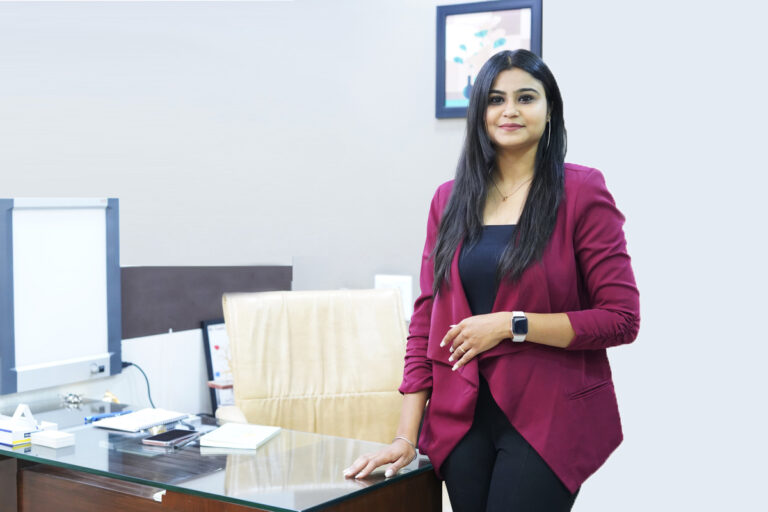
Dietician Nandini Sikka at CatcHealth works closely with clients dealing with hypertension, high cholesterol, and related lifestyle conditions to design practical, sustainable eating plans. Rather than suggesting restrictive or one-size-fits-all diets, the approach focuses on gradual, realistic changes — the kind you can actually stick to — combined with regular monitoring and guidance. Whether you’re newly diagnosed or have been managing high blood pressure for years, having an expert to guide your food choices can meaningfully support both your medication and your overall wellbeing.
Frequently Asked Questions
1. What are the earliest High Blood Pressure ke Lakshan I should watch for?
Mild headaches, dizziness, and unusual fatigue are often among the earliest signs. However, hypertension can also stay completely silent, so regular monitoring is the most reliable way to catch it early.
2. Can high blood pressure be controlled without tablets?
In early or borderline cases, doctors may recommend lifestyle changes such as diet, exercise, and stress management before starting medication. In more advanced cases, tablets combined with these habits usually give the best results.
3. Is high blood pressure completely curable?
Hypertension is generally a manageable, long-term condition rather than one that is ‘cured’ overnight. With the right combination of diet, activity, medication (if prescribed), and regular check-ups, most people keep it well under control.
4. How often should I check my blood pressure at home?
If you’ve been diagnosed with hypertension, checking it a few times a week — or as advised by your doctor — is a good practice. Even if you’re healthy, an occasional check, especially after 30, is recommended.
5. How can a dietitian help with high blood pressure?
A qualified dietitian, like Dietician Nandini Sikka at CatcHealth, can create a personalised, sodium-conscious meal plan that fits your lifestyle, helping you manage blood pressure alongside any prescribed treatment.
Final Thoughts
Recognising High Blood Pressure ke Lakshan early, understanding what triggers it, and making small but consistent lifestyle changes can go a long way in protecting your heart and overall health. If you’re looking for personalised guidance, the team at CatcHealth, including Dietician Nandini Sikka, is here to support you with practical, sustainable diet plans tailored to your needs.