

You notice it first in the shower drain. Then on your pillow, your comb, and the bathroom floor. Your parting looks a little wider than it did last year, and your ponytail feels thinner in your hand. If you live with PCOS, this moment is frustrating, confusing and, for many women, quietly heartbreaking.
Here is the reassuring part: hair thinning linked to PCOS is common, it has clear causes, and it can be managed. The right PCOS hair loss treatment does not start with an expensive serum. It starts with understanding what is happening inside your body, especially your hormones, insulin and nutrition.
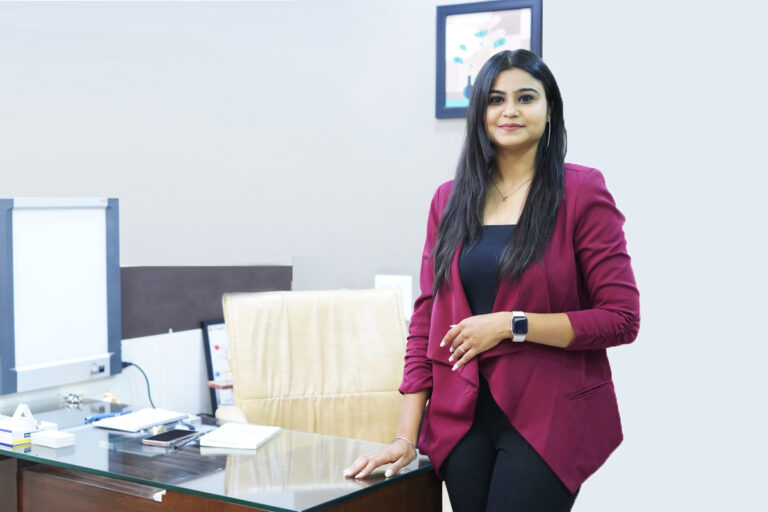
The team at CatcHealth explains why PCOS affects your hair, which medical and nutrition-based options actually help, and what realistic regrowth looks like. It draws on the everyday clinical experience of Dt. Nandini Sikka, who works closely with women managing PCOS and PCOD through food, lifestyle and steady habit change.
Can PCOS Cause Hair Loss? The Hormone Story Behind Every Strand
Yes. If you have ever wondered can PCOS cause hair loss, the short answer is that it can, and it is one of the more common but least discussed symptoms of the condition. Polycystic ovary syndrome affects roughly 1 in 10 women of reproductive age worldwide, and hair thinning on the scalp shows up in a noticeable share of them.
So does PCOS cause hair loss directly? Not exactly. PCOS sets off a chain of hormonal changes, and those changes affect your hair follicles. Understanding the chain is the first step towards breaking it.
1. Excess androgens shrink hair follicles
Women with PCOS often produce higher levels of androgens, the so-called “male” hormones such as testosterone. An enzyme called 5-alpha reductase converts testosterone into dihydrotestosterone (DHT). In genetically sensitive scalp follicles, DHT gradually shrinks the follicle. Each new hair grows back finer, shorter and lighter until some follicles stop producing visible hair. Doctors call this female pattern hair loss or androgenetic alopecia.
The same hormones explain why many women notice extra hair on the chin or upper lip while the scalp thins. It feels contradictory, but it is the same androgen signal acting differently on different follicles.
2. Insulin resistance fuels the androgens
A large proportion of women with PCOS have insulin resistance, whether or not they are overweight. High insulin pushes the ovaries to make more testosterone. It also lowers SHBG (sex hormone binding globulin), the protein that normally keeps testosterone “locked up”. Less SHBG means more free, active androgen reaching your scalp.
3. Nutrient gaps and stress add fuel
Irregular or heavy periods, crash dieting and poor absorption can lower iron stores, vitamin D and protein intake. Physical or emotional stress can also push many hairs into the resting phase at once, causing sudden diffuse shedding called telogen effluvium. Thyroid problems, which occur more often alongside PCOS, can add to the picture.
In practice, hair loss due to PCOD or PCOS is rarely caused by one factor alone. That is why effective treatment works on several fronts at the same time. For a deeper look at the root causes, read our detailed guide on PCOS and hair loss.
Is It PCOS Hair Fall or Something Else? Spot the Signs Early
Not every shedding phase is hormonal. Losing around 50 to 100 strands a day is normal. PCOS hair fall tends to look different: it develops slowly, and it changes how dense your hair looks rather than leaving bald patches.
Common signs that point towards PCOS-related thinning:
- A parting that keeps getting wider, especially at the top of the head
- Thinning at the crown while the front hairline stays mostly intact
- New hairs that grow back finer, shorter or lighter
- A smaller ponytail, with more scalp visible under bright light
- Other PCOS signs alongside: irregular periods, acne, chin or upper-lip hair, weight gain around the waist, or dark velvety skin patches on the neck
The table below compares the main patterns doctors look for.
| Type of hair loss | How it looks | Usual trigger | Link to PCOS |
|---|---|---|---|
| Female pattern hair loss (androgenetic alopecia) | Gradual thinning at crown and parting, finer strands | Androgens (DHT) and genetic sensitivity | Strong; the classic PCOS pattern |
| Telogen effluvium | Sudden diffuse shedding all over the scalp | Stress, illness, crash diets, rapid weight loss | Common; often overlaps with PCOS |
| Iron or nutrient-deficiency shedding | Diffuse thinning, dull and brittle hair | Low ferritin, low protein, low vitamin D | Frequent with heavy periods or restrictive diets |
| Thyroid-related hair loss | Diffuse thinning, dry hair, sometimes thinning outer eyebrows | Hypothyroidism or hyperthyroidism | Thyroid issues are more common in PCOS |
| Alopecia areata | Smooth, round bald patches | Autoimmune reaction | No direct link |
If you see round bald patches, scalp redness, scaling or pain, see a dermatologist promptly, as these point away from PCOS.
Tests worth discussing with your doctor
A proper diagnosis prevents months of guesswork. Your doctor may suggest total and free testosterone, DHEA-S, SHBG, fasting insulin or HbA1c, thyroid profile (TSH), serum ferritin and iron studies, vitamin D and vitamin B12. A pelvic ultrasound may also be part of a PCOS work-up.
PCOS Hair Loss Treatment Options That Actually Work
The most effective PCOS hair loss treatment combines two things: calming the hormonal drivers inside the body and supporting the follicles on the scalp. A dermatologist or gynaecologist will choose options based on your symptoms, blood reports, age and pregnancy plans.
| Treatment | How it helps | Typical time to see results | Important notes |
|---|---|---|---|
| Topical minoxidil (2% or 5%) | Prolongs the growth phase and enlarges shrunken follicles | 4 to 6 months | Early temporary shedding is common; must be used continuously |
| Combined oral contraceptive pills | Raise SHBG and lower free androgens; regulate periods | 6 months or more | Prescription only; not suitable for everyone (e.g. migraine with aura, clotting risk) |
| Spironolactone | Blocks androgen receptors at the follicle | 6 to 12 months | Off-label use; needs reliable contraception and potassium monitoring |
| Metformin | Improves insulin sensitivity, indirectly lowering androgens | 3 to 6 months for metabolic effects | Best for women with insulin resistance; may cause stomach upset at first |
| Finasteride | Reduces conversion of testosterone to DHT | 6 to 12 months | Off-label in women; must not be used during pregnancy or when planning one |
| PRP (platelet-rich plasma) | Growth factors from your own blood stimulate follicles | 3 to 6 sessions over several months | Clinic procedure; works best alongside other treatment |
| Low-level laser therapy | Light energy may boost follicle activity | 4 to 6 months | Home devices vary in quality; supportive, not a stand-alone cure |
A few honest points from clinical practice:
- Consistency beats intensity. Hair grows about 1 cm a month, so most treatments need at least six months before you can judge them fairly.
- Stopping often reverses gains. Minoxidil and anti-androgens work while you use them. Plan for long-term use with your doctor.
- Never self-medicate. Anti-androgens can harm a developing baby, and hormonal pills carry real risks for some women.
- Correct deficiencies first. If ferritin, vitamin D or thyroid levels are off, fixing them can make every other treatment work better.
Eat to Regrow: The PCOS Plate That Feeds Your Follicles
Medicines can lower androgens, but food decides how much insulin your body produces every single day. That is why nutrition is the backbone of any lasting PCOS hair loss treatment plan. Hair is also a “non-essential” tissue for your body, so when protein, iron or calories run short, follicles are among the first to lose supply.
Build every meal around these principles
- Choose low-glycaemic carbs. Swap refined maida, white bread and sugary drinks for millets (jowar, bajra, ragi), oats, brown rice and whole wheat. Slow-release carbs keep insulin steadier.
- Add protein to every meal. Hair is made of keratin, a protein. Include dal, chana, rajma, paneer, curd, eggs, fish, chicken or tofu.
- Load up on fibre. Vegetables, salads and whole grains slow sugar absorption and support healthy gut bacteria.
- Include healthy fats. Walnuts, flaxseeds, chia seeds and fatty fish supply omega-3s that help calm inflammation.
- Avoid crash diets. Very low-calorie diets often trigger fresh shedding two to three months later.
| Nutrient | Why your hair needs it | Easy food sources |
|---|---|---|
| Protein | Building block of keratin | Dal, paneer, curd, eggs, soya, chicken, fish |
| Iron | Carries oxygen to follicles; low ferritin is linked to shedding | Spinach, lentils, chana, rajma, eggs, lean meat (pair with vitamin C) |
| Zinc | Supports follicle repair and growth | Pumpkin seeds, cashews, chickpeas, whole grains |
| Vitamin D | Involved in the hair growth cycle | Morning sunlight, eggs, fortified milk, fatty fish |
| Omega-3 fats | Help reduce inflammation | Flaxseeds, walnuts, chia seeds, salmon |
| B vitamins (incl. biotin, B12) | Support cell growth and energy | Eggs, dairy, legumes, whole grains |
| Inositol | May improve insulin sensitivity in PCOS | Citrus fruits, beans, whole grains (supplements only on advice) |
Some women also find spearmint tea helpful. Small studies suggest it may lower free testosterone, though evidence for hair regrowth is still limited.
A quick word on supplements: biotin or “hair gummies” help only if you are actually deficient, and high-dose biotin can distort some blood test results. Testing first is always smarter than guessing.
If you would like a personalised plan, a qualified dietitian for PCOD in East Delhi at CatcHealth can build meals around your reports, food preferences and routine.
How to Stop PCOS Hair Loss: Daily Habits That Make a Real Difference
If you are searching for how to stop PCOS hair loss, the honest answer is that you may not stop it overnight, but you can slow it down sharply and give regrowth the best possible chance. These everyday habits support whatever your doctor prescribes.
- Move your body most days. Aim for about 150 minutes of moderate activity a week. Strength training two or three times a week is especially useful, because muscle tissue improves how your body handles insulin.
- Lose a little weight if advised. For women carrying extra weight, losing even 5 to 10% of body weight can improve insulin levels, cycles and androgen symptoms.
- Protect your sleep. Seven to nine hours of regular sleep helps balance cortisol, appetite hormones and insulin.
- Manage stress deliberately. Yoga, pranayama, walking outdoors or simply ten quiet minutes a day can lower stress-driven shedding.
- Be gentle with your hair. Avoid tight buns and ponytails, frequent heat styling and harsh chemical treatments. Use a wide-tooth comb on wet hair.
- Keep your scalp healthy. Wash regularly with a mild shampoo. Treat dandruff, as scalp inflammation can worsen shedding. A ketoconazole shampoo, used on a doctor’s advice, may help some women.
- Track your progress. Take photos of your parting and crown in the same light once a month. Day-to-day shedding is a poor measure of progress.
Myths that waste your time
- “Oiling every day will regrow hair.” Oil massage can feel good and reduce breakage, but it does not block androgens.
- “Cutting hair short makes it grow thicker.” Trimming improves how ends look; it does not change follicles.
- “PCOS hair loss is permanent.” Early, consistent treatment can stabilise thinning and often restore noticeable density.
Regrowth Reality Check: What to Expect Month by Month
Patience is the hardest part of treating thinning hair. Follicles move through long growth cycles, so visible change takes time. Here is a realistic timeline once a consistent plan is in place.
| Timeframe | What usually happens | What to focus on |
|---|---|---|
| Weeks 1 to 8 | Little visible change; shedding may briefly increase with minoxidil | Stick to the routine; do not panic and stop |
| Months 3 to 4 | Shedding starts to slow; insulin and energy often improve with diet changes | Recheck diet consistency; review blood reports if advised |
| Months 6 to 9 | Fine baby hairs appear along the parting; density slowly improves | Compare monthly photos, not daily strands |
| Months 9 to 12 | Clearer improvement in fullness for many women | Review treatment with your doctor |
| Beyond 12 months | Maintenance phase | Keep the habits and treatments that worked |
Results differ from person to person. Women who start early, while follicles are still active, generally see the best response.
Why a Dietitian-Led Approach Works: PCOS Care at CatcHealth
Many women spend months switching shampoos and serums without addressing the insulin and nutrition issues underneath. At CatcHealth, PCOS care starts from the inside out.
Dt. Nandini Sikka and the CatcHealth team typically help clients with:
- A detailed review of symptoms, cycle history and existing blood reports
- A practical, Indian-food-friendly meal plan that steadies blood sugar without crash dieting
- Correcting protein, iron, vitamin D and other nutrient gaps that affect hair
- Realistic weight and activity goals that fit work, family and cultural food habits
- Regular follow-ups to track energy, cycles, skin and hair over time
- Coordination with your gynaecologist or dermatologist when medical treatment is needed
This kind of structured nutrition support makes medical treatment work better and helps results last. You can visit or contact the CatcHealth clinic to book a consultation.
Frequently Asked Questions
1. Can PCOS hair loss be reversed?
Often, yes, at least partly. When thinning is caught early and the follicles are still alive, a combination of hormone management, nutrition and topical treatment can stabilise shedding and restore visible density over 6 to 12 months.
2. How do I know if my hair loss is due to PCOS?
PCOS-related thinning usually develops slowly at the crown and parting, often alongside irregular periods, acne or facial hair. Blood tests for androgens, insulin, thyroid and iron help your doctor confirm the cause.
3. What is the best PCOS hair loss treatment?
There is no single best option for everyone. Most women do well with a plan that combines a low-glycaemic diet, correction of deficiencies, topical minoxidil and, where suitable, hormonal or anti-androgen medicine prescribed by a doctor.
4. Is hair loss due to PCOD different from PCOS hair loss?
In everyday use in India, PCOD and PCOS are often used interchangeably. The mechanism behind the hair thinning, mainly androgens and insulin resistance, is the same, and so is the approach to treatment.
5. Can diet alone stop PCOS hair fall?
Diet is powerful because it lowers insulin, which in turn lowers androgens. For mild cases, it can make a clear difference. Moderate or long-standing thinning usually needs medical treatment as well.
6. Does weight loss help with PCOS hair thinning?
For women who are overweight, losing 5 to 10% of body weight can improve insulin sensitivity and hormone balance. Weight should be lost gradually, because crash dieting can trigger extra shedding.
7. Do hair oils and biotin supplements help?
Oils can reduce breakage and keep the scalp comfortable, but they do not treat the hormonal cause. Biotin helps only if you are deficient, so it is best to test before supplementing.
8. When should I see a doctor about hair loss?
See a doctor if shedding is sudden or heavy, if you notice bald patches, scalp pain or redness, or if hair loss comes with irregular periods, acne or unexplained weight changes.
Conclusion: Your Hair Can Recover When Your Hormones Do
PCOS-related hair thinning is not a cosmetic vanity issue. It is a visible signal of what is happening with your hormones and metabolism. Treat the root causes, and your hair, energy, skin and cycles often improve together.
The most successful PCOS hair loss treatment blends medical care with steady nutrition and lifestyle change, plus a good dose of patience. Start early, get tested, stay consistent, and measure progress in months rather than days.
If you would like expert guidance, connect with Dt. Nandini Sikka at CatcHealth for a personalised PCOS nutrition plan built around your body, your reports and your daily life.