


Introduction
Building immunity matters more now than ever before. Indian superfoods used in Ayurveda for centuries provide simple natural ways to make the body stronger against illnesses. Dietician Nandini Sikka, a well-known expert in nutritional advice and lifestyle management based in Delhi, suggests adding these nutrient-packed foods to your meals to improve immunity and feel healthier overall.
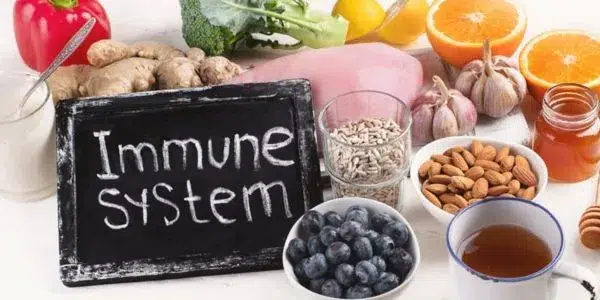
Expert Recommendations from a Lifestyle Management Dietician in Delhi
Working with a Lifestyle Management Dietician in Delhi allows you to design a tailor-made diet plan to strengthen immunity. Nutrition professionals with years of experience in East Delhi and nearby areas point out that immunity grows with regular eating habits, not instant fixes. Across India traditional diets offer unique advantages, as every region is home to local superfoods that support health. These foods are a part of our cultural heritage and serve as a storehouse of nutritious elements.
7 Powerful Indian Superfoods for Immunity Enhancement
1. Amla (Indian Gooseberry)
Amla is one of the richest sources of Vitamin C found in nature. It packs 20 times more Vitamin C compared to oranges. This Indian superfood is loaded with strong antioxidants that help fight free radicals while supporting the immune system. Eating amla can aid digestion, improve skin, and strengthen the body’s natural defenses.
Nutrition experts from East Delhi call amla a “true nutritional powerhouse.” They recommend it to people who want better immunity during times when weather changes make us more prone to illnesses. Including immune-boosting foods like amla in your meals each day becomes even more important during these periods.
2. Turmeric (Haldi)
Turmeric has curcumin, a compound known for its strong anti-inflammatory and antioxidant actions. People in India have relied on this golden spice in their cooking and Ayurvedic remedies for thousands of years. It supports the immune system by helping the body defend itself against harmful invaders and heal from harm.
A vitamin expert can figure out which nutrients you need to strengthen your immunity, with turmeric often being a top suggestion. It can fight different pathogens due to its antimicrobial benefits. Its ability to control chronic inflammation also plays a role in boosting immunity, as inflammation weakens the body’s defenses.
3. Tulsi (Holy Basil)
Indian culture holds tulsi in high esteem seeing it as both important and a natural remedy. Packed with Vitamin C zinc, and many vital nutrients, tulsi boosts the immune system and helps the body defend against bacteria, viruses, and fungi.
Nutritionists suggest tulsi tea as an easy way to add this plant to your daily life. They say it works best during the monsoon and winter seasons when coughs and colds are common. A vitamin nutritionist also highlights how tulsi supports immunity with its natural antioxidants. Ayurveda picks foods like tulsi by their doshas to balance energy in the body, which makes it a good fit for most people.
4. Moringa (Drumstick)
People often refer to moringa as the “miracle tree” because it is full of more than 90 nutrients and 46 antioxidants. This powerful plant holds seven times the vitamin C found in oranges and four times the vitamin A in carrots. Its leaves, seeds, and pods offer great nutritional value.
It has a strong influence on the immune system thanks to its vitamins A, C, and E as well as minerals like zinc and iron. Indian superfoods each bring their own set of health benefits, but moringa is special due to its rich nutrients and how it fits into different recipes.
5. Ghee (Clarified Butter)
Many people believe traditional ghee lacks nutrition, but it’s packed with benefits when made from grass-fed cow’s milk. It has butyric acid, which plays a role in gut health and strengthens immunity. Ghee also helps the body absorb vitamins that dissolve in fat and offers fatty acids important for immune defense.
Choosing the right foods while pregnant is key to supporting both moms and their babies. Ghee is often suggested to meet these needs. It gives the baby crucial nutrients to grow and boosts the mother’s immune system during this sensitive time.
6. Ragi (Finger Millet)
Ragi, an ancient grain, packs a lot of nutrients like calcium, iron, fiber, and amino acids. It supports bone health, helps stop anemia, and keeps blood sugar levels steady. Its antioxidants can also give a big boost to immunity.
Nutrition experts say, “Ragi is helpful to support growing kids, pregnant women, and older people. Its calcium levels are higher than many other grains, and its complex carbs offer long-lasting energy.” Traditional Indian superfoods often include millets, and ragi stands out as one of the most nutrient-rich choices.
7. Cinnamon (Dalchini)
This spice doesn’t just make food taste better—it brings much more to the table. Cinnamon has strong antioxidants like polyphenols and also fights inflammation to support the immune system. Many people turn to cinnamon to shed extra pounds while improving immunity giving it a bonus role as a versatile superfood.
Cinnamon plays a role in controlling blood sugar levels and makes the body more responsive to insulin. This is important for staying healthy and keeping immunity strong. To stay healthy in the long run, natural boosters like cinnamon are a better choice than artificial supplements. Many experts also recommend using cinnamon to lose weight, as it supports metabolism and is one of the easiest ingredients to find in Indian kitchens.
Essential Indian Superfoods to Eat During Pregnancy
“Pregnancy calls for careful attention to nutrition, and traditional Indian superfoods can help during this important phase. When choosing foods to eat during pregnancy, women should focus on nutrient-rich options that support the baby’s growth and keep both the mother’s and baby’s immune systems strong.
Moringa stands out during pregnancy because it has a lot of iron, calcium, and folate. These nutrients are important to help the baby’s growth and to stop the mother from becoming anemic. In the same way, ragi helps with bone strength by providing calcium, and ghee gives the fats needed for the baby’s brain to develop.
Nutrition experts often tell pregnant women to include these superfoods in their meals. They say these not promote the baby’s growth but also improve the mother’s immune health, which can weaken during pregnancy.
Using Cinnamon to Lose Weight While Boosting Immunity
Cinnamon is now well-known not as something that helps boost immunity but also as a tool to manage weight. Studies show that using cinnamon to shed weight helps because it boosts metabolism and lowers insulin resistance. This helps the body handle sugars better.

Stirring half a teaspoon of cinnamon into your morning coffee or tea can balance blood sugar levels, cut down cravings, and aid in weight loss. In a world where staying healthy and managing weight are key goals, cinnamon stands out as quite useful.
The Power of Indian Superfood in Daily Diet
Adding these superfoods to what you eat every day is easier than you might think. You could spread a spoon of ghee on your roti, toss some cinnamon into your tea, or mix a bit of sprouted ragi into your morning meal to boost your diet with more nutrients.
Nutrition experts highlight consistency as the most important factor. They say that eating small amounts of these superfoods benefits your overall health and strengthens your immunity more than eating large amounts sometimes.
Nutritional Comparison of Top Indian Superfoods
| Superfood | Key Nutrients | Immunity Benefits | Best Consumption Method |
| Amla | Vitamin C, Antioxidants | Strengthens immune response, Fights infections | Fresh, Juice, Powder |
| Turmeric | Curcumin, Antioxidants | Anti-inflammatory, Antimicrobial | With black pepper and fat for better absorption |
| Tulsi | Vitamin C, Zinc, Adaptogens | Fights respiratory infections, Reduces stress | Tea, Fresh leaves |
| Moringa | Vitamins A, C, E, Iron, Zinc | Boosts antibody production, Antioxidant protection | Powder, Cooked leaves and pods |
| Ghee | Butyric acid, Fat-soluble vitamins | Supports gut health, Enhances nutrient absorption | 1-2 teaspoons daily with meals |
| Ragi | Calcium, Iron, Fiber | Supports overall immunity through better nutrition | Porridge, Rotis, Sprouted |
| Cinnamon | Polyphenols, Essential oils | Anti-inflammatory, Blood sugar regulation | ½ teaspoon daily in beverages or meals |
Case Study: Immunity Transformation with Indian Superfoods
Priya, a 34-year-old professional from East Delhi, faced frequent infections and felt drained of energy most of the time. She met a nutritionist who suggested adding Indian superfoods to her daily meals.
“I began with simple tweaks like drinking amla juice every morning, switching my usual tea to tulsi tea, and having turmeric milk at night,” Priya explains. “After three months, I could feel a big change. My seasonal allergies became far less frequent, and I haven’t caught a cold in over half a year even when people around me got sick.”
The nutritionist created a well-rounded plan that worked all seven superfoods into Priya’s meals across the week in different ways. The plan wasn’t about including these foods but also building an overall nutrition guide to boost her immunity and tackle her specific health issues.
“What helped Priya most was using these superfoods and in the right combinations,” says the nutritionist. “It’s not about eating a lot of them but about adding them to your diet.”
Common Questions
How soon will I notice immunity benefits from these superfoods?
Some benefits like better digestion can show up in just a few days, but boosting your immune system needs 3 to 4 weeks of regular consumption. Keep in mind that building immunity takes time. It doesn’t happen overnight.
Are these superfoods okay for kids?
Yes, most of them work well and are safe for kids if given in smaller amounts. Foods like ragi, ghee, and amla can help growing children. It’s always a good idea to add new foods and check with a pediatrician if your child has any health issues.
How can I incorporate these superfoods if I don’t cook Indian cuisine regularly?
These superfoods can be added to any cuisine. Turmeric and cinnamon can be added to smoothies, moringa powder can be sprinkled on salads, and ghee can replace butter in most recipes. The key is finding creative ways to include them in your existing diet.
Are these superfoods safe for people with diabetes?
Many of these superfoods, particularly cinnamon, turmeric, and ragi, are beneficial for managing blood sugar levels. However, portion control is important, especially with ragi and ghee. Consulting with a Lifestyle Management Dietician in Delhi who specializes in diabetes can provide personalized guidance.
Conclusion
The ancient wisdom of Indian nutrition offers powerful solutions for modern immunity challenges. By incorporating these seven superfoods into your daily diet, you can strengthen your body’s natural defenses while enjoying the diverse flavors of traditional Indian ingredients.
For personalized nutrition advice and immunity-boosting diet plans tailored to your specific needs, consider consulting with a qualified nutrition expert in East Delhi. With professional guidance, you can harness the full potential of these superfoods to transform your health and wellbeing.