

Heart-Healthy Eating for BP and Cholesterol
High BP or a worrying lipid report? Food is one of the most powerful tools you have. As a dietitian for blood pressure in East Delhi, Dt. Nandini Sikka plans low-salt, heart-healthy Indian meals that work alongside your doctor’s treatment, without bland food or giving up family meals.
- 7+ years in clinical nutrition
- Plans built on your reports
- Clinics in East Delhi and Vasundhara
Blood pressure and cholesterol: what they are and how they differ
Blood pressure and cholesterol are two different measurements, but they often go together. Both raise the risk of heart attack and stroke, both usually cause no symptoms, and both respond to many of the same food and lifestyle changes.
Blood pressure (BP)
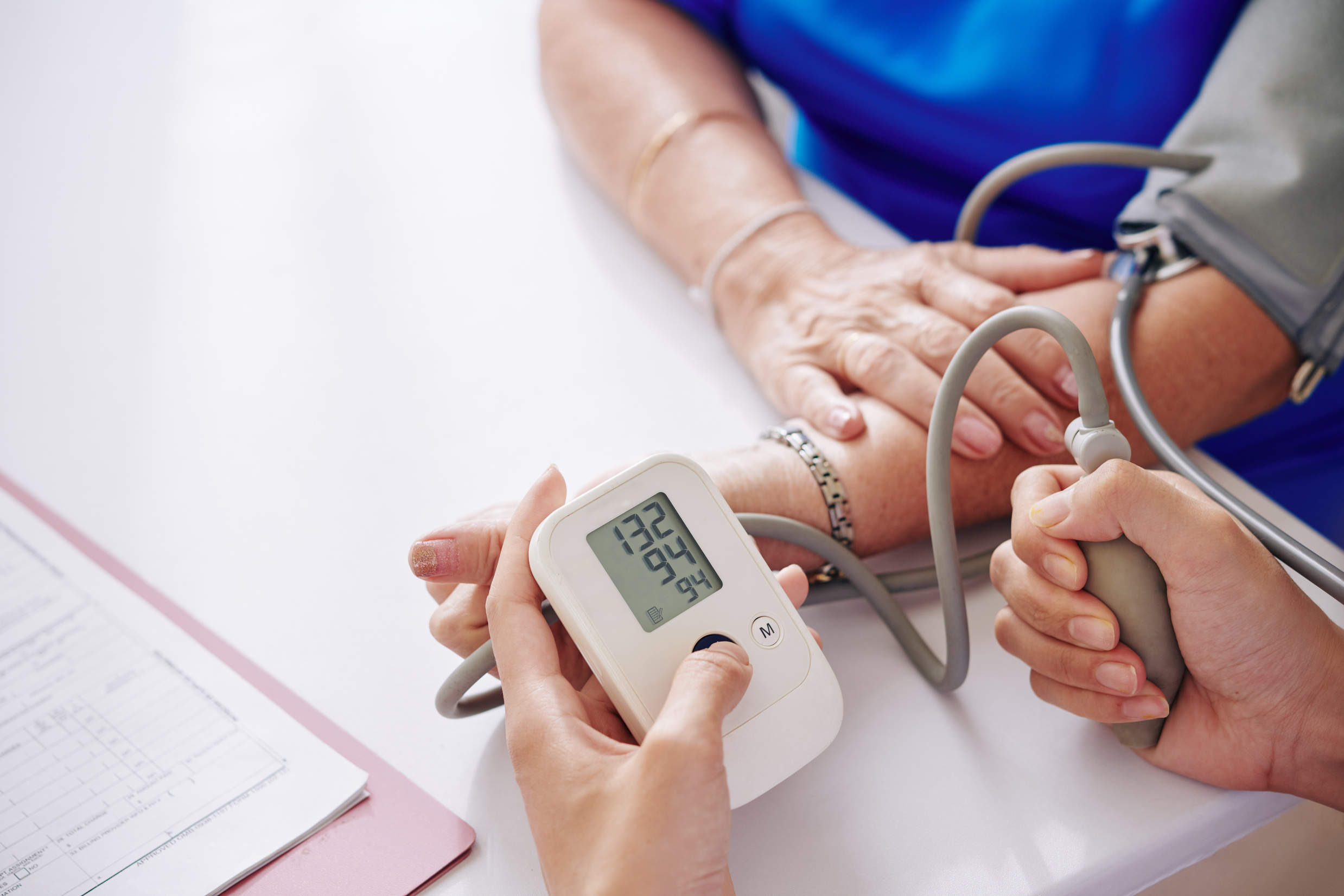
Blood pressure is the force of blood pushing against your artery walls, written as two numbers, such as 120/80 mmHg. High blood pressure (hypertension) is generally diagnosed at 140/90 mmHg or higher on readings taken on two different days. Most people with high blood pressure have no symptoms, which is why regular checks matter. Very high readings can cause severe headache, chest pain, dizziness or vision changes and need urgent care.
| Reading | What it usually means |
|---|---|
| Below 90/60 mmHg | Low blood pressure (often normal for some people; check with a doctor if you have dizziness or fainting) |
| Around 90/60 to 120/80 mmHg | Generally considered healthy for most adults |
| 140/90 mmHg or higher | High blood pressure if confirmed on two different days |
Your doctor interprets your readings in the context of your age and health. Low blood pressure treatment in East Delhi, as anywhere, depends on the cause and is decided by your doctor; diet can help, for example by planning fluids and meal patterns where advised.
Cholesterol
Cholesterol is a fatty substance your body needs to build cells. It travels in the blood in two main forms. LDL, often called bad cholesterol, can build up in artery walls. HDL, often called good cholesterol, helps carry cholesterol away. A lipid profile blood test measures total cholesterol, LDL, HDL and triglycerides. High cholesterol usually has no symptoms, so the only way to know your cholesterol levels is a blood test.
Why quick fixes don’t work (and what does)
Garlic capsules, “BP teas” and one-week detoxes are popular, but long-term results come from steady changes.
1. Hidden salt is the main problem
Most salt in Indian diets comes from pickles, papad, namkeen, sauces, packaged foods and restaurant meals, not just the salt shaker. The WHO advises adults to eat less than 5 g of salt a day, about one teaspoon, in total.
2. Fats matter more than “oil-free”
Cutting all fat is hard to sustain. Replacing saturated and trans fats (vanaspati, deep-fried snacks, bakery items) with small amounts of healthier oils, nuts and seeds is more useful.
3. Weight, activity and alcohol add up
Losing excess weight, moving most days and limiting alcohol all help lower BP and improve cholesterol, alongside diet and medicines.
How our BP and cholesterol diet plan works
- Report review — We look at your BP readings, lipid profile, sugar, kidney function, medicines and lifestyle.
- Find the drivers — We identify your main sources of salt, saturated fat, sugar and alcohol.
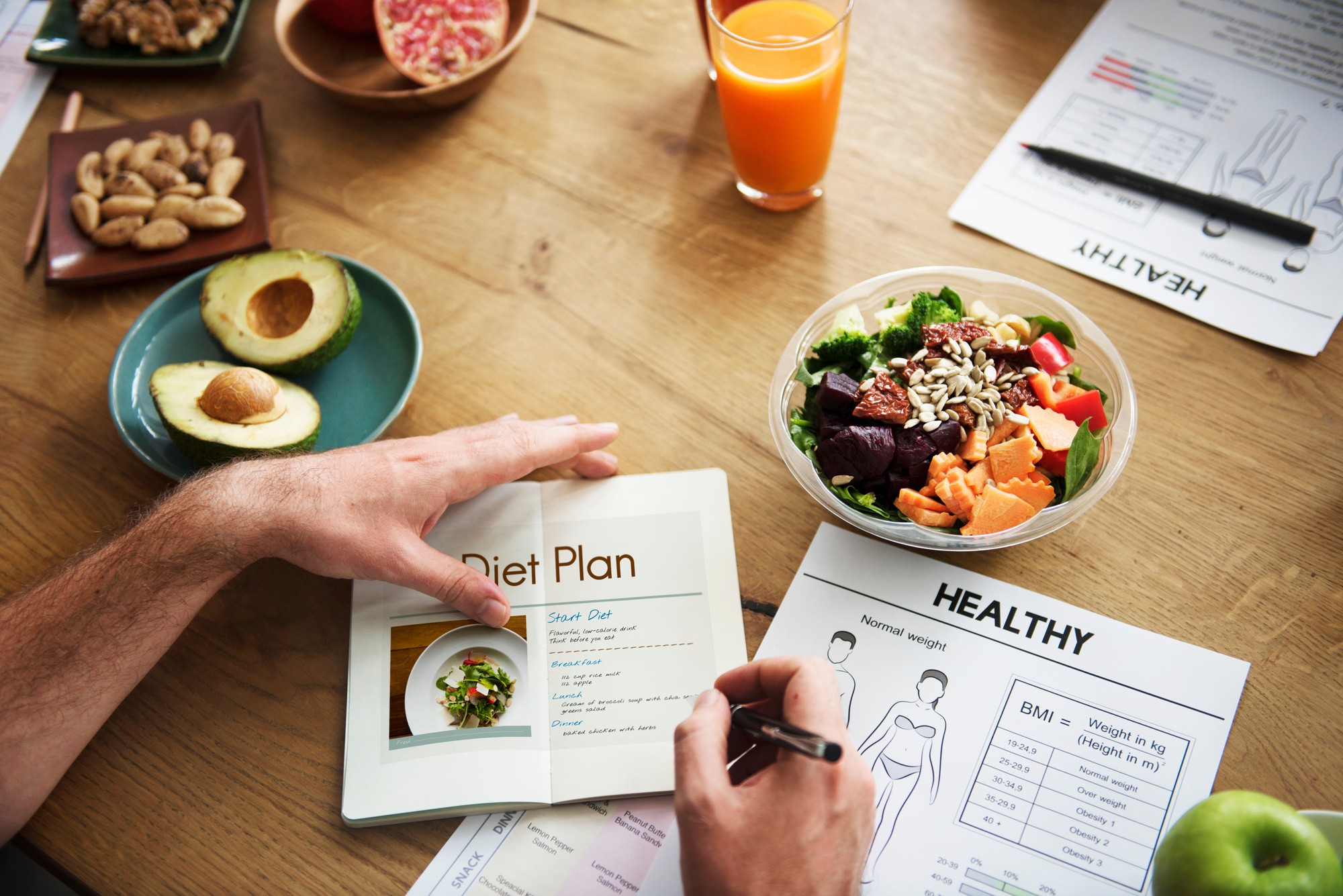
- Heart-healthy plan — You get a DASH-style Indian plan: more vegetables, fruits, whole grains, dals and low-fat dairy, less salt and fried food.
- Follow-ups — We review your home BP log and repeat reports from your doctor, and adjust.
Key benefits of a personalised heart-healthy diet
- Practical salt reduction: Step-by-step swaps your family will accept.
- Support for cholesterol: More fibre from oats, dals, fruits and vegetables, and fewer saturated and trans fats, can help improve LDL, alongside any medicine your doctor prescribes.
- Healthy weight: Gradual weight loss where needed supports both BP and cholesterol.
- Works with your medicines: Advice takes your tablets into account, for example potassium intake if you take certain BP medicines or have kidney problems.
- Family-friendly meals: Heart-healthy food for the whole household.
Common mistakes to avoid
Switching to “rock salt” or “pink salt” and using the same amount
These still contain sodium. The total amount of salt matters, whatever the type.
Stopping medicines once readings improve
Better readings often mean the treatment is working. Never stop or change BP or cholesterol medicines without your doctor’s advice.
Loading blogs…
Conclusion
High blood pressure and high cholesterol rarely cause symptoms, but they matter for your heart and brain. With your doctor’s care and a heart-healthy Indian diet built around your reports, many people improve their numbers and feel more in control. If you are looking for a dietitian for blood pressure in East Delhi, Dt. Nandini Sikka can build that plan with you.
Book your consultation at our East Delhi or Vasundhara clinic, or online.
This plan is right for you if…
High BP readings
You have been diagnosed with high BP or have borderline readings.
High cholesterol on reports
Your lipid profile shows high LDL or triglycerides, or low HDL.
Family history of heart disease
You want to lower your risk early.
Low BP with symptoms
Your doctor has assessed you and you want diet guidance.
What’s included in your plan
- One-on-one heart-health consultation
- Personalised low-salt Indian meal plan
- [Weekly] progress check and plan update
- Review of your BP log and lipid reports
- Label reading and hidden salt guide
- Eating-out and festival guidance
Your journey in 4 simple steps
Book your consultation
Share your readings, reports and routine.
Share your reports
Send your lipid profile and BP log. No recent tests? Your doctor or a lab can do them; we will tell you what to ask for.
Get your plan
Receive a heart-healthy plan made for your kitchen.
Track and adjust
Follow-ups review your readings and repeat reports.
What a day on the plan can look like
| Time | Meal | Example (vegetarian) |
|---|---|---|
| 7:00 AM | Early morning | Warm water and a handful of unsalted nuts |
| 9:00 AM | Breakfast | Oats or vegetable daliya with low-fat milk |
| 1:30 PM | Lunch | Roti, dal, sabzi cooked with little salt, salad with lemon, curd |
| 5:00 PM | Evening snack | Fruit (banana, guava or orange) or roasted chana (unsalted) |
| 8:00 PM | Dinner | Moong dal, vegetables, 1–2 rotis; no papad or pickle |
Book your [free] consultation
We’ll call you back within 24 hours
By submitting, you agree to be contacted about your enquiry. See our Privacy Policy.
Clinical Dietitian · 7+ years
Choose the plan that suits you
Every plan is fully personalised. BP and cholesterol improve over months, so longer plans allow review against repeat reports.
1 Month
- [4 follow-ups]
- Heart-healthy meal plan and salt guide
- WhatsApp support
3 Months
- [12 follow-ups]
- Heart-healthy meal plan and salt guide
- Recipes and travel guidance
- WhatsApp support
6 Months
- [24 follow-ups]
- Heart-healthy meal plan and salt guide
- Maintenance guidance
- Priority WhatsApp support
Real people, real results
“[Google review text, 2–3 lines]”
[Client name]
[Area]
“[Google review text, 2–3 lines]”
[Client name]
[Area]
“[Google review text, 2–3 lines]”
[Client name]
[Area]
Content Medically Approved by
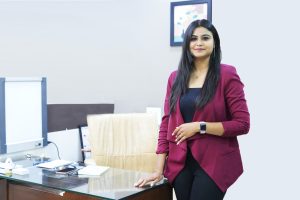
Dt. Nandini Sikka
Welcome to the world of Dt. Nandini Sikka, a highly experienced and dedicated nutritionist who has transformed the lives of thousands of clients. With 7 years of expertise in the field, Nandini is here to guide you on your journey towards better health and wellness.
Frequently asked questions
How can I reduce cholesterol with diet?
Eat more soluble fibre (oats, dals, legumes, fruits, vegetables), choose whole grains, limit saturated and trans fats (ghee and butter in large amounts, vanaspati, fried and bakery foods), stay active and keep a healthy weight. Some people also need medicines, which your doctor decides.
Where can I get a high cholesterol check-up in East Delhi?
A lipid profile is a simple blood test done at a diagnostic lab or through your doctor. Catchealth does not run tests, but we review your results and plan your diet around them.
Does high blood pressure have symptoms?
Usually not, which is why it is called a silent condition. Very high readings can cause severe headache, chest pain, breathlessness, dizziness or vision changes; seek urgent care if this happens.
What is a low BP range, and how is it treated?
Readings below 90/60 mmHg are usually considered low. Many people with low readings feel well and need no treatment. If you have dizziness or fainting, see a doctor to find the cause; diet advice can then support their plan.
Can diet help me stop my BP medicines?
Diet and lifestyle changes can lower BP, and your doctor may review your dose based on your readings. Never stop or change medicines on your own.
Other services you may need
Ready for a heart-healthy plan? Book your consultation today.
Share your readings and reports, and get a plan that supports your treatment.