

Dietitian for PCOD in East Delhi — a Diet Plan That Works With Your Hormones and Routine
A personalised PCOD diet plan from Dt. Nandini Sikka, built around your reports, your cycle concerns and the food cooked at home. As a PCOD diet consultant in East Delhi, she works alongside your gynaecologist’s treatment to help with weight, energy, cravings and long-term health. No crash diets and no unproven supplements.
- 7+ years in clinical nutrition
- Plans built on your reports
- Clinics in East Delhi and Vasundhara

What is the PCOD problem in females?
PCOD (polycystic ovarian disease), also called PCOS (polycystic ovary syndrome), is a common hormonal condition in women of reproductive age. The WHO estimates it affects 10–13% of women in this age group, and up to 70% do not know they have it. It can cause irregular or missed periods, acne, excess facial or body hair, hair thinning, weight gain and difficulty conceiving. Symptoms differ from woman to woman.
A doctor diagnoses PCOD when at least two of three features are present after other causes are ruled out: irregular or absent periods, signs of high androgens (male-type hormones), or polycystic ovaries on ultrasound. Many women with PCOD also have insulin resistance, which raises the risk of type 2 diabetes, high cholesterol and high blood pressure later in life.
PCOD problem treatment in East Delhi, as anywhere, starts with your gynaecologist or endocrinologist, who may prescribe medicines for periods, skin, hair or fertility. A PCOD diet plan in East Delhi works alongside that treatment. Food and activity can improve insulin sensitivity, help with weight, and support more regular cycles in many women. Healthy eating helps even when weight does not change.
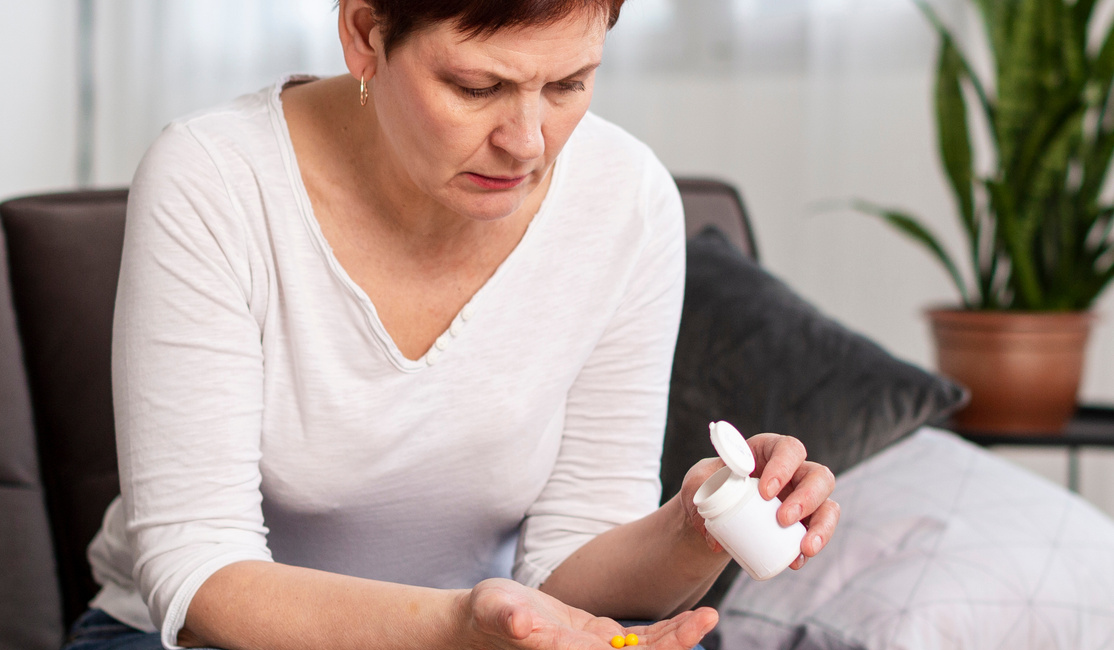
Balanced, fibre-rich home meals form the base of a PCOD diet plan.
Why generic PCOD diets fall short (and what works instead)
Search for how to reduce PCOD and you will find long lists of “banned” foods and miracle seeds. Most women try these, feel deprived, and give up. Here is why that happens.
1. Cutting out whole food groups backfires
Removing all carbs, all dairy or all wheat is hard to sustain and can leave you short of calcium, fibre and energy. There is no strong evidence that every woman with PCOD must avoid dairy or gluten. The quality and amount of carbohydrate matter more than banning foods.
2. PCOD looks different in every woman
Some women with PCOD are lean, some have high androgens, some mainly struggle with periods or fertility. A plan built on your reports (glucose, insulin, thyroid, lipids, vitamin D, B12) fits your type far better than a generic chart.
3. Consistency beats extremes
Regular meals, protein at each meal, daily movement and good sleep do more over months than a strict two-week detox. Small habits are what improve insulin sensitivity over time.
How our PCOD diet plan works
Every PCOD diet plan in East Delhi that we create starts with your reports and your goals, whether that is regular periods, weight, skin or preparing for pregnancy.
- Assessment — We review your diagnosis, medicines, cycle history, recent blood reports, weight, waist and lifestyle.
- Clear goals — We agree on realistic goals with you and, where relevant, keep them in line with your doctor’s plan.
- Personalised meal plan — You get low-GI, high-fibre Indian meals with protein at every meal, built around your family’s cooking.
- Follow-ups — We track weight, waist, energy, cravings and cycle changes, and adjust the plan at each follow-up.
Key benefits of a personalised PCOD diet
The right diet for a PCOD patient in East Delhi is one she can follow for months, not weeks. A personalised plan gives you:
- Better blood sugar control: Balanced, low-GI meals can improve insulin sensitivity, which sits behind many PCOD symptoms.
- Steady, realistic weight change: For women who are overweight, losing even 5% of body weight can improve cycles and metabolic health.
- Fewer cravings and energy dips: Regular meals with protein and fibre help keep hunger and sugar cravings under control.
- Support for long-term health: The same habits lower the future risk of type 2 diabetes, high cholesterol and heart disease linked with PCOD.
- Guidance before pregnancy: If you are planning to conceive, we help you prepare nutritionally, in coordination with your gynaecologist.
Common mistakes to avoid with PCOD
A few habits make PCOD symptoms harder to manage. Two of the most common are easy to change.
Long gaps between meals
Skipping meals often leads to big hunger later and sugary snacking. Eating every 3–4 hours, with protein each time, keeps blood sugar steadier through the day.
Relying on supplements and “PCOD teas”
Many products claim to balance hormones, but most have little evidence. Some supplements, such as inositol or vitamin D, may be prescribed after testing. Always check with your doctor before taking any supplement.
Loading blogs…
Conclusion
PCOD cannot be wished away with a detox or a banned-foods list, but it can be managed. With your doctor’s treatment and a PCOD diet plan that fits your body and your kitchen, many women see steadier cycles, better energy and healthier weight. If you are looking for a PCOD diet consultant in East Delhi, Dt. Nandini Sikka can build that plan with you.
Book your consultation at our East Delhi or Vasundhara clinic, or online.
This plan is right for you if…
Irregular or missed periods
You have been diagnosed with PCOD and want food and lifestyle support alongside treatment.
Weight that won’t shift
You have tried dieting but weight, especially around the waist, keeps returning.
Acne, hair and cravings
You want to understand how food, sugar and sleep may affect your symptoms.
Planning a pregnancy
You want to prepare your body nutritionally, together with your gynaecologist’s advice.
What’s included in your plan
- One-on-one PCOD diet consultation
- Personalised low-GI Indian meal plan
- [Weekly] progress check and plan update
- Review of your blood and hormone reports
- Easy recipes and smart food swaps
- Eating-out, festival and travel guidance
Your journey in 4 simple steps
Book your consultation
Share your symptoms, cycle history, goals and routine.
Share your reports
Send recent tests and any ultrasound report. If tests are due, we suggest which to discuss with your doctor.
Get your plan
Receive a PCOD meal plan made for your kitchen and timings.
Track and adjust
Regular follow-ups track your progress and fine-tune the plan.
What a day on a PCOD plan can look like
| Time | Meal | Example (vegetarian) |
|---|---|---|
| 7:00 AM | Early morning | Warm water with soaked almonds and walnuts |
| 9:00 AM | Breakfast | Vegetable besan chilla with curd, or oats upma with peanuts |
| 1:30 PM | Lunch | Millet or whole wheat roti, dal, seasonal sabzi, salad, curd |
| 5:00 PM | Evening snack | Sprouts chaat or a fruit with a few nuts |
| 8:00 PM | Dinner | Paneer or tofu with sautéed vegetables and 1 roti, or moong dal khichdi with vegetables |
Book your consultation
We’ll call you back within [24 hours].
By submitting, you agree to be contacted about your enquiry. See our Privacy Policy.
Clinical Dietitian · 7+ years
Choose the plan that suits you
Every plan is personalised. PCOD changes take time, so longer plans allow steady progress and regular review.
3 Months
- [12 follow-ups]
- Meal plan
- Recipes and travel guidance
- WhatsApp support
6 Months
- [24 follow-ups]
- Meal plan
- Maintenance guidance
- Priority WhatsApp support
Real people, real results
“[Google review text, 2–3 lines]”
[Client name]
[Area]
“[Google review text, 2–3 lines]”
[Client name]
[Area]
“[Google review text, 2–3 lines]”
[Client name]
[Area]
Individual results vary. Diet supports, but does not replace, medical treatment for PCOD.

Content Medically Approved by
Dt. Nandini Sikka
Welcome to the world of Dt. Nandini Sikka, a highly experienced and dedicated nutritionist who has transformed the lives of thousands of clients. With 7 years of expertise in the field, Nandini is here to guide you on your journey towards better health and wellness.
Frequently asked questions
Can PCOD be cured permanently?
There is currently no permanent cure for PCOD, and any page promising one is misleading. PCOD can be managed well. Your doctor’s treatment, healthy eating, regular activity and good sleep can reduce symptoms, support regular cycles and lower long-term health risks. Many women feel much better with the right routine.
How can I reduce PCOD symptoms with diet?
Focus on regular meals, protein at every meal, high-fibre and low-GI carbohydrates, fewer sugary and refined foods, and daily movement. If you are overweight, losing around 5% of your body weight can help. A dietitian can tailor this to your reports.
Do I need to stop dairy, wheat or rice?
Not necessarily. There is no strong evidence that all women with PCOD should avoid dairy or gluten. Portion size and food choices matter more. If you have a specific intolerance or a doctor’s advice, your plan will reflect it.
Should I take supplements for PCOD?
Only if your doctor recommends them after testing. Some women may need vitamin D, B12 or other supplements. Many “hormone balance” products lack evidence. Tell your doctor and dietitian about anything you already take.
Can I consult online?
Yes. You can visit our East Delhi clinic at Jagriti Enclave or our clinic in Sector 13, Vasundhara, or consult online from anywhere in India by video call, phone or WhatsApp.
This page is for general information. See a gynaecologist for diagnosis and treatment of PCOD, and seek medical advice promptly for very heavy bleeding, no periods for 3 months or more, or rapid hair growth.
Other services you may need
Ready to take charge of PCOD? Book your consultation today.
Tell us your symptoms and goals, and get a plan that fits your body and your routine.