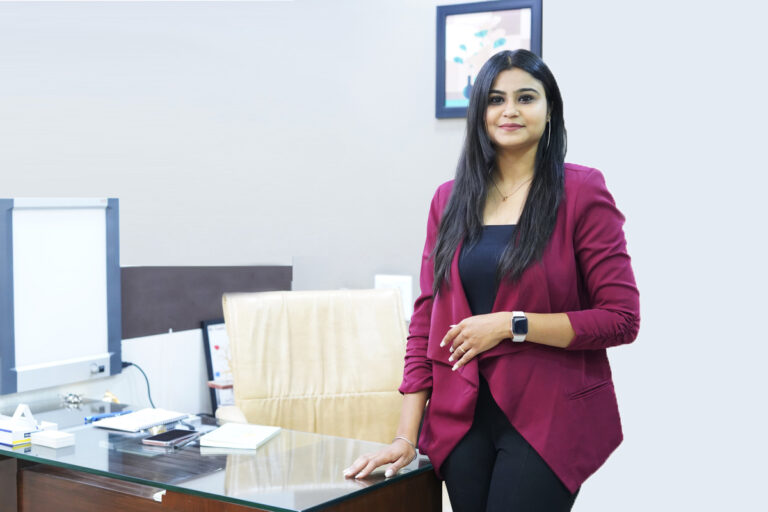



Our busy lifestyles, stressful jobs, and unhealthy eating habits have made blood pressure problems increasingly common across every age group. Whether you are a young professional or a senior citizen, blood pressure kaise kam kare has become one of the most frequently searched health questions today. CatcHealth team shares simple, science-backed, and practical tips that can help you manage your BP naturally and safely.
This guide is based on the clinical experience of Dietician Nandini Sikka and trusted health guidelines, so you get reliable and actionable information without any confusion.
Table of Contents
ToggleWhat Is Blood Pressure? A Quick Overview
Blood pressure is the force with which blood pushes against the walls of your arteries as the heart pumps it around the body. It is measured using two numbers — systolic pressure (when the heart beats) and diastolic pressure (when the heart rests between beats). These numbers determine whether your BP falls in the normal, low, or high range.
The table below will help you understand which category your blood pressure reading falls into:
| BP Category | Systolic (mm Hg) | Diastolic (mm Hg) | What It Means |
| Low BP (Hypotension) | Below 90 | Below 60 | May cause dizziness, fatigue |
| Normal | Less than 120 | Less than 80 | Healthy range |
| Elevated | 120–129 | Less than 80 | Early warning stage |
| High BP – Stage 1 | 130–139 | 80–89 | Lifestyle changes advised |
| High BP – Stage 2 | 140 or higher | 90 or higher | Medical consultation needed |
| Hypertensive Crisis | Higher than 180 | Higher than 120 | Seek emergency care |
High Blood Pressure Ke Lakshan – Warning Signs You Shouldn’t Ignore
One of the biggest challenges with hypertension is that it is often called a silent killer because early symptoms are very mild. Recognising the high blood pressure ke lakshan in time is essential to avoid serious complications later.
Common signs of high blood pressure include:
- Frequent headaches, especially in the morning
- Dizziness or a light-headed feeling
- Shortness of breath or difficulty breathing
- Chest tightness or discomfort
- Occasional nosebleeds
- Fatigue and trouble sleeping
- Blurred vision
If you notice these signs of high blood pressure on a regular basis, it’s important to get your BP checked and consult a doctor or dietitian.
Blood Pressure High Hone Se Kya Hota Hai? Understanding the Real Risks
Many people ask blood pressure high hone se kya hota hai — and the answer is that uncontrolled high blood pressure can gradually damage several major organs in the body. Long-term high blood pressure can lead to:
- Increased risk of heart attack and stroke
- Kidney damage or kidney failure
- Weakening of the blood vessels in the eyes, leading to vision loss
- Enlargement of the heart, raising the risk of heart failure
- Memory and concentration problems
This is why making lifestyle changes early and seeking professional guidance is so important.
Blood Pressure Kaise Kam Kare? 10 Easy And Effective Tips
Now let’s talk about the most important question — blood pressure kaise kam kare? Here are some simple and effective tips you can easily follow in your daily routine:
1. Cut Down On Sodium (Salt)
Eating too much salt causes the body to retain water, which can raise blood pressure. Try to keep your salt intake under 5 grams a day and avoid processed or packaged foods.
2. Add Potassium-Rich Foods
Bananas, spinach, sweet potatoes, and beans are potassium-rich foods that help balance out the effects of sodium and naturally support healthy blood pressure.
3. Exercise Regularly
Just 30 minutes of daily walking, yoga, or light cardio keeps the heart healthy and naturally helps lower blood pressure.
4. Manage Your Weight
Carrying extra weight puts additional strain on the heart. Even a 5–10% weight loss has been shown to noticeably improve blood pressure readings.
5. Manage Stress Levels
Meditation, deep-breathing exercises, and adequate sleep help lower stress hormones, which are a major contributor to rising blood pressure.
6. Limit Alcohol And Smoking
Both alcohol and cigarettes narrow the blood vessels, which raises BP. Limiting or avoiding them is one of the best things you can do for your heart health.
7. Monitor Your Caffeine Intake
Too much coffee or caffeinated drinks can temporarily spike blood pressure. Keeping your intake moderate is a better approach.
8. Get Proper Sleep
Not getting 7–8 hours of quality sleep can disturb your blood pressure levels. Maintaining a fixed sleep schedule is very important.
9. Stay Hydrated
Drinking too little water can also cause blood pressure to fluctuate. Aim for 8–10 glasses of water a day to support healthy circulation.
10. Follow A Balanced, Personalised Diet
The most effective approach is following a personalized diet plan designed around your body’s specific needs. This is why consulting an expert like Dietician Nandini Sikka is highly recommended, so you get the right diet and lifestyle plan that actually delivers results.
Low Blood Pressure: Reasons And Solutions
High BP isn’t the only concern — low blood pressure can also be a serious health issue, especially if it causes frequent dizziness or fainting.
Reasons For Low Blood Pressure
Reasons for low blood pressure commonly include:
- Dehydration
- Nutrient deficiencies, especially of Vitamin B12 and folate
- Prolonged bed rest or a sudden change in posture
- Heart problems or thyroid issues
- The first 24 weeks of pregnancy
- Side effects of certain medications
How To Cure Low Blood Pressure Naturally
Understanding how to cure low blood pressure is just as important. Here are a few effective tips:
- Drink adequate fluids and electrolytes throughout the day
- Eat smaller, more frequent meals instead of heavy meals
- Slightly increase salt intake (under a doctor’s guidance)
- Avoid standing up suddenly — change posture slowly
- Use compression stockings if recommended by your doctor
High BP Vs Low BP: Key Differences You Should Know
The symptoms of both conditions differ, which is why correctly identifying them is essential for getting the right treatment. High BP often shows up as headaches, chest tightness, and breathlessness, while low BP is more commonly associated with dizziness, blurred vision, and sudden weakness. If your symptoms are severe or frequent, consulting the experts at CatcHealth is the best decision.
How CatcHealth And Dietician Nandini Sikka Can Help
At CatcHealth, we believe that managing blood pressure sustainably is best achieved through a food-first approach — not by relying on medication alone. Dietician Nandini Sikka draws on her clinical experience to design personalised diet plans tailored to your lifestyle, food preferences, and medical history.
If you live in East Delhi and want expert guidance, you can book a personalised consultation through CatcHealth’s Dietitian for Blood Pressure service.
You can also check this quick assessment resource based on your current BP readings and health goals, which can help you take the right first step.
Best Foods To Include For Healthy Blood Pressure
Diet plays the biggest role in managing blood pressure. Here are some foods you can easily add to your daily diet:
- Leafy greens such as spinach and fenugreek – rich in potassium and magnesium
- Berries such as strawberries and blueberries – antioxidants that help relax blood vessels
- Beetroot – nitrates that improve blood flow
- Oats and whole grains – fibre that helps control both cholesterol and BP
- Low-fat dairy – a good source of calcium and vitamin D
- Nuts and seeds such as almonds and flaxseeds – provide healthy fats
- Garlic – naturally helps dilate blood vessels
Foods You Should Avoid
- Packaged and processed snacks (high in sodium)
- Deep-fried and oily foods
- Excess sugar and sugary drinks
- Red meat and high-fat dairy products in excess
- Alcohol and caffeinated energy drinks
Common Myths About Blood Pressure – Know The Facts
Myth 1: Only older people get high BP. Fact: Nowadays, high BP is increasingly common in young adults too, largely due to stress and unhealthy lifestyles.
Myth 2: If there are no symptoms, BP is normal. Fact: High BP is called a “silent killer” precisely because it often has no visible symptoms, even while it continues to cause damage.
Myth 3: Once you start medication, lifestyle changes aren’t needed anymore. Fact: A healthy diet and exercise remain equally important alongside medication for long-term control.
Myth 4: Low BP isn’t a serious issue. Fact: Severe low BP can also lead to fainting, injuries, and organ damage, so it should be taken just as seriously.
When Should You See A Doctor?
If your blood pressure consistently stays above 140/90 or drops below 90/60, or if you experience chest pain, severe headaches, confusion, or breathlessness, seek medical help immediately. Relying only on self-diagnosis or home remedies can be risky.
Frequently Asked Questions
Q: Blood pressure kaise kam kare naturally, without medicine?
A: Reduce salt intake, exercise regularly, manage stress, maintain a healthy weight, and follow a balanced diet. Together, these habits help control BP naturally.
Q: What are the high blood pressure ke lakshan?
A: Common symptoms include headaches, dizziness, chest discomfort, breathlessness, fatigue, and occasional nosebleeds. These signs of high blood pressure should never be ignored.
Q: Blood pressure high hone se kya hota hai in the long run?
A: Long-term high BP increases the risk of heart disease, stroke, kidney damage, and vision problems. That’s why timely control is essential.
Q: What are the main reasons for low blood pressure?
A: Reasons for low blood pressure include dehydration, nutrient deficiencies, prolonged bed rest, thyroid issues, and pregnancy.
Q: How to cure low blood pressure quickly?
A: Take adequate fluids and electrolytes, eat small frequent meals, and avoid sudden changes in posture. Consult a doctor if symptoms are severe.
Q: Can diet permanently control blood pressure?
A: A correct, consistent diet — like the ones recommended by Dietician Nandini Sikka — can help manage BP effectively over the long term, especially when combined with lifestyle changes.
Conclusion
By now, you should have a clear understanding of blood pressure kaise kam kare and how simple lifestyle changes can improve your heart health. Whether you’re dealing with high BP or low BP, the right knowledge combined with consistent habits can help you manage both conditions effectively.
If you’d like professional guidance, the CatcHealth team and Dietician Nandini Sikka are here to support you in making your BP journey easy and sustainable.