

You notice more strands on your pillow every morning. Your parting looks a little wider than it did last year. At the same time, a few coarse hairs keep showing up on your chin no matter how often you remove them. If this sounds familiar, you are not imagining it, and you are not alone.
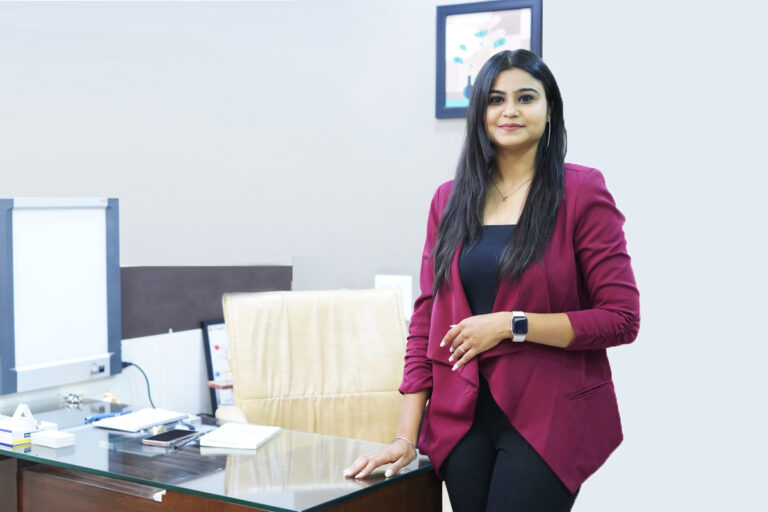
At Catchealth, many of the women who come to Dietitian Nandini Sikka first describe a hair problem, not a hormone problem. Only after a few questions about their periods, weight and skin does the bigger picture appear: Polycystic Ovary Syndrome. PCOS hair changes are often one of the earliest and most emotionally draining signs of the condition.
This guide explains why PCOS affects your hair, what to look for, and the practical diet, lifestyle and medical steps that help most.
What Is PCOS, and Why Does It Show Up in Your Hair First?
If you have ever asked what is PCOS, here is the simple version: it is a common hormonal condition in which the ovaries produce higher-than-normal levels of androgens (often called “male” hormones, though every woman has them in small amounts). Many women with PCOS also have insulin resistance, meaning the body needs more insulin to keep blood sugar steady. High insulin, in turn, pushes the ovaries to make even more androgens.
The World Health Organization estimates that PCOS affects roughly 6–13% of women of reproductive age, and that up to 70% of affected women remain undiagnosed. That gap matters, because hair symptoms are often visible long before anyone checks hormone levels.
Hair follicles are highly sensitive to androgens. That single fact explains the strange contradiction of PCOS hair: thinning on the scalp and thicker growth on the face and body, both at the same time.
The Androgen Connection: How Hormones Change Your Hair
The main culprit is testosterone and its more powerful form, dihydrotestosterone (DHT). An enzyme called 5-alpha reductase converts testosterone to DHT inside the hair follicle. What DHT does depends on where the follicle is:
- On the scalp, DHT gradually shrinks follicles (called miniaturisation). Each new hair grows back finer, shorter and lighter until some follicles stop producing visible hair.
- On the face, chest, abdomen and back, the same hormone does the opposite, turning soft, fine “vellus” hair into dark, coarse “terminal” hair.
Insulin resistance, chronic inflammation, low vitamin D, iron deficiency and thyroid problems can make all of this worse. This is why treating only the hair rarely works for long; the hormonal root needs attention too.
Types of PCOS Hair Problems You Should Know About
PCOS does not affect everyone in the same way. The table below summarises the most common hair-related changes.
| Hair Concern | What You Notice | Main Cause | Typical Areas |
|---|---|---|---|
| Female pattern hair loss (androgenic alopecia) | Widening parting, thinner ponytail, visible scalp | DHT shrinking scalp follicles | Crown and top of the head |
| Hirsutism (excess hair growth) | Dark, coarse hair that grows back quickly | High androgens activating body follicles | Chin, upper lip, jawline, chest, belly, back |
| Telogen effluvium (sudden shedding) | Large clumps falling out over a few weeks | Stress, crash dieting, illness, low iron | All over the scalp |
| Oily scalp and dandruff | Greasy roots, flakes, itchiness | Androgens increasing sebum production | Scalp, often with acne on face and back |
| Brittle, dull hair | Breakage, frizz, slow growth | Nutrient gaps, thyroid issues, insulin resistance | Lengths and ends |
Studies commonly report that around 70% of women with PCOS experience hirsutism, while scalp thinning is less common but often more distressing.
What Are the First Signs of PCOS? Clues Beyond Your Hairbrush
Many women wonder what are the first signs of PCOS, especially when the changes are slow and easy to dismiss. Hair is a major clue, but it usually arrives alongside others. Common PCOS symptoms include:
- Irregular, delayed or missed periods
- Unwanted hair on the face, chest or stomach
- Thinning scalp hair or a widening parting
- Persistent acne along the jaw, chin and back
- Weight gain, especially around the waist, that is hard to shift
- Dark, velvety skin patches on the neck, underarms or groin (acanthosis nigricans)
- Difficulty getting pregnant
- Fatigue, sugar cravings and mood changes
If you notice two or more of these together, it is worth speaking to a doctor. A diagnosis is usually based on symptoms, blood tests for hormones and an ultrasound of the ovaries.
PCOS Diet: Eat Your Way to Healthier Hair
Food will not reverse genetics, but a well-planned PCOS diet can lower insulin, reduce inflammation and give your follicles the nutrients they need. In Dietitian Nandini Sikka’s practice, these are the changes that tend to make the biggest difference:
1. Balance every plate. Pair carbohydrates with protein, healthy fat and fibre. A roti with dal and sabzi keeps blood sugar steadier than a plate of plain rice.
2. Choose low-glycaemic carbohydrates. Whole grains like millets (ragi, jowar, bajra), oats, brown rice and legumes release sugar slowly.
3. Prioritise protein. Hair is made of keratin, a protein. Include eggs, paneer, curd, lentils, chickpeas, tofu, fish or chicken at every meal.
4. Add omega-3s. Flaxseeds, chia seeds, walnuts and fatty fish help calm inflammation.
5. Mind your micronutrients. Low iron, vitamin D, zinc and B12 are common in women with PCOS and are linked to hair shedding.
6. Cut back on refined sugar and ultra-processed snacks. Sweets, packaged juices and fried foods spike insulin, which feeds the androgen cycle.
| Nutrient | Why It Matters for Hair | Good Food Sources |
|---|---|---|
| Protein | Building block of keratin | Eggs, dal, paneer, Greek yogurt, chicken |
| Iron | Low ferritin is linked to hair shedding | Spinach, jaggery (in moderation), lentils, red meat |
| Zinc | Supports follicle repair; may help lower androgens | Pumpkin seeds, chickpeas, cashews |
| Vitamin D | Involved in the hair growth cycle | Sunlight, fortified foods, egg yolks |
| Omega-3 fats | Reduce inflammation | Flaxseeds, walnuts, salmon |
| Inositol | May improve insulin sensitivity | Citrus fruits, beans, whole grains |
Please test before you supplement. Taking iron or vitamin D without knowing your levels can do more harm than good.
PCOS Symptoms and Treatment: Medical Options That Actually Help
Looking at PCOS symptoms and treatment together makes sense, because the right treatment depends on which symptoms bother you most. A doctor may recommend:
- Combined oral contraceptive pills to regulate periods and lower androgen levels.
- Anti-androgen medicines such as spironolactone, which can reduce hirsutism and slow scalp thinning (not suitable during pregnancy).
- Metformin to improve insulin resistance, especially when weight and blood sugar are concerns.
- Topical minoxidil to encourage regrowth on the scalp.
- Laser hair reduction or electrolysis for long-term reduction of facial and body hair.
Medical PCOS treatment works best alongside nutrition and lifestyle changes, not instead of them. Results for hair take patience: most women need three to six months before they notice a real difference, because hair grows slowly.
How to Cure PCOS? Here Is the Honest Answer
One of the most searched questions is how to cure PCOS. The honest answer is that there is currently no permanent cure. PCOS is a long-term condition, and anyone promising a “cure in 30 days” deserves your scepticism.
The good news is that PCOS can be managed very well. Many women bring their periods back to a regular cycle, reduce unwanted hair, stop excessive shedding and improve fertility through steady changes. Even losing 5–10% of body weight, for those who are overweight, can noticeably improve hormone levels and symptoms. Lean women with PCOS benefit too, from blood-sugar-friendly eating and strength training.
Daily Care Tips to Protect and Strengthen PCOS Hair
Alongside treating the root cause, gentle everyday habits help protect the hair you have:
- Use a mild, sulphate-free shampoo, and wash often enough to control oil without stripping the scalp.
- Try ketoconazole shampoo once or twice a week if you have dandruff; some evidence suggests it has a mild anti-androgen effect on the scalp.
- Massage your scalp for a few minutes daily to improve circulation.
- Avoid tight hairstyles like high ponytails and buns that pull on fragile roots.
- Limit heat styling and chemical treatments such as straightening, bleaching and frequent colouring.
- Sleep 7–8 hours and manage stress with yoga, walking or breathing exercises, since cortisol can worsen shedding.
- Exercise regularly. A mix of strength training and brisk walking improves insulin sensitivity.
- Be consistent. Follicles respond slowly, so give any routine at least 12 weeks before judging it.
For facial hair, threading, waxing and trimming are safe short-term options. Shaving does not make hair grow back thicker, despite the popular myth.
When to See a Specialist: Hormonal Imbalance Treatment in East Delhi
See a doctor if your hair loss is sudden or patchy, if excess hair is spreading quickly, or if you have irregular periods along with hair changes. Ask for tests such as testosterone, DHEA-S, thyroid profile, fasting insulin, ferritin and vitamin D.
If you are looking for hormonal imbalance treatment in East Delhi, Catchealth offers personalised nutrition support led by Dietitian Nandini Sikka. Instead of generic diet charts, each plan is built around your test reports, food habits, routine and goals, and works alongside the care you receive from your gynaecologist or dermatologist.
Frequently Asked Questions About PCOS Hair
Can PCOS hair loss be reversed?
In many cases, yes, at least partly. When androgen levels and insulin resistance are brought under control early, thinning can slow and some regrowth is possible. Follicles that have been inactive for many years are harder to revive, so early action helps.
Does PCOS cause facial hair in every woman?
No. Hair growth depends on your androgen levels and how sensitive your follicles are, which is partly genetic. Some women with PCOS have no excess hair at all.
How long does it take to see improvement in PCOS hair?
Most women notice less shedding within three months and visible improvement in six to twelve months of consistent treatment and diet changes.
Which PCOS diet is best for hair growth?
A balanced, low-glycaemic diet rich in protein, fibre, healthy fats, iron and zinc works better than extreme or fad diets. Crash dieting can actually trigger more hair fall.
Is PCOS treatment different for lean women?
The approach changes slightly. Lean women still benefit from blood-sugar-friendly eating, strength training and addressing nutrient deficiencies, but weight loss is not the goal.
Can supplements alone fix PCOS hair problems?
Rarely. Supplements help only when you have a confirmed deficiency. They work best as part of a complete plan that includes diet, exercise, sleep and, if needed, medication.
The Bottom Line
PCOS hair changes can feel personal and frustrating, but they are a signal from your body, not a permanent sentence. Thinning hair and unwanted growth both trace back to the same hormonal imbalance, which means tackling the root cause through food, movement, stress care and the right medical support can improve both.
If you are ready for a plan that fits your body and your life, connect with Dietitian Nandini Sikka at Catchealth and take the first step towards healthier hormones and stronger hair.