

Why Your BP Reading Deserves More Attention Than You Think
Most people discover they have high blood pressure by accident — during a routine check-up, a pre-surgery test, or at a pharmacy machine. They feel perfectly fine, so the number feels abstract. That is exactly what makes hypertension dangerous.
So, blood pressure high hone se kya hota hai? In simple words, your heart has to pump against more resistance than it should. Over months and years, that extra force wears down your arteries, heart, kidneys, brain and eyes — usually without a single warning sign.
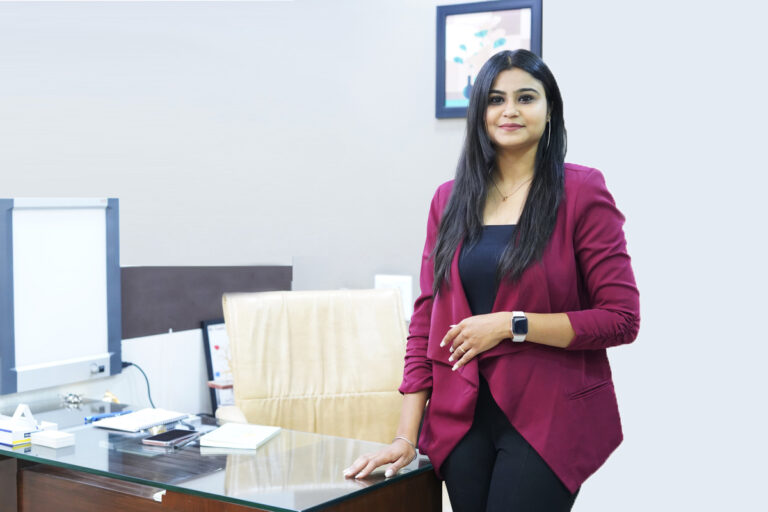
The good news: high BP is one of the most controllable conditions in medicine. At Catchealth, our clinical nutrition team led by Dt. Nandini Sikka works every week with people who bring their readings down through food, movement, sleep and — where a doctor advises — medication. In this guide, we explain what really happens inside the body, the symptoms to watch for, the causes behind them, and a practical plan to protect yourself.
Decoding the Two Numbers on Your BP Monitor
Every blood pressure reading has two values, written like 120/80 mmHg.
- Systolic (top number): the pressure in your arteries when the heart beats and pushes blood out.
- Diastolic (bottom number): the pressure when the heart relaxes between beats.
Both matter. A raised systolic number is more common after 50, while a raised diastolic number is often seen in younger adults. Hypertension is diagnosed only when readings stay high on repeated measurements — one high reading after climbing stairs or drinking tea is not a diagnosis.
High BP is also far more common than most people realise. The World Health Organization estimates that well over a billion adults worldwide live with hypertension, and a large share of them do not know it. Indian surveys consistently show that roughly one in four to one in three adults has raised blood pressure, with many cases now appearing in people in their 30s.
Where Do You Stand? Blood Pressure Categories at a Glance
Use this table to understand your home or clinic readings. Categories below follow widely used adult guidelines (ACC/AHA); Indian clinicians often treat 140/90 mmHg and above as the threshold for starting medicines.
| Category | Systolic (mmHg) | Diastolic (mmHg) | What it means | |
|---|---|---|---|---|
| Normal | Below 120 | and | Below 80 | Keep up healthy habits |
| Elevated | 120–129 | and | Below 80 | Early warning — lifestyle changes help most here |
| Stage 1 Hypertension | 130–139 | or | 80–89 | Lifestyle change; doctor may consider medicine |
| Stage 2 Hypertension | 140 or higher | or | 90 or higher | Lifestyle change plus medicine usually needed |
| Hypertensive Crisis | Above 180 | and/or | Above 120 | Seek emergency medical care immediately |
Tip from Dt. Nandini Sikka: Sit quietly for five minutes before measuring, keep your feet flat and your arm at heart level, and take two readings a minute apart. Log them for a week before your consultation — a pattern tells us far more than a single number.
The Silent Damage: Blood Pressure High Hone Se Kya Hota Hai Inside Your Body
Think of your arteries as flexible garden hoses. When pressure stays high, the inner lining develops tiny tears, cholesterol settles into them, and the walls gradually stiffen and narrow. The heart then works even harder, and the cycle feeds itself. Here is how that plays out organ by organ:
| Organ | What sustained high BP does | Possible long-term outcome |
|---|---|---|
| Heart | Thickens the heart muscle (left ventricular hypertrophy) and speeds up artery narrowing | Heart attack, heart failure, irregular heartbeat |
| Brain | Weakens or blocks small blood vessels | Stroke, mini-strokes (TIA), vascular dementia |
| Kidneys | Damages the tiny filters that clean your blood | Chronic kidney disease, kidney failure |
| Eyes | Injures blood vessels in the retina | Hypertensive retinopathy, blurred or lost vision |
| Arteries | Makes them stiff, narrow or ballooned | Peripheral artery disease, aneurysm |
| Sexual health | Reduces blood flow | Erectile dysfunction, lower libido |
Hypertension is one of the leading contributors to stroke and heart disease in India. That is why doctors call it the “silent killer” — the damage builds up quietly long before a crisis.
Warning Signs You Shouldn’t Ignore: High Blood Pressure ke Lakshan
Most people with raised BP have no symptoms at all. When High Blood Pressure ke Lakshan do appear, they are often mistaken for stress, acidity or poor sleep. Common ones include:
- Headache, especially at the back of the head in the morning
- Dizziness or a feeling of heaviness in the head
- Blurred vision or spots in front of the eyes
- Pounding heartbeat or palpitations
- Unexplained fatigue and irritability
- Nosebleeds (usually only at very high readings)
- Shortness of breath on mild exertion
- Facial flushing
Emergency red flags — call for medical help immediately if a high reading comes with chest pain, sudden severe headache, confusion, slurred speech, weakness on one side of the body, or difficulty breathing. These can signal a hypertensive crisis, heart attack or stroke.
Because symptoms are unreliable, the only way to know your BP is to measure it. Adults over 30 should check at least once a year, and more often if there is a family history.
What Pushes Your BP Up? The Real Causes (Karan)
Doctors divide hypertension into two types.
Primary (essential) hypertension accounts for most cases and develops gradually from a mix of genes and lifestyle. Secondary hypertension is caused by another condition — such as kidney disease, thyroid disorders, sleep apnoea, adrenal problems or certain medicines like painkillers, steroids and some decongestants.
The risk factors we see most often in Indian clients at Catchealth are:
| Risk factor | Why it raises BP | Can you change it? |
|---|---|---|
| Excess salt (pickles, papad, namkeen, packaged food) | Makes the body hold water, increasing blood volume | Yes |
| Being overweight, especially belly fat | Heart must pump harder; hormones that constrict vessels rise | Yes |
| Physical inactivity | Stiffer arteries and weaker heart efficiency | Yes |
| Chronic stress and poor sleep | Keeps stress hormones like cortisol and adrenaline high | Yes |
| Smoking and alcohol | Damage vessel walls and spike BP | Yes |
| Diabetes and high cholesterol | Accelerate artery damage | Largely manageable |
| Family history | Inherited tendency | No — but lifestyle lowers the risk |
| Age above 45 | Arteries naturally stiffen | No |
Notice how many rows say “yes”. That is where the real opportunity lies.
Blood Pressure Kaise Kam Kare: Everyday Habits That Actually Work
If you are wondering Blood Pressure Kaise Kam Kare without feeling deprived, start with the changes that have the strongest evidence behind them:
- Cut sodium. Aim for under 5 g of salt a day (about one level teaspoon in total, including hidden salt). Taste food before adding salt, and swap pickles and chips for roasted chana or fruit.
- Load up on potassium. Banana, coconut water, spinach, tomato, sweet potato and dals help the body flush out sodium (check with your doctor first if you have kidney disease).
- Move for 30 minutes most days. Brisk walking, cycling, swimming or yoga can lower systolic BP meaningfully within weeks.
- Lose even a little weight. Losing just 4–5 kg often shows up clearly on the BP monitor.
- Limit alcohol and quit smoking. Both give quick, measurable benefits.
- Protect your sleep. Seven to eight hours; loud snoring with daytime tiredness should be checked for sleep apnoea.
- Manage stress daily. Deep breathing, pranayama such as anulom-vilom, and short breaks from screens calm the nervous system.
- Monitor at home. It keeps you motivated and gives your doctor real-world data.
The eating approach with the strongest research support is the DASH diet (Dietary Approaches to Stop Hypertension) — rich in vegetables, fruits, whole grains, low-fat dairy and legumes, and low in salt, red meat and sugar. Below is how our team adapts it for an Indian kitchen.
Your Plate, Your Pressure: A 7-Day Diet Plan for High Blood Pressure
This sample 7-day diet plan for high blood pressure is designed by the Catchealth nutrition team around Indian meals. It is low in salt, high in fibre and potassium, and easy to follow for a working family. Portions should be adjusted to your weight, activity and other conditions such as diabetes.
| Day | Early morning | Breakfast | Lunch | Evening snack | Dinner |
|---|---|---|---|---|---|
| Day 1 | Warm water + 5 soaked almonds | Vegetable oats upma | 2 multigrain rotis, lauki sabzi, moong dal, salad | Guava + green tea | Palak paneer (low-fat), 1 roti |
| Day 2 | Methi seed water | Moong dal chilla with mint chutney | Brown rice, rajma, cucumber raita | Roasted chana | Mixed vegetable soup + grilled tofu |
| Day 3 | Coconut water | Vegetable poha with peanuts | 2 jowar rotis, bhindi, masoor dal | Apple + 2 walnuts | Vegetable dalia khichdi + curd |
| Day 4 | Lemon water (no salt) | Ragi dosa with sambar | Quinoa pulao, chole, salad | Buttermilk (no salt) + makhana | 1 roti, tinda sabzi, grilled fish or paneer |
| Day 5 | Warm water + flaxseed | Besan chilla with tomato | 2 bajra rotis, mixed veg, toor dal | Papaya bowl | Moong dal soup + sautéed vegetables |
| Day 6 | Soaked raisins | Idli with vegetable sambar | Brown rice, kadhi (low-salt), beans sabzi | Banana + green tea | Stuffed bell peppers + 1 roti |
| Day 7 | Coconut water | Daliya with low-fat milk and fruit | 2 multigrain rotis, paneer bhurji, salad | Sprouts salad | Vegetable khichdi + curd |
Foods to limit on any day: pickles, papad, packaged chips and namkeen, instant noodles, processed meats, bakery items, sauces and ketchup, and sugary drinks.
Following a 7 day diet plan for high blood pressure is a great start, but lasting results come from personalising it. If you are in Delhi NCR, you can book a consultation with our dietitian for blood pressure in East Delhi for a plan built around your reports, routine and taste.
Can Pressure Points Help? Acupressure Points for High Blood Pressure
Many readers ask whether acupressure can support BP control. Some small studies suggest that pressing certain points may help with relaxation and short-term reductions in blood pressure, largely by calming the stress response. It is a complement to, not a replacement for, diet, exercise and prescribed treatment.
Commonly used acupressure points for high blood pressure include:
| Point | Location | How to press |
|---|---|---|
| LI-4 (Hegu) | Web between thumb and index finger | Firm, steady pressure for 1–2 minutes; avoid in pregnancy |
| PC-6 (Neiguan) | Inner forearm, about three finger-widths below the wrist crease | Gentle circular pressure for 1–2 minutes |
| LV-3 (Taichong) | Top of the foot, in the dip between big toe and second toe | Press and hold while breathing slowly |
| GB-20 (Fengchi) | Base of the skull, in the hollows either side of the neck | Press upward with thumbs for 1 minute |
Practise in a calm setting, breathe slowly, and stop if you feel pain or dizziness. Keep taking your medicines unless your doctor changes them.
Understanding BP Tablets 10mg: What You Should Know Before Taking Them
People often search for bp tablets 10mg after seeing the strength on a family member’s prescription. “10 mg” is simply a dose, and it appears across several very different medicine groups. Common examples a doctor may prescribe include:
| Medicine group | Examples available in 10 mg strength | How it works |
|---|---|---|
| Calcium channel blockers | Amlodipine 10 mg | Relaxes and widens blood vessels |
| ACE inhibitors | Enalapril 10 mg, Lisinopril 10 mg, Ramipril 10 mg | Blocks a hormone that narrows vessels |
| Beta blockers | Nebivolol 10 mg (less commonly), others at different doses | Slows heart rate and lowers the heart’s workload |
Important points to keep in mind:
- Never start, stop or switch a BP tablet on your own. The right medicine and dose depend on your age, kidney function, heart health, other conditions and possible side effects such as ankle swelling, dry cough or dizziness.
- A 10 mg tablet that suits one person can drop another person’s BP too low.
- Stopping suddenly can cause a rebound rise in pressure.
- Good nutrition often helps doctors keep the dose low — and sometimes reduce it over time under supervision.
This section is for awareness only. Please consult a qualified physician for any prescription decision.
When to See a Doctor — and How Catchealth Can Help
See a doctor promptly if your readings are consistently 130/80 mmHg or higher, if you are under 30 with high BP (to rule out secondary causes), or if you are pregnant and notice a rise. Go to emergency care for readings above 180/120 mmHg with any red-flag symptom.
Medicine controls the numbers, but daily food choices decide how well they stay controlled. At Catchealth, Dt. Nandini Sikka and her team build personalised, evidence-based diet plans for hypertension, often alongside diabetes, thyroid or weight concerns. Each plan considers your blood reports, medicines, work schedule and cultural food habits, with regular follow-ups to track your readings.
You can read what our clients say and find us on Catchealth’s Google profile, or book a session with our blood pressure dietitian.
Frequently Asked Questions
1. Blood pressure high hone se kya hota hai if it is left untreated?
Over time, uncontrolled high BP damages the arteries and can lead to heart attack, stroke, kidney disease, vision loss and memory problems. Early control greatly lowers these risks.
2. Can high blood pressure be cured permanently?
Primary hypertension is usually managed rather than cured. Many people, especially in the elevated or stage 1 range, bring readings back to normal with sustained lifestyle changes, and some reduce medicines under their doctor’s guidance.
3. How fast can diet lower blood pressure?
With a low-salt, DASH-style diet, many people see a noticeable drop within two to four weeks. Consistency matters more than perfection.
4. Is it safe to follow a 7 day diet plan for high blood pressure while on medicines?
Yes, in most cases a balanced plan works well alongside medicines. If you have kidney disease or take potassium-sparing drugs, check with your doctor before increasing potassium-rich foods.
5. Which is the best time to take BP tablets 10mg?
That depends on the specific medicine and your doctor’s advice. Take it at the same time daily and never adjust the dose yourself.
6. Do acupressure points for high blood pressure really work?
They may help you relax and give a small, short-term drop, but they should only support — not replace — diet, exercise and prescribed treatment.
7. Can young people get high BP?
Yes. Stress, obesity, high-salt diets, poor sleep and inactivity are driving more cases in people in their 20s and 30s. Regular checks are important at every age.
The Bottom Line: Small Daily Choices, Big Protection
Blood pressure high hone se kya hota hai? It quietly strains your heart, brain, kidneys and eyes — but it is also one of the most preventable and manageable conditions you can face. Know your numbers, learn the warning signs, cut back on salt, stay active, sleep well and follow medical advice.
If you would like expert, personalised guidance, the Catchealth team under Dt. Nandini Sikka is here to help you build a plan that fits your life and keeps your BP where it belongs.