

How to Avoid Loose Skin When Losing Weight: 7 Proven Tips

Losing weight is one of the most rewarding journeys you can take for your health — but it often comes with an unexpected worry: loose, sagging skin. If you have ever typed “how to avoid loose skin when losing weight” into a search bar late at night, you are far from alone. Thousands of people who shed significant weight, whether through diet, exercise, or medical support, notice that their skin does not always “bounce back” as fast as the fat disappears. This happens because skin gradually loses its natural elasticity, especially when weight drops too quickly or without the right nutritional backup.

The good news is that loose skin weight loss concerns can often be minimised — sometimes avoided almost entirely — with a smart, gradual approach. At Catchealth, Dietician Nandini Sikka works with clients every day to design weight-loss plans that protect skin health while helping them reach their body goals safely and sustainably. In this guide, we walk you through seven proven, dietician-approved tips on how to avoid loose skin when losing weight, along with practical nutrition and lifestyle habits you can start today.

What Really Causes Loose Skin During Weight Loss?

Your skin is made up of collagen and elastin fibres that allow it to stretch and contract. When you gain weight, especially over months or years, these fibres stretch to accommodate the extra fat stored underneath. If you lose that weight very quickly, the skin simply does not have enough time to shrink back at the same pace, leaving it loose or sagging.

Several factors influence how well your skin “snaps back”: the amount of weight lost, how fast you lost it, your age, genetics, sun exposure, smoking history, and — importantly — your diet and hydration levels during the process. This is exactly why understanding how to prevent loose skin during weight loss matters just as much as the weight loss itself. A well-planned, nutrient-rich approach gives your skin the raw materials and time it needs to adapt.

Who Is Most at Risk of Loose Skin After Weight Loss?

Not everyone who loses weight ends up with sagging skin, but certain people are more prone to it. This includes individuals who lose more than 20–30% of their starting body weight, people above the age of 40 (since collagen production naturally slows with age), long-term smokers, and those who have spent years at a higher weight before starting their weight-loss journey. If you fall into one of these categories, being extra mindful about how to avoid loose skin when losing weight — through pace, protein, and hydration — becomes even more important.

How to Avoid Loose Skin When Losing Weight: 7 Proven Tips

If you are actively trying to figure out how to avoid loose skin after weight loss, the following seven strategies — recommended by the team at Catchealth — combine nutrition science with sustainable lifestyle habits. Each tip is easy to build into your daily routine, and together they address the root causes of skin laxity rather than just masking the symptoms.

1. Lose Weight Slowly and Steadily

Crash diets may promise fast results, but they are one of the biggest reasons people end up with sagging skin. Aim for a steady, moderate rate of fat loss of roughly 0.5 to 1 kg per week. This slower pace gives your skin enough time to gradually retract as the fat layer underneath shrinks, which is one of the simplest yet most effective ways to prevent loose skin during weight loss. Extreme calorie restriction may also lead to muscle loss and nutrient deficiencies, both of which make skin look even more deflated, so patience truly pays off here.

2. Prioritise Protein-Rich Meals for Skin Elasticity

Protein is the building block of collagen, the protein responsible for keeping skin firm and elastic. Including lean protein — such as dal, paneer, eggs, fish, or chicken — in every meal helps your body repair and rebuild skin tissue while you lose fat. It also helps preserve muscle mass, which plays a supportive role in keeping skin looking tighter.

3. Stay Hydrated: Try Detox Water for Weight Loss

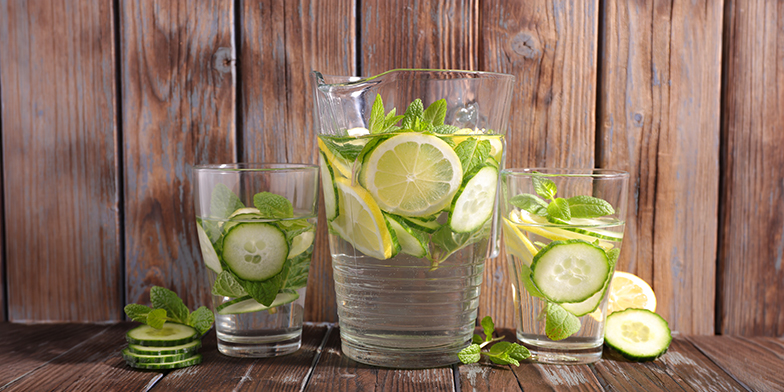
Hydration is often the most overlooked factor in skin health. Well-hydrated skin cells are naturally plumper, more elastic, and better able to adjust as your body changes shape. A simple and refreshing way to boost your water intake is with Detox Water for Weight Loss, infused with ingredients like lemon, cucumber, mint, or ginger. Beyond hydration, these detox waters can support digestion and gently aid your overall weight-loss process.

4. Add Strength Training to Build Muscle Tone

Resistance and strength training is one of the most effective ways to prevent loose skin during weight loss. As you lose fat, building lean muscle underneath fills out the space, giving skin a firmer, more toned appearance. Aim for at least three to four strength-training sessions a week, targeting major muscle groups like the legs, arms, back, and core. Even simple bodyweight exercises like squats, push-ups, and planks can make a noticeable difference over a few months.

5. Use Chia Seeds for Weight Loss and Skin Repair

Small but mighty, chia seeds are packed with omega-3 fatty acids, fibre, and antioxidants that support both fat loss and skin repair. Learning How to Use Chia Seeds for Weight Loss can be as simple as soaking a tablespoon in water or curd overnight and adding it to your breakfast. The fibre keeps you full for longer, while the omega-3 content helps maintain your skin’s natural lipid barrier, keeping it soft and supple as you lose weight.

6. Feed Your Skin: Collagen-Boosting and Antioxidant Foods

Vitamin C is essential for collagen synthesis, so include citrus fruits, amla, bell peppers, and leafy greens in your daily diet. Healthy fats from nuts, seeds, and olive oil also help maintain your skin’s moisture barrier. Together, these nutrients work from within to support elasticity, making them an important part of any plan focused on how to avoid loose skin after weight loss.

7. Get a Personalised Plan from an Expert Dietician

Every body is different, and a generic diet plan rarely accounts for your age, metabolism, medical history, or skin type. Working with an experienced professional like Dietician Nandini Sikka at Catchealth ensures your weight-loss pace, protein intake, and hydration levels are all calibrated correctly. If you are based nearby, you can consult a dietician for weight loss in East Delhi to get a plan built specifically around protecting your skin while you lose weight.

Quick Reference: Nutrients and Habits That Support Skin Elasticity

Use this simple table as a daily checklist while working on your weight-loss goals.

Nutrient / HabitWhy It Helps Skin ElasticityRecommended Daily Target
Protein (lean meat, dal, eggs, paneer)Supplies amino acids to rebuild collagen and support muscle under the skin1–1.2 g per kg body weight
Water & Detox Water for Weight LossKeeps skin cells plump, hydrated, and flushes toxins that dull skin tone2.5–3 litres per day
Chia seedsRich in omega-3, fibre, and antioxidants that support skin repair1–2 tablespoons daily
Vitamin C rich foods (citrus, amla, bell peppers)Essential co-factor for natural collagen synthesis1–2 servings daily
Strength trainingBuilds lean muscle that fills space under loose skin3–4 sessions per week
Healthy fats (nuts, seeds, olive oil)Maintains skin’s lipid barrier and softness2–3 servings daily

How to Prevent Loose Skin During Weight Loss: A Quick Checklist

  • Lose weight gradually — no more than 0.5–1 kg per week
  • Eat enough protein at every meal to support collagen production
  • Drink 2.5–3 litres of water daily, including detox water for extra benefits
  • Strength train 3–4 times a week to build supportive muscle tone
  • Add chia seeds, nuts, and vitamin C-rich foods to your diet
  • Avoid smoking and limit excess sun exposure, both of which weaken skin
  • Get a personalised nutrition plan from a qualified dietician

Frequently Asked Questions (FAQs)

Q1. Can loose skin tighten on its own after weight loss?

In many cases, yes — especially in younger people with good skin elasticity. Gradual weight loss, adequate protein intake, hydration, and strength training all improve the chances of skin tightening naturally over several months.

Q2. How long does it take for skin to tighten after weight loss?

It varies from person to person, but skin generally continues to adjust for 6 to 18 months after you reach a stable weight, provided you maintain good nutrition and an active lifestyle.

Q3. Does drinking detox water really help with loose skin?

Detox water for weight loss primarily supports hydration and digestion, which indirectly benefits skin plumpness and elasticity. It is not a standalone fix, but it is a helpful addition to an overall skin-friendly weight-loss plan.

Q4. Are chia seeds effective for preventing loose skin?

Chia seeds are rich in omega-3 fatty acids and fibre, both of which support skin repair and steady, sustainable weight loss — making them a useful addition when you are learning how to avoid loose skin when losing weight.

Q5. When should I consult a dietician about loose skin concerns?

If you are planning to lose a significant amount of weight, or you are already noticing early signs of skin laxity, it is worth consulting a dietician early. A tailored plan from an expert like Dietician Nandini Sikka can help you lose weight the right way from the start.

Final Thoughts: Lose Weight Without Sacrificing Skin Health

Understanding how to avoid loose skin when losing weight comes down to a few consistent habits: losing weight gradually, eating enough protein, staying hydrated, strength training, and nourishing your skin from within with foods like chia seeds and antioxidant-rich produce. None of these steps require extreme measures — just consistency and the right guidance. If you would like a customised plan built around your body and goals, you can book a consultation with Catchealth, where Dietician Nandini Sikka and her team can help you lose weight safely while keeping your skin firm, healthy, and confident-looking every step of the way.

Nandini Sikka
Content Medically Approved by

Dt. Nandini Sikka

Welcome to the world of Dt. Nandini Sikka, a highly experienced and dedicated nutritionist who has transformed the lives of thousands of clients. With 6 years of expertise in the field, Nandini is here to guide you on your journey towards better health and wellness.

Detox Water for Weight Loss: Benefits, Recipes & How It Works

If you’re tired of crash diets and confusing weight-loss advice, there’s one simple habit worth trying first: drinking detox water. It’s affordable, easy to make, and fits into almost any lifestyle. In this guide, you’ll learn exactly how detox water for weight loss works, the science-backed benefits, and simple recipes you can start today.

What Is Detox Water?

Detox water is plain water infused with fruits, vegetables, or herbs like lemon, cucumber, mint, or ginger. It has no added sugar or artificial flavours, making it a healthier alternative to sodas and packaged juices.

  • No calories or minimal calories
  • Naturally flavoured, easy to drink throughout the day
  • Adds small amounts of vitamins and antioxidants from the infused ingredients

How Does Detox Water Support Weight Loss?

Detox water doesn’t magically “burn fat.” Instead, it supports weight loss indirectly by:

  • Replacing sugary drinks with a low-calorie option
  • Encouraging you to drink more water overall
  • Helping control appetite when consumed before meals
  • Supporting digestion, which keeps your metabolism working smoothly

Detox Water Helps Hydration Throughout the Day

Staying hydrated is one of the simplest ways to support your body’s natural fat-metabolism process. Many people don’t drink enough plain water simply because it feels boring.

  • Infused flavours make it easier to hit your daily water goal
  • Proper hydration reduces false hunger signals (thirst is often mistaken for hunger)
  • Supports skin health, energy levels, and kidney function

Top 5 Benefits of Detox Water for Weight Loss

  1. Reduces empty-calorie intake by replacing soft drinks and juices
  2. Curbs appetite when consumed before meals, reducing overeating
  3. Boosts metabolism slightly through better hydration
  4. Flushes out excess sodium and toxins, reducing water retention and bloating
  5. Improves digestion, helping your body process food more efficiently

Detox Water Benefits for Weight Management

Beyond initial weight loss, detox water can help with long-term weight management by building a sustainable habit rather than a short-term fix.

  • Easy to maintain daily, unlike restrictive diets
  • Low cost and simple to prepare with kitchen ingredients
  • Can be customised to avoid taste fatigue (rotate fruits weekly)

Improves Digestive Health Naturally

A healthy gut plays a major role in weight management. Ingredients commonly used in detox water — like ginger, mint, and lemon — are known to support digestion.

  • Ginger may help reduce bloating and support smoother digestion
  • Mint can soothe the digestive tract
  • Lemon water is often used to support gentle morning digestion

How to Make Detox Water at Home (Step-by-Step)

Making detox water is simple and takes less than 5 minutes.

What you need:

  • 1 litre filtered water
  • Sliced fruits or vegetables (lemon, cucumber, berries, orange)
  • Fresh herbs (mint, basil, ginger)
  • A large jar or bottle

Steps:

  1. Wash and slice your chosen fruits, vegetables, or herbs
  2. Add them to a jar or bottle filled with filtered water
  3. Refrigerate for at least 2–4 hours to let the flavours infuse
  4. Drink throughout the day and refill once or twice, reusing the same ingredients

5 Easy Detox Water Recipes to Try

  • Lemon-Mint Detox Water: Lemon slices + fresh mint leaves + water
  • Cucumber-Lime Detox Water: Cucumber slices + lime + a few mint leaves
  • Berry-Basil Detox Water: Mixed berries + basil leaves + water
  • Ginger-Lemon Detox Water: Fresh ginger slices + lemon + warm water (great in the morning)
  • Orange-Cinnamon Detox Water: Orange slices + a cinnamon stick + water

True Health Benefits of Detox Water (Beyond Weight Loss)

While weight loss is a common goal, detox water offers wider wellness benefits too:

  • Supports clearer skin due to better hydration
  • May reduce bloating and water retention
  • Adds small amounts of antioxidants and vitamin C (especially from citrus)
  • Encourages a healthier relationship with beverages overall

Common Mistakes to Avoid

  • Relying only on detox water instead of a balanced diet
  • Leaving fruit in water for more than 24 hours (bacteria risk)
  • Expecting rapid or dramatic weight loss from water alone
  • Using packaged detox water with added sugar or preservatives

Frequently Asked Questions

1. Can I eat rice and still lose weight while drinking detox water?

Yes. Rice can fit into a weight-loss diet in controlled portions, especially when paired with vegetables and lean protein. Detox water can complement this by supporting hydration and digestion.

2. What’s the worst carb for belly fat?

Refined carbs like white bread, sugary cereals, and packaged snacks are generally considered the least helpful for reducing belly fat, as they spike blood sugar quickly.

3. Can rice reduce belly fat?

Rice alone doesn’t directly reduce belly fat, but choosing brown rice in moderate portions, alongside an overall calorie-balanced diet, can support gradual fat loss.

4. What is the 30/30/30 rule for weight loss?

It refers to consuming 30 grams of protein within 30 minutes of waking up, followed by 30 minutes of low-intensity exercise, to support metabolism and appetite control.

5. What is the most unhealthy carb?

Highly processed carbs — such as sugary drinks, white flour products, and deep-fried snacks — are typically considered the least healthy choices.

Conclusion

Detox water is a simple, low-cost habit that can genuinely support your weight-loss journey — not as a magic fix, but as a smart addition to a balanced diet and active lifestyle. By staying hydrated, supporting digestion, and cutting out sugary drinks, you’re already moving in the right direction.

If you’d like expert, personalised guidance on building sustainable weight-loss habits, Catchealth offers professional nutrition and wellness support to help you reach your goals safely and effectively.

Nandini Sikka
Content Medically Approved by

Dt. Nandini Sikka

Welcome to the world of Dt. Nandini Sikka, a highly experienced and dedicated nutritionist who has transformed the lives of thousands of clients. With 6 years of expertise in the field, Nandini is here to guide you on your journey towards better health and wellness.

How to Use Chia Seeds for Weight Loss: A Complete, Practical Guide

If you have been searching for simple, sustainable ways to shed extra kilos, you have probably come across chia seeds more than once. These tiny black and white seeds have quietly become one of the most talked-about foods in the weight loss world, and for good reason. But knowing how to use chia seeds for weight loss the right way makes all the difference between a food trend and a food that actually works for you.

In this guide, we will walk through practical methods, everyday recipes, common mistakes, and how chia seeds fit into a bigger, well-planned weight loss nutrition diet. We will also look at why pairing any single food, however powerful, with expert guidance from a qualified dietician gives you far more consistent and lasting results.

Why Chia Seeds Deserve a Spot in Your Weight Loss Journey

Chia seeds are naturally rich in soluble fibre, plant-based omega-3 fatty acids, and a modest amount of protein. When they come into contact with water, they absorb up to ten times their weight and form a gel-like texture. This gel slows down digestion, keeps you fuller for longer, and helps reduce those mid-morning or late-night cravings that often derail a diet plan.

This is exactly why so many people ask how to use chia seeds for weight loss correctly, rather than just adding them randomly to meals. Used thoughtfully, chia seeds can support portion control, steady energy levels, and better digestion, all of which are important pillars of any weight loss plan.

How to Use Chia Seeds for Weight Loss: Simple Daily Methods

The good news is that you do not need any complicated preparation. Here are some of the easiest and most effective ways people successfully use chia seeds as part of their daily routine:

  • Chia water: Soak 1 tablespoon of chia seeds in a glass of water for 15–20 minutes and drink it first thing in the morning or before meals to reduce hunger.
  • Chia pudding: Mix chia seeds with milk or a plant-based alternative, refrigerate overnight, and enjoy as a light, filling breakfast.
  • Smoothie booster: Blend a spoonful of chia seeds into your regular fruit or vegetable smoothie for added fibre without changing the taste much.
  • Salad and curd topping: Sprinkle soaked chia seeds over salads, curd, or oats to add texture and a fibre boost.
  • Pre-meal drink: Having chia water about 20–30 minutes before lunch or dinner can help you eat smaller portions naturally.

Most experts suggest starting with 1 tablespoon a day and gradually increasing to 1–2 tablespoons, always with enough water, since the seeds expand significantly. This is one of the simplest answers to how to use chia seeds for weight loss without overcomplicating your routine.

Chia Seeds Nutrition at a Glance

Here is a quick look at what a standard serving of chia seeds offers, and why it matters when you are trying to lose weight:

Nutrient (per 28g / 2 tbsp)AmountWhy It Matters for Weight Loss
Calories~138 kcalLow-density energy that keeps portions filling
Dietary Fibre~9.8 gSlows digestion, controls hunger and cravings
Protein~4.7 gSupports muscle and satiety, useful in a high protein diet for weight loss
Healthy Fats (Omega-3 ALA)~4.9 gSupports heart health and reduces inflammation
Calcium~95 mgSupports bone health during calorie-controlled eating
Carbohydrates~12 gMostly fibre, so net usable carbs stay low

As the table shows, chia seeds are naturally low in calories but high in fibre, making them a smart addition to a weight loss nutrition diet rather than a stand-alone solution.

Easy Chia Seed Recipes That Support Fat Loss

Adding variety keeps a diet enjoyable and easier to sustain. A few simple recipes that work well within a structured weight loss diet in East Delhi households include:

  • Overnight oats with chia seeds, a splash of milk, and fresh fruit for a balanced breakfast.
  • Chia and lemon detox water sipped through the morning to support hydration and digestion.
  • A protein smoothie combining chia seeds, curd or paneer, banana, and a handful of nuts, ideal for anyone following high protein meals for weight loss.
  • Chia seed sprinkled buttermilk (chaas) as a light evening snack option.

These small additions are easy to repeat daily, which is often the real secret behind sustainable weight loss, consistency over intensity.

Pairing Chia Seeds with High Protein Foods for Weight Loss

Chia seeds work best when they are not eaten in isolation. Combining them with high protein foods for weight loss, such as eggs, paneer, curd, lentils, or grilled chicken, helps you stay fuller for longer while preserving lean muscle during calorie-controlled eating.

A well-designed high protein diet for weight loss, paired with fibre-rich foods like chia seeds, tends to reduce overall hunger and support steadier fat loss compared to relying on any single ingredient. This combination approach is something a qualified dietician can personalise based on your body type, activity levels, and food preferences.

Common Mistakes People Make While Using Chia Seeds

Even a healthy food can backfire if used incorrectly. Some frequent mistakes include:

  • Eating chia seeds dry without enough liquid, which can affect digestion.
  • Assuming chia seeds alone will cause weight loss without adjusting overall calorie intake.
  • Overloading on chia seeds, more than 2 tablespoons a day is generally unnecessary.
  • Ignoring other essentials like protein, vegetables, and regular physical activity.

Knowing how to use chia seeds for weight loss also means understanding what they cannot do on their own. They are a helpful tool, not a magic solution.

Why a Personalised Weight Loss Nutrition Diet Matters More Than One Superfood

Chia seeds can genuinely support your goals, but real, lasting weight loss almost always comes down to an overall eating pattern that matches your body, routine, and preferences. This is where a structured weight loss nutrition diet, rather than scattered tips from the internet, makes a real difference.

A good plan for weight loss looks at your daily schedule, food habits, medical history, and activity level before recommending anything, including how many chia seeds, how much protein, and what meal timings work best for you specifically.

How Dietician Nandini Sikka at CatcHealth Builds Your Weight Loss Plan in East Delhi

If you are based in East Delhi and looking for expert support rather than trial-and-error dieting, CatcHealth, led by Dietician Nandini Sikka, offers a practical and personalised approach. With years of clinical experience, Dietician Nandini Sikka focuses on realistic, sustainable habits rather than extreme restriction.

Whether you are searching for a dietician for weight loss in East Delhi, a detailed diet of weight loss in East Delhi, or an online dietician for weight loss in East Delhi for remote convenience, CatcHealth designs every weight loss plan in East Delhi around your specific needs. This includes guidance on high protein meals for weight loss, smart use of fibre-rich foods like chia seeds, and ongoing progress tracking.

Many clients searching for the best dietician or the best weight loss dietician in Delhi choose CatcHealth because the focus stays on education and long-term habits, not short-term restriction. If you want a weight loss diet in East Delhi that actually fits your lifestyle, a consultation with Dietician Nandini Sikka at CatcHealth is a practical next step.

Frequently Asked Questions

1. How much chia seed should I take daily for weight loss?

Most people can start with 1 tablespoon a day, gradually increasing to about 1–2 tablespoons, always soaked in enough water or liquid.

2. What is the best time to consume chia seeds for weight loss?

Many people prefer chia water in the morning or about 20–30 minutes before meals, since it may help with portion control.

3. Can chia seeds alone help me lose weight?

Chia seeds support fullness and digestion, but they work best as part of a complete weight loss nutrition diet that also includes protein, vegetables, and activity, not as a stand-alone solution.

4. Are chia seeds a good source of protein?

Chia seeds contain a small amount of protein, but they are better known for fibre and omega-3s. Pairing them with high protein foods for weight loss gives more balanced results.

5. Should I consult a dietician before adding chia seeds to my diet?

If you have any existing health condition or are following a structured plan for weight loss, it is a good idea to speak with a qualified professional, such as Dietician Nandini Sikka at CatcHealth, before making changes.

Final Thoughts

Learning how to use chia seeds for weight loss is a simple but valuable step toward better eating habits. Used consistently, alongside adequate hydration, protein, and movement, chia seeds can genuinely support your fat loss goals.

That said, sustainable results usually come from a complete, personalised approach rather than any single ingredient. If you are in East Delhi and want a realistic, well-guided weight loss diet in East Delhi, the team at CatcHealth, under the guidance of Dietician Nandini Sikka, is ready to help you build a plan that actually fits your life.

Nandini Sikka
Content Medically Approved by

Dt. Nandini Sikka

Welcome to the world of Dt. Nandini Sikka, a highly experienced and dedicated nutritionist who has transformed the lives of thousands of clients. With 6 years of expertise in the field, Nandini is here to guide you on your journey towards better health and wellness.

7 Day PCOS Diet Plan: Easy Meal Guide for Weight Loss & Hormone Health

If you have been diagnosed with Polycystic Ovary Syndrome (PCOS), you already know that food is not just fuel, it’s medicine. The right combination of meals can calm inflammation, regulate insulin, and support fat loss, while the wrong one can quietly worsen symptoms like weight gain, acne, irregular periods, and fatigue. That is exactly why a structured 7 Day PCOS Diet Plan can feel life-changing. It takes the guesswork out of “what do I eat today” and replaces it with a simple, sustainable rhythm your body will thank you for.

we break down a complete, easy-to-follow pcos diet plan designed by nutrition experts at Catchealth, along with practical tips, a day-by-day meal table, and answers to the most common questions women ask about eating well with PCOS.

Why Food Choices Matter So Much in PCOS

PCOS is a hormonal condition, and hormones respond directly to what’s on your plate. Most women with PCOS deal with insulin resistance, which means their body needs more insulin than usual to manage blood sugar. Over time, this extra insulin pushes the ovaries to produce more androgens (male hormones), which can trigger weight gain around the belly, irregular cycles, and skin issues. A well-planned diet plan for women with pcos works by keeping blood sugar steady, reducing inflammation, and supporting the liver and gut, both of which play a role in hormone balance. This is why a generic weight-loss diet rarely works for PCOS, and why a condition-specific approach matters so much.

To understand the connection between weight and PCOS in more depth, you can also read this detailed guide on how to lose weight with PCOS.

What Makes the Best Diet Plan for PCOS?

There is no single “magic” food that fixes PCOS, but there are principles that consistently work. The best diet plan for pcos usually includes the following pillars:

• Low glycemic index carbohydrates such as whole grains, millets, and legumes instead of refined flour and sugar.

• Adequate protein at every meal to keep you full and stabilise blood sugar.

• Healthy fats like nuts, seeds, and cold-pressed oils that support hormone production.

• Fibre-rich vegetables and fruits to aid digestion and reduce inflammation.

• Consistent meal timings to prevent insulin spikes and unnecessary cravings.

When these pillars come together in a practical, easy-to-follow structure, you get a truly healthy diet plan for pcos that fits into real, busy lives, not just an ideal on paper.

Your Complete 7 Day PCOS Diet Plan

Here is a simple, home-friendly 7 Day PCOS Diet Plan that balances taste, nutrition, and convenience. It is designed as a general template; you can rotate seasonal vegetables and adjust portions based on your activity level and any advice from your dietitian.

DayBreakfastMid-Morning SnackLunchEvening Snack
Day 1Vegetable poha + soaked almondsMoong dal chilla + mint chutneyRoti, lauki sabzi, kachumber saladRoasted chana / a small handful of walnuts
Day 2Besan cheela with veggiesSprouts salad + buttermilkBrown rice, rajma, cucumber raitaApple with peanut butter
Day 3Oats porridge with cinnamon & flaxseedPaneer bhurji + multigrain toastRoti, palak paneer, saladCoconut water + roasted makhana
Day 4Vegetable upma + boiled eggFruit chaat with chia seedsQuinoa pulao, curd, saladHerbal tea + 2 dates
Day 5Moong sprouts + vegetable parathaHummus with carrot & cucumber sticksRoti, bhindi sabzi, moong dalHandful of almonds & walnuts
Day 6Idli with sambar (low oil)Buttermilk + roasted seeds mixBrown rice, chole, saladGuava or papaya slices
Day 7Vegetable daliya + soaked seedsPaneer tikka (grilled) + green chutneyRoti, mixed vegetable curry, curdGreen tea + a small bowl of berries

Notice how this 7 Day PCOS Diet Plan focuses on whole, minimally processed foods, spread across four small meals a day. This approach naturally reduces overeating, keeps energy levels steady, and gives your gut friendly bacteria the fibre they need to thrive.

Foods to Embrace and Foods to Limit

Foods that support hormone balance

• Millets like ragi, jowar, and bajra

• Leafy greens, broccoli, and other cruciferous vegetables

• Lentils, chickpeas, rajma, and other legumes

• Nuts, seeds (especially flaxseed and pumpkin seeds), and healthy oils

• Curd, buttermilk, and other probiotic-rich foods

Foods to cut back on

• Refined sugar, maida, and packaged snacks

• Deep-fried and highly processed foods

• Excess caffeine and sugary beverages

• Trans fats found in bakery items and packaged snacks

If you’re still trying to understand the root of your symptoms before starting any diet, it helps to first read about what PCOD actually is and how PCOD can be managed naturally, so that your food choices are backed by the right understanding of your condition.

How a PCOS Diet Plan to Lose Weight Actually Works

Weight loss with PCOS is rarely about eating less; it’s about eating right. A well-designed pcos diet plan to lose weight focuses on improving insulin sensitivity first. When insulin levels come down, the body finds it easier to burn fat instead of storing it, especially around the abdomen. Pairing this kind of eating pattern with light movement, such as a 30-minute daily walk or yoga, and quality sleep can significantly speed up visible results within a few weeks.

Why Choose Catchealth for Your PCOS Diet Journey

At Catchealth, we understand that every woman’s body responds differently to PCOS. Instead of one-size-fits-all templates, our nutrition experts design a customized diet plan for women with PCOS after evaluating your hormone reports, lifestyle, food preferences, and daily routine. Our approach blends clinical nutrition science with realistic, home-style Indian meals, so the plan actually fits into your life instead of disrupting it.

You can explore our dedicated PCOD/PCOS diet plan service to see how a personalized plan is created step by step.

Looking for a PCOS Diet Plan in Delhi NCR?

If you’re based in the region and searching for a reliable pcos diet plan in Delhi NCR, Catchealth offers in-person and online consultations led by Dietitian Nandini Sikka, a name trusted by hundreds of women for sustainable, science-backed weight management. Whether you need a focused PCOS-friendly plan or a broader Weight Loss Diet plan in Delhi NCR, her team takes a practical, judgment-free approach that fits your budget, food habits, and daily schedule.

You can also check reviews and location details here before booking your consultation.

Tips to Make Your PCOS Diet Sustainable

• Cook meals at home as much as possible to control oil, sugar, and portion size.

• Never skip breakfast; it sets the tone for blood sugar control all day.

• Keep healthy snacks like nuts, roasted chana, or fruit within easy reach.

• Stay hydrated with water, coconut water, or herbal teas instead of sugary drinks.

• Track your progress by symptoms (energy, cycle regularity, skin) and not just the weighing scale.

Consistency matters far more than perfection. Missing one meal or having a treat occasionally will not undo your progress, what matters is returning to your routine the next day.

Frequently Asked Questions

1. How fast can I see results with a 7 Day PCOS Diet Plan?

Most women notice better energy and reduced bloating within the first week, while visible weight changes typically take 3 to 4 weeks of consistent effort.

2. Is this diet plan suitable for all PCOS body types?

This plan works as a general template, but since PCOS presents differently in every woman (lean, insulin-resistant, or adrenal type), a personalised plan from a qualified dietitian will always give better, faster results.

3. Can I follow a PCOS diet plan if I am vegetarian?

Absolutely. The meal plan shared above is largely vegetarian and can easily be adapted for vegans or non-vegetarians by swapping protein sources like paneer, dal, or eggs.

4. Do I need to exercise along with the diet plan?

While diet does most of the heavy lifting in managing PCOS, adding light activity like walking, yoga, or strength training two to three times a week significantly improves insulin sensitivity and speeds up results.

5. Where can I get a customised PCOS diet plan in Delhi NCR?

Catchealth, led by Dietitian Nandini Sikka, offers customised PCOS and weight loss diet plans in Delhi NCR based on your specific hormone profile, lifestyle, and food preferences.

Final Thoughts

Managing PCOS is a marathon, not a sprint, but it doesn’t have to feel overwhelming. This 7 Day PCOS Diet Plan gives you a simple, repeatable structure to bring your hormones and weight back into balance, one meal at a time. If you’d like a plan built specifically around your body, reports, and lifestyle, the team at Catchealth and Dietitian Nandini Sikka are just a consultation away.

Nandini Sikka
Content Medically Approved by

Dt. Nandini Sikka

Welcome to the world of Dt. Nandini Sikka, a highly experienced and dedicated nutritionist who has transformed the lives of thousands of clients. With 6 years of expertise in the field, Nandini is here to guide you on your journey towards better health and wellness.

How to Lose Weight with PCOS: A Complete, Practical Guide

If you have been Googling every night, hoping to find a diet or trick that finally works, you already know that losing weight with Polycystic Ovary Syndrome (PCOS) is not the same as ordinary weight loss. Calorie counting alone rarely helps because PCOS changes the way your body handles insulin, hunger, and fat storage. The good news is that with the right approach, sustainable results are absolutely possible. In this guide, we will walk you through how to lose weight with PCOS in a way that respects your hormones instead of fighting them, with practical, doctor-backed steps you can start today.

What Causes PCOS? Understanding the Root Before You Fix the Weight

Before jumping into diet charts, it helps to understand what causes PCOS in the first place. PCOS is a hormonal condition where the ovaries produce higher-than-normal levels of androgens (male hormones), which can disrupt ovulation and lead to irregular periods, acne, excess hair growth, and stubborn weight gain. Insulin resistance is one of the biggest underlying drivers — when your cells stop responding properly to insulin, your body produces even more of it, and high insulin levels signal your body to store fat, especially around the abdomen.

Genetics, chronic stress, poor sleep, sedentary routines, and a diet high in refined carbohydrates can all worsen this hormonal imbalance. Understanding these root causes is the first real step toward a weight-loss plan that actually works, rather than another short-lived diet.

Why Losing Weight with PCOS Feels Like an Uphill Battle

Many women with PCOS eat less and exercise more, yet the scale barely moves. This happens because insulin resistance makes fat loss biologically harder — your body is primed to hold on to fat rather than burn it. Add to this slower metabolism, increased cravings for sugar and carbohydrates, disturbed sleep, and stress hormones like cortisol, and it becomes clear why generic weight-loss advice often fails women with PCOS. This is precisely why learning how to lose weight with PCOS requires a hormone-first strategy rather than a one-size-fits-all calorie-cutting plan.

How to Lose Weight with PCOS: Diet Strategies That Actually Work

The single most powerful lever for managing PCOS weight is diet. The goal is not starvation but blood-sugar stability. Choosing low glycemic index (low-GI) foods keeps insulin spikes in check, while adequate protein and fibre keep you full for longer and reduce sugar cravings. Spacing meals evenly, avoiding long gaps, and not skipping breakfast also help regulate insulin levels through the day.

Here is a simple reference table to guide your everyday food choices:

CategoryFoods to IncludeFoods to Limit or Avoid
GrainsMillets, brown rice, oats, quinoaMaida, white bread, polished rice
ProteinEggs, paneer, lentils, grilled chicken, fishDeep-fried protein, processed meats
FatsNuts, seeds, olive oil, ghee (moderate)Trans fats, vanaspati, packaged fried snacks
Sugar & BeveragesHerbal tea, buttermilk, infused waterSugary sodas, packaged juices, energy drinks
Vegetables & FruitsLeafy greens, seasonal low-GI fruits, broccoliCanned fruits in syrup, potato in excess

Portion control still matters, but the quality and combination of food matters even more for PCOS. Pairing carbohydrates with protein or healthy fat (for example, fruit with nuts, or roti with dal and vegetables) slows down sugar absorption and reduces insulin spikes significantly.

How to Treat PCOS Naturally: Lifestyle Habits That Support Hormonal Balance

Diet alone is not the complete answer. If you are wondering how to treat PCOS holistically, lifestyle habits play an equally important role. Prioritising 7 to 8 hours of quality sleep helps regulate cortisol and insulin. Chronic stress raises cortisol, which in turn worsens insulin resistance, so daily stress-management practices such as deep breathing, meditation, or a short walk outdoors can make a genuine difference over a few weeks.

  • Sleep 7–8 hours at a consistent time every night
  • Practice 10–15 minutes of stress-reducing activity daily (breathing, journaling, or a walk)
  • Stay hydrated and limit caffeine after midday
  • Avoid late-night eating and long gaps between meals

These small, consistent habits, layered on top of a balanced diet, are often what finally moves the needle for women who felt stuck for years.

Exercise Routines That Help You Lose Weight with PCOS

Exercise for PCOS should focus on improving insulin sensitivity rather than simply burning maximum calories. A combination of strength training two to three times a week (to build muscle that improves glucose uptake) and moderate cardio such as brisk walking, cycling, or swimming works better than excessive high-intensity workouts, which can sometimes raise cortisol further. Gentle practices like yoga, especially poses that support pelvic and abdominal circulation, can also help regulate cycles alongside weight management.

How to Cure PCOS Permanently: Setting Realistic, Honest Expectations

It is natural to search for how to cure PCOS permanently, but it is important to understand that PCOS is a manageable hormonal condition rather than one with a single, one-time cure. What is genuinely possible is long-term remission of symptoms — regular cycles, healthy weight, clearer skin, and reduced risk of complications like diabetes and heart disease — through sustained lifestyle changes. Many women see significant, lasting improvement when diet, exercise, sleep, and stress management are followed consistently over months rather than days.

For a deeper, easy-to-understand explanation of the condition itself, you can read PCOD kya hota hai, and for step-by-step recovery guidance, see PCOD ko kaise thik kare.

PCOS Symptoms and Treatment in East Delhi: Finding the Right Expert Near You

If you are based locally and looking for PCOS symptoms and treatment in East Delhi, working with a qualified dietician who understands both the medical and lifestyle side of PCOS can save you years of trial and error. At CatchHealth, expert dietician Nandini Sikka has helped numerous women across Delhi NCR build personalised PCOS diet and weight-loss plans based on their individual hormone profile, lifestyle, and food preferences, instead of generic downloadable diet charts.

You can explore a structured, doctor-guided approach through the PCOD/PCOS diet plan or the broader weight-loss diet programme offered at CatchHealth, both designed around sustainable, real-food habits rather than restrictive fad diets.

Practical Tips on How to Lose Weight When Hormones Are Working Against You

Many people simply type how to lose weight into a search bar hoping for a quick fix, but with PCOS, patience and consistency beat intensity. Start with one change at a time: swap sugary tea for herbal tea, add a 20-minute walk after dinner, or replace one refined-carb meal with a protein-rich alternative. Tracking your cycle alongside your weight can also help you understand your body’s patterns better, since energy levels and hunger often shift across the month for women with PCOS.

Small, sustainable steps consistently outperform extreme diets that are impossible to maintain — this is really the honest answer to how to lose weight for the long run, PCOS or not.

Why Personalised Guidance from Dietician Nandini Sikka at CatchHealth Makes the Difference

Every woman’s PCOS is different — some struggle more with insulin resistance, others with stress or thyroid overlap, and others with irregular sleep. This is why a personalised plan works far better than a generic template. Dietician Nandini Sikka at CatchHealth begins with a detailed assessment of your symptoms, lab reports, and lifestyle before designing a food and habit plan you can actually follow. The focus is always on gradual, sustainable change rather than quick, unsustainable weight loss.

You can also view real client experiences and reviews of the CatchHealth approach here.

Frequently Asked Questions

Q1. How to lose weight with PCOS if diet and exercise alone are not working?

If diet and exercise have not shown results after a few consistent months, it is worth getting insulin, thyroid, and androgen levels checked, since underlying imbalances may need targeted medical or nutritional support alongside lifestyle changes.

Q2. What causes PCOS weight gain specifically?

Insulin resistance, elevated androgens, chronic low-grade inflammation, and disrupted sleep or stress patterns are the main contributors to weight gain in PCOS, often making fat loss slower than in women without the condition.

Q3. How to treat PCOS without medication?

Many women manage symptoms effectively through a low-GI diet, regular strength and cardio exercise, good sleep, and stress reduction. Medication may still be recommended by your doctor depending on symptom severity.

Q4. Is it possible to cure PCOS permanently?

PCOS is generally managed rather than permanently cured, but long-term symptom remission — including regular cycles and stable weight — is achievable with consistent lifestyle management.

Q5. Where can I find reliable PCOS symptoms and treatment in East Delhi?

CatchHealth, guided by Dietician Nandini Sikka, offers personalised PCOS assessment and diet plans for women across Delhi NCR, including East Delhi.

Q6. How long does it take to see results when losing weight with PCOS?

Most women begin noticing improved energy and reduced cravings within 3 to 4 weeks, while visible weight and cycle changes usually take 2 to 3 months of consistent effort.

Final Thoughts

Learning how to lose weight with PCOS is less about finding a perfect diet and more about understanding your hormones and building habits you can sustain for years, not weeks. Balanced meals, regular movement, good sleep, and stress management, guided by an expert who understands PCOS specifically, can help you see real, lasting change. If you would like a plan built around your own body and lifestyle, the team at CatchHealth, led by Dietician Nandini Sikka, is a good place to start that journey.

Nandini Sikka
Content Medically Approved by

Dt. Nandini Sikka

Welcome to the world of Dt. Nandini Sikka, a highly experienced and dedicated nutritionist who has transformed the lives of thousands of clients. With 6 years of expertise in the field, Nandini is here to guide you on your journey towards better health and wellness.

PCOD Ko Kaise Thik Kare? Lakshan, Karan Aur Asardar Upchar Guide

If you have recently been told that you have PCOD Ko Kaise Thik Kare, or if your periods have become unpredictable, your weight is fluctuating without explanation, or your skin and hair seem to have a mind of their own, you are not alone. Polycystic Ovarian Disease, commonly known as PCOD, is one of the most common hormonal conditions affecting women of reproductive age today. The good news is that PCOD is manageable, and in many cases, largely reversible with the right lifestyle changes, diet, and medical guidance.

What Is PCOD Problem? Understanding the Basics

PCOD, or Polycystic Ovarian Disease, occurs when the ovaries produce a higher than normal amount of androgens (male hormones) and release immature or partially mature eggs, which eventually turn into cysts. Over time, this hormonal imbalance affects ovulation, menstrual regularity, metabolism, and even mental wellbeing.

So what is PCOD problem in practical terms? It simply means the ovaries are not functioning the way they should because of a hormonal disturbance, often triggered or worsened by poor diet, stress, sedentary lifestyle, and genetic predisposition. It is estimated that nearly one in five women in India experiences some degree of PCOD during their reproductive years, making it a widespread yet often misunderstood condition.

PCOD Symptoms You Should Never Ignore

Recognising the early PCOD symptoms can make a significant difference in how effectively the condition is managed. Every woman’s experience is slightly different, but the most common signs include:

  • Irregular, delayed, or missed periods
  • Heavy or unusually light menstrual bleeding
  • Sudden weight gain, particularly around the abdomen
  • Acne, oily skin, and excessive facial or body hair growth
  • Thinning hair or hair fall on the scalp
  • Difficulty in conceiving
  • Mood swings, anxiety, or persistent fatigue
  • Dark patches of skin around the neck or underarms

If you notice two or more of these symptoms persisting for a few months, it is advisable to consult a gynaecologist or a certified nutritionist for proper diagnosis rather than self-treating based on assumptions.

What Causes PCOD? Common Karan Behind This Condition

There isn’t a single, isolated cause of PCOD; instead, it develops due to a combination of factors working together:

1. Insulin Resistance

When the body’s cells don’t respond properly to insulin, the pancreas produces more of it, which in turn triggers the ovaries to produce excess androgens, disrupting ovulation.

2. Hormonal Imbalance

Elevated levels of luteinizing hormone (LH) and androgens interfere with the normal release of eggs from the ovaries.

3. Genetics and Family History

Women with a mother or sister diagnosed with PCOD have a notably higher likelihood of developing it themselves.

4. Lifestyle and Dietary Habits

Excessive consumption of processed foods, refined sugar, and unhealthy fats, combined with minimal physical activity, significantly increases the risk.

5. Chronic Stress

Prolonged stress raises cortisol levels, which can further disturb the delicate hormonal balance needed for regular ovulation.

Difference Between PCOS and PCOD – Are They Really the Same?

PCOD (Polycystic Ovarian Disease) is a metabolic condition in which the ovaries release multiple immature eggs, which turn into cysts. It is more common, generally less severe, and often improves significantly with dietary and lifestyle correction.

PCOS (Polycystic Ovary Syndrome), on the other hand, is a more serious endocrine disorder involving a more significant hormonal imbalance. It can affect fertility more severely and is associated with a higher risk of long-term complications such as type 2 diabetes and cardiovascular issues if left unmanaged.

PCOD Diet – Foods That Help Balance Hormones

A well-planned PCOD diet is one of the most powerful, non-invasive tools for managing this condition. The goal is to stabilise blood sugar levels, reduce inflammation, and support healthy hormone production.

Foods to Include

  • Whole grains such as oats, brown rice, and millets (jowar, bajra, ragi)
  • High-fibre vegetables like spinach, broccoli, and lauki
  • Lean proteins including paneer, tofu, eggs, and fish
  • Healthy fats from nuts, seeds, and olive oil
  • Low glycaemic index fruits such as berries, apples, and pears

Foods to Limit

  • Refined sugar and sugary beverages
  • Deep-fried and processed snacks
  • White bread, maida, and other refined flour products
  • Excessive caffeine and alcohol

Consistency matters more than perfection. Small, sustainable changes to your everyday plate tend to produce far better long-term results than extreme, short-lived diet restrictions.

PCOD Diet Chart – A Sample Weekly Plan

Below is a simple, easy-to-follow PCOD diet chart designed to balance blood sugar and support hormonal health. This is a general reference; individual requirements may vary based on weight, activity level, and any existing health conditions.

DayBreakfastLunchSnackDinner
MondayVegetable poha + 5 soaked almondsBrown rice, moong dal, palak sabzi, saladButtermilk + roasted chanaGrilled paneer with sauteed vegetables
TuesdayBesan chilla with mint chutneyMultigrain roti, lauki sabzi, curdHandful of walnuts + green teaVegetable soup + quinoa khichdi
WednesdayOats with cinnamon and chia seedsBrown rice, rajma, cucumber saladSprouts chaatBaked fish or tofu with steamed veggies
ThursdayVegetable upma + boiled eggJowar roti, bhindi sabzi, buttermilkFruit bowl (low GI fruits)Moong dal soup + salad
FridaySprouted moong saladBrown rice, chana masala, saladRoasted makhanaGrilled chicken/paneer with sauteed greens
SaturdayVegetable daliaMultigrain roti, mixed veg sabzi, curdCoconut water + nutsVegetable stir-fry with tofu
SundayIdli with sambhar (less oil)Brown rice, dal, salad, curdHerbal tea + roasted seedsLight khichdi with ghee

Effective PCOD Upchar (Treatment) – Lifestyle and Medical Approach

Managing PCOD effectively usually requires a combination approach rather than relying on a single remedy:

1. Regular Physical Activity

At least 30 to 45 minutes of moderate exercise, such as brisk walking, yoga, or strength training, five days a week can meaningfully improve insulin sensitivity.

2. Stress Management

Practices like meditation, deep breathing, and adequate sleep help regulate cortisol levels, which directly supports hormonal balance.

3. Medical Supervision

In some cases, doctors may recommend medication to regulate periods, manage insulin resistance, or support ovulation, especially where lifestyle changes alone aren’t sufficient.

4. Consistent Diet Discipline

As discussed above, a well-structured PCOD diet plan, followed consistently over months rather than weeks, tends to show the most sustainable improvement in symptoms.

Looking for a PCOD Diet Plan in East Delhi? Here’s How Catchealth Can Help

If you have been searching for a reliable pcod diet plan in east Delhi, you are likely aware that generic advice from the internet doesn’t always account for individual metabolic differences, food preferences, or daily schedules.

Expert Insight from Nandini Sikka

According to Nandini Sikka, a name widely respected in the wellness and nutrition space, most women dealing with PCOD tend to focus only on weight loss, when the actual priority should be restoring hormonal balance first. Nandini Sikka often emphasises that sustainable results come from consistent, mindful eating patterns combined with stress reduction, rather than aggressive calorie-cutting or fad diets that are difficult to maintain long term.

This perspective aligns closely with how Catchealth approaches PCOD management, treating it as a long-term lifestyle adjustment rather than a short-term diet challenge.

Frequently Asked Questions (FAQs)

1. Can PCOD be completely cured?

PCOD cannot always be ‘cured’ in the traditional sense, but it can be very effectively managed and, in many cases, symptoms can reduce significantly or even disappear with sustained lifestyle and dietary changes.

2. What is the main difference between PCOS and PCOD?

3. What foods should I avoid if I have PCOD?

It’s best to limit refined sugar, processed snacks, fried foods, and excess caffeine, as these can worsen insulin resistance and inflammation.

4. How long does it take to see improvement with a PCOD diet plan?

Most women notice initial improvements in energy, digestion, and skin within 4 to 8 weeks, while menstrual regularity may take a few months of consistent effort.

5. Is PCOD linked to infertility?

PCOD can make conception more difficult due to irregular ovulation, but many women successfully conceive after managing their symptoms through diet, lifestyle changes, and, where needed, medical support.

6. Where can I get a personalised PCOD diet plan in East Delhi?

Final Thoughts

PCOD is common, but it doesn’t have to control your life. With early awareness of symptoms, an understanding of the underlying causes, and consistent dietary and lifestyle discipline, most women see meaningful improvement over time. If you’re unsure where to start, consulting professionals who understand both the medical and everyday practical side of PCOD, such as the team at Catchealth, can make the journey considerably more manageable.

PCOD Kya Hota Hai? Lakshan, Karan, Ilaj Aur Bachav Ki Puri Guide

Irregular periods, sudden weight gain, acne, and unwanted hair growth — if these signs sound familiar, you may have already searched for what PCOD is. PCOD, or Polycystic Ovarian Disease, has become one of the most common hormonal conditions among women in India today, affecting nearly 1 in 5 women of reproductive age. Yet, despite how widespread it is, most women still have half-answered questions about what actually causes it, how serious it can get, and whether it can be reversed.

This guide breaks down PCOD kya hota hai in plain, simple language — covering its symptoms, causes, treatment options, diet, and prevention tips. Whether you were just diagnosed or are simply trying to understand your body better, this article, put together with inputs from the team at CatcHealth, will help you separate facts from myths and take the first confident step toward better hormonal health.

PCOD Kya Hota Hai? Samajhein Iska Matlab

PCOD kya hai? In simple terms, PCOD is a condition in which a woman’s ovaries produce immature or partially mature eggs in large numbers, which eventually turn into cysts. Over time, these cysts cause the ovaries to enlarge and release excess amounts of male hormones (androgens). This hormonal imbalance is what leads to irregular ovulation, missed periods, and several visible symptoms on the skin and body.

So, when someone asks, PCOD kya hota hai, the simplest answer is this: it is a lifestyle-driven hormonal disorder, not a disease in the traditional sense. This is actually good news, because it means PCOD can largely be managed — and in many cases significantly improved — through the right diet, exercise, and daily habits, rather than relying only on medication.

It’s worth noting that PCOD is often confused with PCOS (Polycystic Ovary Syndrome). While the two share overlapping symptoms, they are not identical conditions. If you want a detailed side-by-side comparison, CatcHealth has covered this in depth here:

Read the detailed comparison: Difference Between PCOS and PCOD

PCOD Problem: Kitni Aam Hai Yeh Condition?

The pcod problem is far more widespread than most people realise. Studies suggest that a significant percentage of women between the ages of 15 and 45 experience some form of PCOD during their reproductive years, and the numbers are rising steadily due to sedentary lifestyles, processed food consumption, and chronic stress. Urban women, in particular, report higher rates of PCOD, largely because of long working hours, disturbed sleep cycles, and inconsistent eating patterns.

The good news is that awareness is also increasing. More women today are getting screened early, which allows conditions to be managed before they progress into more serious complications such as infertility, type 2 diabetes, or cardiovascular issues.

PCOD Symptoms: In Sanketon Ko Nazarandaz Na Karein

One of the trickiest parts of this condition is that pcod symptoms often develop gradually and are mistaken for ordinary lifestyle issues. Recognising them early can make a real difference in how effectively the condition is managed. Common symptoms include:

  • Irregular, delayed, or completely missed menstrual periods
  • Heavy or unusually light bleeding during periods
  • Sudden or unexplained weight gain, especially around the abdomen
  • Persistent acne, oily skin, or adult breakouts along the jawline
  • Excessive facial or body hair growth (hirsutism)
  • Thinning hair or hair fall on the scalp
  • Darkening of skin around the neck, underarms, or inner thighs
  • Mood swings, anxiety, or low energy levels
  • Difficulty in conceiving or delayed pregnancy

If you notice two or more of these signs together, it is worth consulting a gynaecologist or a certified dietician for proper evaluation rather than self-diagnosing based on internet searches alone.

PCOD Hone Ke Mukhya Karan

There isn’t one single cause of PCOD — it usually develops from a mix of genetic, hormonal, and lifestyle factors working together. Some of the most significant contributors include:

1. Insulin Resistance

When the body’s cells stop responding properly to insulin, blood sugar levels rise, prompting the ovaries to produce more androgens. This is considered one of the leading drivers behind PCOD in most women.

2. Genetics and Family History

Women with a mother or sister who has PCOD or PCOS are statistically more likely to develop the condition themselves, pointing to a strong hereditary link.

3. Unhealthy Lifestyle and Diet

A diet high in refined sugar, processed foods, and unhealthy fats, combined with little to no physical activity, disrupts hormonal balance and contributes heavily to weight gain — a common trigger for PCOD.

4. Chronic Stress

Prolonged stress raises cortisol levels, which in turn interferes with reproductive hormones and can worsen existing PCOD symptoms or trigger new ones.

5. Inflammation

Low-grade, chronic inflammation in the body has been linked to higher androgen production, making inflammation another quiet contributor to this condition.

PCOD Ka Ilaj: Kya Hai Effective Treatment Ke Options?

There is no one-size-fits-all cure for PCOD, but it can be managed very effectively with a combination approach. Treatment typically depends on age, symptom severity, and whether the individual is trying to conceive.

  • Lifestyle modification: Regular exercise, better sleep, and stress management form the foundation of long-term improvement.
  • Dietary correction: A structured, low-glycemic diet plan helps regulate insulin and hormone levels naturally.
  • Medication: Doctors may prescribe hormonal birth control, anti-androgens, or insulin-sensitising medicines depending on symptoms.
  • Fertility treatment: For women trying to conceive, ovulation-inducing medication may be recommended under medical supervision.
  • Regular monitoring: Periodic check-ups help track hormone levels, weight, and cycle regularity over time.

Among all these approaches, diet consistently stands out as the most sustainable and side-effect-free method of managing PCOD, which is why many women choose to work with a qualified expert.

Dietician Nandini Sikka, associated with CatcHealth, has helped numerous women build customised, sustainable eating plans that work with their bodies rather than against them. You can read more about her approach here: Dietician Nandini Sikka

PCOD Diet: Kaise Karein Apni Rozana Khan-Paan Mein Sudhar

When it comes to managing this condition, a pcod diet plays a role that is just as important as medication, sometimes even more so. The core idea behind an effective PCOD diet is to stabilise blood sugar levels, reduce inflammation, and support gradual, sustainable weight loss rather than crash dieting.

A well-structured pcod diet typically focuses on high-fibre foods, lean proteins, healthy fats, and complex carbohydrates, while minimising sugar, refined flour, and ultra-processed snacks. Portion control, consistent meal timings, and mindful eating also play a significant role in regulating hormones over time.

PCOD Diet Chart: Ek Practical Roadmap

Below is a simple pcod diet chart that outlines what to include and what to limit across common food categories. This is meant as a general reference — an individualised plan, ideally created with a certified dietician, will always work better since every woman’s body responds differently.

Food CategoryRecommended (Eat)Avoid / Limit
GrainsOats, brown rice, quinoa, whole wheat, millets (bajra, jowar)Maida, white bread, white rice, refined cereals
ProteinsEggs, paneer, tofu, lentils, chickpeas, grilled fish/chickenFried/processed meats, excess red meat
FruitsBerries, apple, guava, pear, papaya (low-glycemic fruits)Mango, banana, litchi in excess, canned fruit juices
VegetablesLeafy greens, broccoli, beans, bottle gourd, carrotsDeep-fried vegetable preparations
FatsNuts, seeds, olive oil, ghee in moderationTrans fats, vanaspati, packaged fried snacks
DairyLow-fat curd, milk, buttermilkFull-cream sweetened dairy, flavoured milkshakes
BeveragesWater, herbal tea, buttermilk, coconut waterSugary sodas, packaged juices, excess caffeine
Sweets/SnacksDates, jaggery in small amounts, roasted chanaSugar, bakery items, chocolates, namkeen

For a more personalised and result-oriented approach, CatcHealth’s dedicated program is designed specifically around hormonal health. You can explore it here:

PCOD/PCOS Diet Plan by CatcHealth, a structured plan created to help women manage symptoms through food, not restriction.

Dietician Nandini Sikka has also written extensively about innovative, sustainable approaches to weight management for women with PCOD — worth a read if you’re looking for practical, real-life strategies rather than generic advice:

Innovative PCOS/PCOD Weight Loss Diet by Nandini Sikka

PCOD Se Bachav: Rozana Ki Aadaton Mein Chhote Badlav

While PCOD cannot always be completely prevented due to genetic factors, its onset can certainly be delayed and its severity reduced with consistent, mindful habits:

  • Maintain a healthy, stable body weight through regular movement, not extreme dieting
  • Include at least 30 minutes of physical activity — walking, yoga, or strength training — most days of the week
  • Prioritise 7-8 hours of quality sleep every night
  • Limit sugar, refined carbs, and packaged foods in daily meals
  • Practice stress-reducing activities such as meditation, journaling, or deep breathing
  • Go for regular gynaecological check-ups, especially if there is a family history of PCOD or PCOS

These small, consistent changes often matter far more than any single supplement or short-term fix when it comes to long-term hormonal balance.

CatcHealth Ki Bhoomika: Personalised Guidance for Real Results

Generic diet charts found online rarely account for individual differences in metabolism, lifestyle, and symptom severity. This is where working with an experienced professional makes a genuine difference. CatcHealth, under the guidance of Dietician Nandini Sikka, focuses on building realistic, sustainable nutrition plans tailored to each woman’s unique hormonal profile, rather than one-size-fits-all restrictions.

If you’d like to see what other women have experienced while working with the CatcHealth team, their client feedback and reviews are available here:

CatcHealth Client Reviews

Frequently Asked Questions (FAQs)

1. PCOD kya hota hai in one line?

PCOD is a hormonal condition where the ovaries release immature eggs that turn into cysts, causing irregular periods and other symptoms.

2. Is PCOD a serious problem?

PCOD itself is manageable and not life-threatening, but if left unaddressed for years, the pcod problem can contribute to infertility, diabetes, or heart-related complications.

3. Can PCOD be cured permanently?

There is no permanent ‘cure’ in the medical sense, but consistent lifestyle changes, the right pcod diet, and medical guidance can control symptoms so effectively that many women lead completely normal, symptom-free lives.

4. What foods should I completely avoid in a PCOD diet?

Refined sugar, maida-based products, deep-fried snacks, and sugary beverages should be minimised, as they worsen insulin resistance.

5. Does weight loss really help with PCOD symptoms?

Yes. Even a 5-10% reduction in body weight has been shown to significantly improve ovulation, regulate periods, and reduce androgen levels in many women.

6. Should I consult a dietician for PCOD?

Working with a qualified expert, such as Dietician Nandini Sikka at CatcHealth, can help create a diet plan suited to your specific symptoms, routine, and food preferences, rather than following generic charts.

Final Thoughts

Understanding pcod kya hota hai is the first step toward managing it with confidence rather than confusion. While the condition can feel overwhelming at first, especially with so much conflicting information available, the reality is reassuring: with the right diet, consistent lifestyle habits, and timely medical guidance, most women manage their symptoms effectively and go on to live healthy, balanced lives.

If you’re looking for expert-backed, personalised support, the team at CatcHealth, led by Dietician Nandini Sikka, is a good place to start your journey toward better hormonal health.

Nandini Sikka
Content Medically Approved by

Dt. Nandini Sikka

Welcome to the world of Dt. Nandini Sikka, a highly experienced and dedicated nutritionist who has transformed the lives of thousands of clients. With 6 years of expertise in the field, Nandini is here to guide you on your journey towards better health and wellness.

Sugar Control Kaise Kare: Blood Sugar Manage Karne Ke Effective Tips

If you have ever searched online wondering sugar control kaise kare, you are not alone. With changing lifestyles, irregular eating habits, and rising stress levels, more people are struggling to keep their blood sugar within a healthy range than ever before. The good news is that sugar control kaise kare is not a mystery reserved for doctors and dietitians alone — it is something every individual can learn and practice with the right knowledge and consistency. In this guide, brought to you by Catchealth, we break down practical, easy-to-follow, and science-backed tips that help you manage blood sugar levels naturally, without feeling overwhelmed or restricted.

What Does Sugar Control Kaise Kare Really Mean?

When people ask sugar control kaise kare, they usually mean how to keep blood glucose levels stable throughout the day — avoiding sharp spikes after meals and dangerous dips between them. Blood sugar control is not just about cutting sugar from your tea or skipping dessert. It is a holistic approach that includes what you eat, when you eat, how active you are, how well you sleep, and how you manage stress. Understanding this bigger picture is the first step toward real, lasting change rather than short-term fixes that fail within a few weeks.

Sugar Control Diet: Building Your Plate the Smart Way

A well-planned sugar control diet is the foundation of healthy blood sugar management. Instead of following extreme or fad diets, focus on balance. Fill half your plate with non-starchy vegetables, a quarter with lean protein such as paneer, dal, or grilled chicken, and the remaining quarter with complex carbohydrates like brown rice, millets, or whole wheat. Pairing carbohydrates with protein and fibre slows down sugar absorption, preventing sudden spikes. For a personalized approach, you can explore Catchealth’s diabetes diet plan, designed specifically for Indian eating habits and lifestyles.

Sugar Control Food: What to Eat and What to Limit

Choosing the right sugar control food options can make a significant difference. Some foods that support stable blood sugar include:

  • Leafy greens such as spinach, fenugreek, and mustard greens
  • Whole grains like oats, millets, and brown rice instead of refined flour
  • Protein-rich foods such as lentils, eggs, tofu, and curd
  • Healthy fats like nuts, seeds, and olive oil in moderation
  • Low-glycemic fruits such as guava, apple, and berries

On the other hand, sugary beverages, refined white bread, deep-fried snacks, and packaged sweets should be limited as much as possible. These foods cause quick spikes in blood glucose and offer little nutritional value in return.

How to Control Blood Sugar With Everyday Habits

Knowing how to control blood sugar goes beyond diet alone. Small, consistent habits often create the biggest impact over time. Eating meals at regular intervals prevents extreme hunger that leads to overeating later. Staying hydrated throughout the day supports kidney function and helps flush excess glucose. Getting seven to eight hours of quality sleep each night is equally important, since poor sleep is directly linked to insulin resistance. Even simple acts like taking a short walk after meals can meaningfully lower post-meal sugar spikes, making it one of the easiest habits to adopt immediately.

How to Control High Sugar Level: Warning Signs You Should Not Ignore

Learning how to control high sugar level starts with recognising the early warning signs your body gives. Frequent urination, excessive thirst, unexplained fatigue, blurred vision, and slow-healing wounds can all indicate that your blood sugar is running higher than normal. If you notice these symptoms, it is worth reading more about diabetes symptoms to understand what your body may be signalling. Catching these signs early allows you to make dietary and lifestyle adjustments before the situation becomes more serious, and consulting a healthcare professional promptly can prevent long-term complications.

How to Control Sugar Cravings Without Feeling Deprived

One of the biggest challenges people face is learning how to control sugar cravings, especially during stressful days or after meals. Cravings are often triggered by blood sugar dips, dehydration, or even boredom rather than genuine hunger. To manage them, try eating protein and fibre-rich snacks like roasted chana or a handful of nuts, which keep you fuller for longer. Drinking a glass of water before reaching for something sweet can also help, since thirst is often mistaken for sugar cravings. When cravings strike, a small portion of fruit or a piece of dark chocolate can satisfy the urge without causing major blood sugar swings.

Exercise and Stress Management: Hidden Pillars of Sugar Control Kaise Kare

Most conversations around sugar control kaise kare focus heavily on food, but physical activity and stress management deserve equal attention. Regular movement, even brisk walking for thirty minutes a day, improves how effectively your body uses insulin. Strength training a few times a week can further enhance glucose uptake by muscles. At the same time, chronic stress triggers the release of cortisol, a hormone that raises blood sugar levels. Practices like deep breathing, yoga, or simply taking a few minutes to unwind each day can play a surprisingly powerful role in keeping your blood sugar stable.

When Should You See a Dietitian for Sugar Control Kaise Kare?

While general guidelines are helpful, everyone’s body responds differently to food and lifestyle changes. If you have already tried adjusting your meals and habits but still struggle with fluctuating blood sugar, it may be time to seek expert guidance. Dietitian Nandini Sikka at Catchealth specialises in creating personalised, sustainable plans that consider your medical history, food preferences, and daily routine. Working with an experienced personalised diet plan expert ensures that your approach to sugar control kaise kare is realistic, safe, and tailored to your unique needs rather than a generic, one-size-fits-all solution.

Frequently Asked Questions

1. Sugar control kaise kare without medication in early stages?

In early or borderline cases, many people manage blood sugar through diet changes, regular physical activity, weight management, and better sleep. However, this should always be done under medical supervision, since individual needs vary.

2. What is the best sugar control diet for beginners?

A beginner-friendly sugar control diet includes whole grains, plenty of vegetables, moderate protein, and limited refined sugar and processed food. Eating smaller, balanced meals every three to four hours also helps maintain steady glucose levels.

3. How to control blood sugar quickly if it suddenly spikes?

Drinking water, taking a short walk, and avoiding additional sugary food can help bring levels down gradually. If spikes happen frequently or feel severe, it is important to consult a doctor rather than relying only on home remedies.

4. How to control sugar cravings during late-night hours?

Late-night cravings are often linked to insufficient protein or fibre earlier in the day. Having a balanced dinner and a light protein snack, along with adequate sleep, can significantly reduce night-time urges for sweets.

5. Can stress really affect how to control high sugar level?

Yes. Stress hormones like cortisol can raise blood sugar even without any change in diet. Managing stress through relaxation techniques, adequate rest, and physical activity is an important part of overall sugar control.

Final Thoughts

Understanding sugar control kaise kare is a journey, not a one-time fix. By combining a thoughtful sugar control diet, mindful food choices, regular movement, stress management, and timely medical guidance, you can keep your blood sugar levels steady and protect your long-term health. If you need personalised support, Catchealth and its team of experts, including Dietitian Nandini Sikka, are here to help you build a plan that truly fits your lifestyle.

Nandini Sikka
Content Medically Approved by

Dt. Nandini Sikka

Welcome to the world of Dt. Nandini Sikka, a highly experienced and dedicated nutritionist who has transformed the lives of thousands of clients. With 6 years of expertise in the field, Nandini is here to guide you on your journey towards better health and wellness.

7-Day Diet Plan for Diabetic Patients to Manage Blood Sugar Naturally

Living with diabetes doesn’t mean giving up on good food or a normal life. It simply means learning to eat smarter. If you’ve been searching for a practical, easy-to-follow 7-day diet plan for diabetic patients, you’re in the right place. This guide is built on real nutrition science, not fad-diet promises, and is designed to help you stabilise blood sugar levels naturally through everyday Indian foods.

At Catchealth, our nutrition experts, including Dietitian Nandini Sikka, regularly work with people newly diagnosed with diabetes or those struggling to keep their sugar levels in check despite medication. This 7-day diet plan for diabetic patients brings together that clinical experience into one simple, week-long roadmap you can start following today.

Understanding the Causes of Diabetes Before You Fix Your Plate

Before jumping into any 7-day diet plan for diabetic patients, it helps to understand why blood sugar rises in the first place. The causes of diabetes are rarely just about sugar intake. Type 2 diabetes, the most common form, usually develops because the body’s cells stop responding properly to insulin, a condition called insulin resistance.

Several factors contribute to this:

  • Genetics and family history – if your parents or siblings have diabetes, your risk is naturally higher.
  • Excess body weight, especially fat stored around the abdomen, which interferes with insulin function.
  • Sedentary lifestyle with little to no physical activity.
  • Poor dietary habits, particularly diets high in refined carbohydrates and processed sugar.
  • Chronic stress and poor sleep, which raise cortisol and disrupt blood sugar regulation.
  • Age, since insulin sensitivity naturally declines as we grow older.

Recognising these triggers is the first step toward reversing or managing the condition. This is also exactly why a structured 7-day diet plan for diabetic patients works so well — it directly targets the lifestyle and dietary causes rather than just treating the symptom.

Why a Proper Diabetes Diet Matters More Than You Think

A well-planned Diabetes Diet isn’t about starving yourself or cutting out every carb. It’s about balance — choosing foods that release glucose slowly, pairing carbohydrates with fibre and protein, and eating at consistent times to avoid sugar spikes and crashes.

Many people rely solely on medication and ignore their plate, only to find their sugar levels remain unpredictable. A thoughtful 7-day diet plan for diabetic patients complements medical treatment by:

  • Reducing post-meal blood sugar spikes
  • Improving insulin sensitivity over time
  • Supporting healthy weight management
  • Lowering the risk of diabetes-related complications like nerve damage and heart disease

If you want guidance tailored to your specific health profile, Catchealth’s Diabetes Diet consultation connects you directly with certified dietitians who can personalise this approach further.

What Foods to Avoid With Diabetes (And Why They Sabotage Your Sugar)

Knowing what foods to avoid with diabetes is just as important as knowing what to eat. Some everyday foods quietly spike blood sugar far more than people realise.

Foods to limit or avoid include:

  • White rice, white bread, and refined flour (maida) – these break down into glucose very quickly.
  • Sugary beverages like soft drinks, packaged juices, and sweetened tea or coffee.
  • Deep-fried snacks such as samosas, pakoras, and chips, which add unhealthy trans fats.
  • Sweets and desserts made with refined sugar, including mithai and pastries.
  • Full-fat dairy and processed meats, which can worsen insulin resistance over time.
  • Packaged and instant foods, often loaded with hidden sugars and preservatives.

Interestingly, the foods to be cautious about don’t change much even during pregnancy-related diabetes. If you’d like a deeper understanding of dietary restrictions in special conditions, this resource on foods to avoid during gestational diabetes offers useful additional context. Avoiding these triggers is a core pillar of any effective 7-day diet plan for diabetic patients.

Is Watermelon Good for Diabetics? Let’s Clear the Confusion

This is one of the most common questions dietitians hear: is watermelon good for diabetics? The short answer is — yes, in moderation.

Watermelon has a high Glycemic Index (GI) but a low Glycemic Load (GL) because it’s mostly water with relatively little carbohydrate per serving. This means a small, controlled portion (around 100–150 grams) is unlikely to cause a major sugar spike, especially when eaten alongside protein or fibre, such as a few nuts or seeds.

The key mistakes people make with watermelon are:

  • Eating large quantities in one sitting
  • Having it on an empty stomach without any protein
  • Pairing it with other sugary fruits or desserts

So, is watermelon good for diabetics? Yes — but portion control and timing make all the difference. This is exactly the kind of nuanced, food-specific guidance that’s built into our 7-day diet plan for diabetic patients.

Decoding the Diabetes Chart: What Your Numbers Actually Mean

Understanding a diabetes chart helps you track progress and make informed decisions about your meals. Here’s a simplified reference most doctors use:

TestNormalPrediabetesDiabetes
Fasting Blood Sugar70–99 mg/dL100–125 mg/dL126 mg/dL or higher
Post-Meal (2 hrs)Below 140 mg/dL140–199 mg/dL200 mg/dL or higher
HbA1cBelow 5.7%5.7%–6.4%6.5% or higher

Keeping a personal diabetes chart alongside your meals can reveal exactly which foods cause spikes for you individually, since everyone’s body responds slightly differently. You can find a detailed breakdown of ideal ranges and tracking methods through this resource as well.

The Complete 7-Day Diet Plan for Diabetic Patients

Here is a practical 7-day diet plan for diabetic patients, designed around simple, accessible Indian foods. Portion sizes should be adjusted based on individual calorie needs.

Day 1 Breakfast: Vegetable oats with a boiled egg Lunch: Multigrain roti, lauki sabzi, and cucumber salad Dinner: Moong dal khichdi with curd

Day 2 Breakfast: Besan chilla with mint chutney Lunch: Brown rice, rajma, and sautéed spinach Dinner: Grilled paneer with stir-fried vegetables

Day 3 Breakfast: Sprouted moong salad with lemon Lunch: Bajra roti, bhindi sabzi, and buttermilk Dinner: Vegetable soup with a small whole-wheat roti

Day 4 Breakfast: Vegetable upma with a handful of nuts Lunch: Quinoa pulao with mixed vegetables Dinner: Palak dal with one roti

Day 5 Breakfast: Greek yogurt with chia seeds and cinnamon Lunch: Multigrain roti, chana sabzi, and salad Dinner: Grilled fish or tofu with steamed broccoli

Day 6 Breakfast: Idli with sambhar (no coconut chutney) Lunch: Brown rice, dal, and bottle gourd sabzi Dinner: Vegetable clear soup with stir-fried tofu

Day 7 Breakfast: Oats porridge with a small portion of watermelon (testing the “is watermelon good for diabetics” theory!) Lunch: Roti, mixed vegetable curry, and curd Dinner: Khichdi with a side of sautéed greens

Following this 7-day diet plan for diabetic patients consistently, alongside light daily movement like walking, often produces visible improvements in fasting sugar within just a couple of weeks.

Tips to Make Your 7-Day Diet Plan for Diabetic Patients More Effective

  • Eat at fixed times every day to train your body’s insulin response.
  • Never skip meals, especially breakfast — it worsens sugar spikes later in the day.
  • Stay hydrated with at least 8–10 glasses of water daily.
  • Include a 20–30 minute walk after meals to improve glucose uptake.
  • Avoid late-night eating, as it disrupts overnight glucose regulation.
  • Track your numbers using a simple diabetes chart to spot patterns.

Common Mistakes People Make While Managing Diabetes

  • Relying only on medication without addressing diet
  • Cutting carbs entirely instead of choosing the right type
  • Ignoring portion sizes for “healthy” foods like fruits and nuts
  • Not consulting a dietitian for a plan suited to their lifestyle

This is where expert guidance makes a real difference. Dietitian Nandini Sikka and the team at Catchealth often customise this 7-day diet plan for diabetic patients based on a person’s age, activity level, and existing health conditions, ensuring it’s sustainable rather than restrictive.

FAQs

1. Can a 7-day diet plan for diabetic patients actually lower blood sugar?

Yes, when followed consistently, it can meaningfully reduce fasting and post-meal sugar levels, though results vary by individual and should be monitored alongside medical advice.

2. Is watermelon good for diabetics every day?

A small portion occasionally is generally fine, but it shouldn’t replace lower-GI fruits as a daily staple.

3. What foods to avoid with diabetes besides sugar?

Refined carbs, fried snacks, full-fat dairy, and processed foods should also be limited, not just direct sugar sources.

4. What are the main causes of diabetes?

Genetics, excess weight, inactivity, poor diet, and chronic stress are among the leading causes of diabetes.

5. How often should I check my diabetes chart readings?

Most doctors recommend checking fasting and post-meal levels a few times a week, with an HbA1c test every 3 months.

6. Do I need a dietitian to follow this plan?

While the plan works as a general guide, consulting a dietitian like Nandini Sikka at Catchealth helps tailor it to your specific medical needs.

Final Thoughts

Managing diabetes doesn’t have to feel overwhelming. With the right knowledge of the causes of diabetes, a clear understanding of what foods to avoid with diabetes, and a structured 7-day diet plan for diabetic patients, you can take real control of your health — one meal at a time. For personalised support, Catchealth’s diabetes diet experts are just a consultation away.

Nandini Sikka
Content Medically Approved by

Dt. Nandini Sikka

Welcome to the world of Dt. Nandini Sikka, a highly experienced and dedicated nutritionist who has transformed the lives of thousands of clients. With 6 years of expertise in the field, Nandini is here to guide you on your journey towards better health and wellness.

Diabetes Ke Lakshan Kya Hain? Jaane Shuruaati Sanket Aur Bachav

India is often called the “Diabetes Capital of the World” — and for good reason. With over 101 million people living with diabetes and millions more at risk, understanding the early warning signs has never been more critical. Yet, a surprising number of people dismiss or overlook the initial symptoms until the condition has already progressed significantly.

This is exactly why Dietitian Nandini Sikka, a leading clinical nutritionist at Catchealth, urges everyone to learn about diabetes ke lakshan before they become hard to reverse. Whether you are curious about what is diabetes, worried about a family member, or noticing subtle changes in your body — this guide is your first step toward awareness and prevention.

What Is Diabetes? Understanding the Basics First

Before diving into symptoms, it helps to understand what is diabetes at its core. Diabetes is a chronic metabolic disorder in which the body either does not produce enough insulin or cannot effectively use the insulin it produces. Insulin is the hormone that regulates blood glucose (sugar) levels.

When insulin function fails, glucose builds up in the bloodstream instead of entering cells for energy. Over time, this elevated blood sugar damages blood vessels, nerves, organs, and more. There are three primary types:

  • Type 1 Diabetes: An autoimmune condition where the body destroys insulin-producing cells
  • Type 2 Diabetes: The most common form, often linked to lifestyle, diet, and genetics
  • Gestational Diabetes: Develops during pregnancy and can affect both mother and baby

According to Dietitian Nandini Sikka, the majority of cases seen at Catchealth involve type 2 diabetes — and most patients arrive having ignored the early warning signs for months or even years.

Diabetes Ke Lakshan: The 10 Early Warning Signs You Must Not Ignore

Recognizing diabetes ke lakshan early gives you the best chance of managing the condition effectively. The body sends signals long before a formal diagnosis is made. Here are the most important ones:

1. Baar Baar Peshab Aana (Frequent Urination)

One of the most classic diabetes ke lakshan is needing to urinate frequently, especially at night (a condition called nocturia). When blood glucose levels are elevated, the kidneys work overtime to filter and absorb the excess sugar. When they cannot keep up, glucose spills into the urine, pulling extra fluid along — resulting in increased urination.

2. Bahut Zyada Pyaas Lagna (Excessive Thirst)

Because frequent urination leads to fluid loss, diabetic patients often feel intensely thirsty — sometimes drinking several liters of water a day without relief. This is one of the earliest and most consistent diabetes hone ke lakshan that both men and women report.

3. Achanak Wajan Kam Hona (Unexplained Weight Loss)

Despite eating normally or even more than usual, some people with diabetes — particularly type 1 — experience sudden weight loss. This happens because the body starts breaking down fat and muscle for energy when cells cannot access glucose.

4. Aankhon Ka Dhundhlapan (Blurred Vision)

High blood sugar causes fluid shifts in the eye lenses, leading to blurred or fluctuating vision. If left untreated, this can progress to diabetic retinopathy, a leading cause of blindness in India.

5. Thakaan Aur Kamzori (Persistent Fatigue)

Feeling tired all the time — even after adequate sleep — is another hallmark of diabetes badhane ke lakshan. When glucose cannot enter cells, the body lacks energy, making everyday tasks feel exhausting.

6. Dheerey Theek Honay Walay Ghav (Slow Wound Healing)

Do cuts, bruises, or infections seem to take unusually long to heal? High blood sugar impairs circulation and the immune system, making wound healing notoriously slow in diabetic patients. This is a critical diabetes ke kya kya lakshan hai sign that is often dismissed.

7. Haath-Pairon Mein Jhanjhanahat Ya Sunapan (Numbness or Tingling in Hands/Feet)

Peripheral neuropathy — nerve damage caused by high blood glucose — often starts as tingling, numbness, or a burning sensation in the extremities. This is particularly common in type 2 diabetes that has gone undetected for a long time.

8. Baar Baar Infections Hona (Frequent Infections)

Diabetic patients are more susceptible to urinary tract infections, skin infections, and fungal conditions like oral thrush. A weakened immune response due to elevated blood sugar creates an ideal environment for bacterial and fungal growth.

9. Twacha Ka Kaala Padna (Skin Darkening — Acanthosis Nigricans)

Dark, velvety patches of skin in the neck folds, armpits, or groin are a strong visual indicator of insulin resistance — a precursor to type 2 diabetes. This is one of the earliest and most visible diabetes hone ke lakshan, especially in younger individuals.

10. Zyada Bhookh Lagna (Increased Hunger — Polyphagia)

Even after eating a full meal, some diabetic patients feel hungry again very quickly. When cells cannot absorb glucose, the body signals for more food, leading to overeating and further blood sugar spikes.

Table 1: Diabetes Ke Lakshan by Type — A Quick Comparison

SymptomType 1 DiabetesType 2 DiabetesPre-Diabetes
Frequent UrinationVery CommonCommonMild
Excessive ThirstVery CommonCommonMild
Unexplained Weight LossVery CommonLess CommonRare
Blurred VisionCommonCommonOccasionally
FatigueVery CommonVery CommonCommon
Slow Wound HealingCommonVery CommonMild
Numbness/TinglingOccasionallyCommonOccasionally
Skin Darkening (Acanthosis)RareCommonPresent

Diabetes Badhane Ke Lakshan: Warning Signs That Sugar Levels Are Rising

Many people are initially diagnosed but struggle to maintain stable blood sugar levels. Recognizing diabetes badhane ke lakshan — signs that the condition is progressing — is equally important:

  • Vision getting progressively worse despite glasses correction
  • Sores or ulcers on the feet that don’t heal (diabetic foot)
  • Increasing episodes of hypoglycemia (low blood sugar) or hyperglycemia
  • Kidney function tests showing abnormalities (diabetic nephropathy risk)
  • HbA1c levels rising above 7% despite medication
  • Heart palpitations, chest discomfort, or high blood pressure alongside diabetes

At Catchealth, Dietitian Nandini Sikka routinely counsels patients to monitor these progression signs and adjust their dietary and lifestyle strategies before complications set in.

Who Is at Risk? Risk Factors Every Indian Must Know

Understanding what is diabetes risk also means knowing who is most vulnerable. In India, certain genetic, dietary, and lifestyle factors make populations particularly susceptible:

  • Family history of diabetes
  • Sedentary lifestyle with little to no physical activity
  • Overweight or obese (especially abdominal obesity)
  • High consumption of refined carbohydrates (white rice, maida)
  • PCOD/PCOS in women (strong link to insulin resistance)
  • Age above 40 years
  • History of gestational diabetes
  • High stress levels and poor sleep patterns

If you identify with two or more of these factors and are noticing any diabetes ke lakshan mentioned above, do not wait — schedule a blood glucose test and dietary consultation at the earliest.

Diabetic Diet Chart: What Should a Diabetic Patient Eat?

Diet is arguably the most powerful tool in diabetes management. As per expert guidance from Catchealth’s Diabetes Diet Plan, here is a structured diabetic diet chart designed for Indian households:

Table 2: Sample Diabetic Diet Chart for an Indian Diabetic Patient

Meal TimeRecommended FoodsPortion SizeFoods to Avoid
Early MorningMethi water, 5 soaked almonds1 glass waterTea/Coffee with sugar
BreakfastOats, besan chilla, idli with sambarSmall portionWhite bread, poha with sugar
Mid MorningButtermilk, cucumber, fruit (low GI)1 cupPackaged juices, chips
LunchBrown rice/roti, dal, sabzi, saladControlled plateWhite rice in excess, fried foods
Evening SnackRoasted chana, nuts, green teaHandfulBiscuits, samosa, namkeen
DinnerKhichdi, dal soup, grilled veggiesLight & earlyHeavy curries, desserts
Post DinnerWarm turmeric milk (low fat)1 small cupIce cream, sweets

Dietitian Nandini Sikka emphasizes that no single diet fits every diabetic patient. Factors like weight, medication, kidney function, and food preferences all influence the ideal meal plan. This is why personalized dietary counseling at Catchealth is strongly recommended over generic plans.

Best and Worst Foods for Diabetic Patients

Foods That Help Control Blood Sugar (Eat More)

  • Low glycemic index (GI) foods: oats, barley, legumes, most vegetables
  • High-fiber foods: whole grains, flaxseeds, fenugreek (methi)
  • Healthy fats: nuts, seeds, avocado, olive oil
  • Lean protein: lentils, dal, tofu, fish, eggs

You may also be interested in learning: Is Papaya Good for Diabetes? — a common question Dietitian Nandini Sikka addresses in Catchealth’s blog.

Foods That Worsen Diabetes (Limit or Avoid)

  • White rice, white bread, maida-based items
  • Sugary beverages: cold drinks, packaged juices, chai with sugar
  • Fried foods and fast food
  • Processed snacks: biscuits, namkeen, chips
  • Sweets, mithai, desserts

Diabetes Se Bachav: Prevention Tips That Actually Work

The good news: type 2 diabetes is largely preventable. Lifestyle changes — when adopted early — can reverse pre-diabetes and dramatically reduce diabetes risk. Here is what Dietitian Nandini Sikka recommends to her patients at Catchealth:

Read more: Pre-Diabetes Alert — Everyday Eating Habits That Could Be Harming Your Health

  • Exercise for at least 30–45 minutes daily (walking, yoga, swimming)
  • Maintain a healthy body weight; even a 5–10% reduction helps significantly
  • Eat at regular intervals — do not skip meals
  • Reduce stress through meditation, breathing exercises, and quality sleep
  • Get regular blood sugar screenings, especially if you have risk factors
  • Follow a balanced diabetic diet chart tailored to your needs
  • Limit alcohol consumption and quit smoking

Special note for expecting mothers: If you are pregnant, learn about what to eat and avoid during gestational diabetes to protect both you and your baby.

When Should You See a Doctor or Dietitian?

Many people delay seeking help because they are unsure whether their symptoms are serious. Here is a simple rule: if you notice two or more of the diabetes ke lakshan mentioned in this article, do not self-diagnose or self-medicate. Instead:

  • Get a fasting blood glucose test done
  • Follow up with an HbA1c test for a 3-month average blood sugar reading
  • Consult a qualified dietitian like Dietitian Nandini Sikka at Catchealth for a personalized nutrition plan
  • Work with your doctor on any necessary medication management

Early intervention is the most powerful tool. Managing diabetes ke lakshan at the pre-diabetic stage can completely prevent the disease from progressing.

How Catchealth Can Help You Manage Diabetes Effectively

At Catchealth, we believe that diabetes management goes far beyond medication. Under the expert guidance of Dietitian Nandini Sikka, we offer:

  • One-on-one nutrition counseling for diabetic patients
  • Personalized diabetic diet chart creation based on your health profile
  • Ongoing monitoring and adjustments as your health evolves
  • Education on reading food labels, meal planning, and smart grocery shopping
  • Support for managing related conditions (PCOD, thyroid, hypertension)

Book a consultation with Dietitian Nandini Sikka at Catchealth today and take charge of your health: Catchealth Diabetes Diet Services

Read what our clients say: Catchealth Google Reviews

Frequently Asked Questions

Q1. Diabetes ke kya kya lakshan hai jo sabse pehle dikhte hain?

The earliest diabetes ke lakshan include frequent urination, excessive thirst, unexplained fatigue, and blurred vision. Skin darkening in folds (acanthosis nigricans) is also an early visible sign, especially in type 2 diabetes and insulin resistance.

Q2. Kya type 2 diabetes mein bhi symptoms hote hain?

Yes, though type 2 diabetes symptoms can be more subtle and gradual compared to type 1. Many people live with undiagnosed type 2 diabetes for years because the diabetes ke lakshan develop slowly. Regular screening is critical, especially if you have risk factors.

Q3. Diabetes hone ke lakshan kitne time mein dikhte hain?

For type 1 diabetes, diabetes hone ke lakshan can appear rapidly over days or weeks. For type 2 diabetes, symptoms may develop over months or years, making them easier to overlook. Pre-diabetes often has no obvious symptoms at all, which is why regular blood tests are essential.

Q4. Diabetes badhane ke lakshan kaise pehchaanein?

Signs that diabetes is worsening (diabetes badhane ke lakshan) include worsening vision, non-healing foot wounds or ulcers, increasing fatigue despite medication, kidney function changes, and HbA1c levels persistently above 7–8%. Immediate medical and dietary attention is needed.

Q5. Kya diet se diabetes control ho sakta hai?

Absolutely. A well-planned diabetic diet chart can significantly help in managing blood sugar levels. Dietitian Nandini Sikka at Catchealth has helped hundreds of diabetic patients improve their HbA1c through targeted nutrition plans without relying solely on medication.

Conclusion

Diabetes is not a life sentence — it is a call to action. The sooner you recognize diabetes ke lakshan, the more power you have to manage, slow, and even prevent the condition from controlling your life. Whether you are looking for guidance on what is diabetes, need a structured diabetic diet chart, or want to understand type 2 diabetes more deeply — the answers and the help you need are available.

Dietitian Nandini Sikka and the team at Catchealth are committed to walking alongside every patient with compassion, expertise, and evidence-based nutritional strategies. Because better health is not just a goal — it is your right.

Ready to take the first step? Visit Catchealth and book your diabetes diet consultation with Dietitian Nandini Sikka today.

👉 Consult Now: Catchealth Diabetes Diet Services

Nandini Sikka
Content Medically Approved by

Dt. Nandini Sikka

Welcome to the world of Dt. Nandini Sikka, a highly experienced and dedicated nutritionist who has transformed the lives of thousands of clients. With 6 years of expertise in the field, Nandini is here to guide you on your journey towards better health and wellness.
Call Now WhatsApp