
Is Papaya Good for Diabetes? Benefits, Risks & Blood Sugar Impact

If you have diabetes, every fruit on your plate comes with a question: Is this safe for my blood sugar? Papaya is no exception. Bright, sweet, and loaded with nutrients, papaya is one of the most popular tropical fruits in India — yet many diabetic patients hesitate before eating it. So, is papaya good for diabetes? The short answer is yes — but the details matter.

At Catchealth, our certified Dietitian Nandini Sikka works with hundreds of diabetic patients every month. One of the most common questions she hears is about fruit safety, and papaya comes up again and again. In this evidence-based guide, we break down everything you need to know about papaya and diabetes — from glycemic index to portion size to the best way to eat it.

Understanding Diabetes First: A Quick Overview

Before we dive into papaya, it helps to understand what is type 2 diabetes and why food choices are so critical.

Type 2 diabetes is a metabolic condition in which the body either doesn’t produce enough insulin or doesn’t use it efficiently. This leads to elevated blood glucose levels over time, which can damage the kidneys, eyes, heart, and nerves. Diet plays a central role in managing these blood sugar fluctuations.

If you’re newly diagnosed or still learning the basics, Catchealth’s resource on pre-diabetes and everyday eating habits is a must-read. Understanding how your food choices affect blood sugar is the first step toward better control.

Papaya and Diabetes: What Does the Science Say?

The key question is simple: is papaya good for diabetes? Research suggests that papaya, consumed in the right form and quantity, can be part of a well-planned diabetic diet.

Glycemic Index (GI) of Papaya

The Glycemic Index is a scale (0–100) that measures how quickly a food raises blood sugar. Foods with a lower GI are generally safer for diabetics.

  • Ripe papaya GI: ~60 (Medium GI)
  • Raw/green papaya GI: ~35–40 (Low GI)

A GI of 60 for ripe papaya is moderate — not alarmingly high, but not low either. This means ripe papaya can raise blood glucose more quickly than, say, an apple (GI ~36). However, the glycemic load (which accounts for actual portion size) of a typical 100g serving of papaya is around 6–8, which is considered low. This is reassuring news for diabetics who want to enjoy the fruit.

Diabetes Chart: Papaya vs. Common Fruits — GI Comparison

Here’s a quick reference diabetes chart comparing the glycemic index of papaya with other popular fruits to help you make smarter choices:

Food ItemGlycemic Index (GI)Suitable for Diabetics?
Ripe Papaya60 (Medium GI)Yes, in moderation
Raw/Green Papaya35–40 (Low GI)Yes, highly recommended
Apple36 (Low GI)Yes
Banana51–65 (Medium–High GI)Limited
Mango51–60 (Medium GI)Limited
Watermelon72 (High GI)Avoid or minimal

As this diabetes chart shows, ripe papaya falls in the medium range — better than watermelon and comparable to mango. Raw papaya is even more suitable for daily consumption.

Is Ripe Papaya Good for Diabetes? Breaking Down the Risks and Benefits

So, is ripe papaya good for diabetes? Yes — when consumed mindfully. Here’s a closer look at both sides:

Benefits of Ripe Papaya for Diabetics

  • Rich in dietary fibre: Fibre slows sugar absorption in the bloodstream, helping prevent post-meal blood sugar spikes.
  • High in antioxidants: Vitamins C, E, and beta-carotene in papaya reduce oxidative stress — a major driver of diabetic complications.
  • Anti-inflammatory properties: Chronic inflammation is closely linked to insulin resistance. Papaya’s papain enzyme and phytonutrients may help lower inflammation.
  • Low in calories: A 100g serving of papaya has only about 43 kcal, making it an ideal snack for weight management — crucial for type 2 diabetes control.
  • Supports digestion: Papain aids protein digestion and reduces bloating, which indirectly supports metabolic health.

Risks to Keep in Mind

  • Portion matters: Eating large amounts of ripe papaya at once can cause a noticeable rise in blood sugar due to its natural sugar content.
  • Overripe papaya: The riper the papaya, the higher the sugar concentration. Very soft, overripe papaya should be avoided or eaten in very small amounts.
  • Juices and smoothies: Papaya juice removes the fibre and concentrates the sugars — not recommended for diabetics. Always eat the whole fruit.

Dietitian Nandini Sikka at Catchealth recommends keeping ripe papaya portions to 100–150g per serving, ideally combined with a source of protein like nuts or seeds to further slow sugar absorption.

Is Papaya Good for Diabetic Patients? The Role of Raw Papaya

When asked is papaya good for diabetic patients, Dietitian Nandini Sikka often points to raw papaya as the superior choice for those with blood sugar concerns.

Raw or green papaya has a significantly lower glycemic index (35–40) than its ripe counterpart. It’s also higher in fibre and lower in natural sugars. In Indian cuisine, raw papaya is commonly used in:

  • Sabzis (stir-fries with spices)
  • Salads with lemon and rock salt
  • Soups and light curries
  • Raw papaya chaat with low-GI vegetables

These preparations are not only diabetes-friendly but also delicious and filling. Raw papaya is among the best foods for diabetics seeking variety without spiking their blood glucose.

Best Food for Diabetic Patients: Where Does Papaya Fit In?

Finding the best food for diabetic patient needs often feels overwhelming. The good news? Papaya can be a valuable part of your diet when paired with the right foods.

According to Dietitian Nandini Sikka, a well-rounded diabetes-friendly meal includes:

  • Complex carbohydrates: Brown rice, oats, quinoa, barley
  • Lean proteins: Dal, paneer (in moderation), eggs, lean chicken, soya
  • Healthy fats: Nuts, seeds, cold-pressed oils in small amounts
  • Low-GI fruits: Papaya (raw or ripe in moderation), guava, pear, apple, berries
  • Non-starchy vegetables: Bitter gourd, bottle gourd, spinach, brinjal, okra

Among the best foods for diabetics, papaya stands out because it offers a rare combination of low calorie density, high micronutrient content, and moderate fibre — all in a fruit that’s widely available and affordable across India.

For a deeper dive into how to build your daily plate, explore Catchealth’s personalised diabetes diet plans designed by Dietitian Nandini Sikka.

Papaya vs. Kiwi: Which Is Better for Diabetes?

Both kiwi and papaya are nutrient-dense fruits favoured by nutritionists, but they differ in their impact on blood sugar. Kiwi has a slightly lower GI (~50) compared to ripe papaya (~60), but papaya offers more anti-inflammatory enzymes and beta-carotene. Catchealth’s detailed comparison article on kiwi vs papaya breaks this down further if you’d like a head-to-head analysis.

Gestational Diabetes and Papaya: Special Considerations

For expecting mothers managing gestational diabetes, fruit choices are especially important. While papaya in small amounts may be acceptable, unripe or semi-ripe papaya contains papain and latex compounds that may trigger uterine contractions. Dietitian Nandini Sikka and the Catchealth team strongly advise consulting your healthcare provider before consuming papaya during pregnancy. For detailed guidance, read Catchealth’s dedicated guide on what to eat and avoid during gestational diabetes.

How to Eat Papaya If You Have Diabetes: Practical Tips

Knowing that papaya is acceptable is only half the battle — knowing how to eat it wisely is the other half. Here are Dietitian Nandini Sikka’s top recommendations:

  • Choose raw over ripe: Whenever possible, opt for raw or semi-ripe papaya for a lower glycemic response.
  • Watch your portion: Stick to 100–150g of ripe papaya per serving. Use a kitchen scale if needed.
  • Pair it with protein or fat: Eating papaya alongside a small handful of almonds or walnuts slows glucose absorption.
  • Eat it whole, not juiced: Whole fruit retains the fibre that blunts blood sugar spikes. Avoid papaya juice or smoothies.
  • Time it right: Fruits are best eaten as mid-morning or mid-afternoon snacks, not as dessert after a heavy meal.
  • Monitor your response: Everyone’s blood sugar responds slightly differently. Check your glucose levels 1–2 hours after eating papaya to understand your individual response.

Need a fully structured plan? Catchealth’s diabetes diet services include personalised guidance from Dietitian Nandini Sikka to help you manage blood sugar with real, enjoyable food.

Is Papaya Good for Diabetes? The Catchealth Verdict

To summarise: is papaya good for diabetes? Yes — provided you eat it the right way. Here are the key takeaways:

  • Raw papaya (GI 35–40) is an excellent, low-GI choice for daily inclusion in a diabetic diet.
  • Ripe papaya (GI ~60) is acceptable in moderation — 100–150g per serving is a sensible amount.
  • The whole fruit, not juice, is what provides the fibre that matters most for blood sugar control.
  • Overripe papaya or large portions can spike blood glucose and should be avoided.
  • Pairing papaya with protein or healthy fat helps minimise any glycemic impact.

Dietitian Nandini Sikka at Catchealth recommends papaya as one of the better fruit choices for diabetics — far better than high-GI options like watermelon or ripe banana. With mindful eating, papaya can be a colourful, nutritious, and blood-sugar-friendly addition to your diabetes management plan. To get personalised advice, book a consultation with Catchealth today.

Frequently Asked Questions (FAQs)

Q1: Is papaya good for diabetes type 2?

Yes, is papaya good for diabetes type 2 — especially in raw or partially ripe form. Its fibre content, antioxidants, and moderate glycemic index make it a suitable fruit for type 2 diabetics when consumed in controlled portions of around 100–150g.

Q2: Can I eat papaya every day if I have diabetes?

You can include papaya in your daily diet, ideally raw papaya or a small portion of ripe papaya. Daily consumption of large amounts of ripe papaya is not recommended as it can cumulatively raise blood sugar levels. Dietitian Nandini Sikka at Catchealth suggests rotating fruits to maintain nutritional variety.

Q3: Is ripe papaya good for diabetes?

Yes, is ripe papaya good for diabetes — but in moderation. Ripe papaya has a medium GI of around 60 and is rich in fibre and antioxidants. Keep portions to 100–150g and avoid very overripe or very sweet papaya. Pairing it with a protein source further reduces the blood sugar impact.

Q4: What is the best time to eat papaya for diabetics?

The best time to eat papaya if you have diabetes is as a mid-morning or mid-afternoon snack — between main meals when blood sugar is relatively stable. Avoid eating fruit immediately after a carbohydrate-heavy meal to prevent compounding glucose spikes.

Q5: Is raw papaya better than ripe papaya for blood sugar control?

Absolutely. Raw papaya has a lower glycemic index (35–40) compared to ripe papaya (around 60), which means it causes a slower, smaller rise in blood glucose. Raw papaya is also higher in fibre and lower in natural sugars, making it the preferred form for diabetic patients.

Q6: Can papaya replace diabetes medication?

No. While papaya is a healthy dietary addition, it is not a treatment or replacement for prescribed diabetes medication or insulin. Always follow your doctor’s and dietitian’s guidance. A balanced diet — including fruits like papaya — works alongside medication to support better blood sugar management.

Q7: What are the best foods for diabetics besides papaya?

Among the best foods for diabetics are bitter gourd, methi (fenugreek), spinach, oats, barley, lentils, guava, pear, nuts, and seeds. Catchealth’s Dietitian Nandini Sikka designs personalized meal plans that combine all these foods for optimal blood sugar control. Explore our all-inclusive diet plans to get started.

Nandini Sikka
Content Medically Approved by

Dt. Nandini Sikka

Welcome to the world of Dt. Nandini Sikka, a highly experienced and dedicated nutritionist who has transformed the lives of thousands of clients. With 6 years of expertise in the field, Nandini is here to guide you on your journey towards better health and wellness.

Diet for Weight Gain in 7 Days: Complete Healthy Meal Plan Guide

Struggling to gain weight despite eating regularly? You are not alone. While weight loss often receives more attention, healthy weight gain can be equally challenging for many individuals. Whether you have a fast metabolism, poor appetite, are recovering from an illness, or simply want to build muscle mass, following a structured diet for weight gain in 7 days can help you get started.

A successful 7-day weight gain diet focuses on increasing calorie intake through nutrient-dense foods rather than processed junk foods. Combining healthy fats, protein-rich foods, dairy products, fruits, and whole grains can support gradual and sustainable weight gain.

If you’re looking for a professionally designed weight gain diet program, explore our comprehensive guide here:


Daily Calorie Requirements for Weight Gain

Category Maintenance Calories Weight Gain Calories
Sedentary Female 1,800–2,000 2,200–2,500
Active Female 2,000–2,300 2,500–2,800
Sedentary Male 2,200–2,500 2,700–3,000
Active Male 2,500–3,000 3,000–3,500


At CatchHealth, Dietitian Nandini Sikka helps individuals in Vasundhara, Ghaziabad achieve healthy weight gain through evidence-based nutrition counseling and customized meal plans.

What Is a Diet for Weight Gain in 7 Days?

A diet for weight gain in 7 days is a structured nutritional plan designed to increase calorie intake while ensuring adequate protein, healthy fats, vitamins, and minerals.

While gaining several kilograms in a single week is neither realistic nor healthy, a properly planned weight gain diet plan can initiate muscle growth, improve energy levels, and create a foundation for long-term progress.

For a more detailed weight gain diet plan, you can also read:

Benefits of Following a Weight Gain Diet Plan

A healthy weight gain strategy may help:

  • Increase muscle mass
  • Improve energy levels
  • Support recovery from illness
  • Enhance physical performance
  • Improve nutritional status

Unlike unhealthy weight gain from processed foods, a structured 7-day weight gain diet emphasizes balanced nutrition and sustainable habits.

Complete 7-Day Weight Gain Diet Plan

Day 1

Early Morning

  • 1 glass full-fat milk
  • 5 soaked almonds
  • 2 walnuts

Breakfast

  • Vegetable omelet
  • 2 paneer parathas
  • Banana for weight gain

Bananas provide easily digestible carbohydrates and calories, making them one of the most recommended fruits for healthy weight gain.

Mid-Morning Snack

Banana Shake for Weight Gain

Blend:

  • 2 bananas
  • 300 ml full-fat milk
  • 2 tablespoons peanut butter
  • 1 tablespoon honey
  • Rolled oats

This banana shake for weight gain provides calories, protein, and healthy fats that can support muscle growth.

Lunch

  • Brown rice
  • Dal
  • Paneer curry
  • Salad
  • Curd

Evening Snack

  • Peanut butter sandwich

Dinner

  • Chapati
  • Chicken curry or soy chunks
  • Mixed vegetables

Best Oats for Weight Gain

Many people searching for the best oats for weight gain are unsure which variety to choose.

The best options include:

  • Rolled oats
  • Steel-cut oats
  • Whole oats

These varieties provide complex carbohydrates, fiber, and sustained energy. Pairing oats with milk, nuts, seeds, and fruits increases calorie density and supports healthy weight gain.

Chia Seeds for Weight Gain

Are Chia Seeds Good for Weight Gain?

Yes. Chia seeds for weight gain can be beneficial because they contain:

  • Healthy fats
  • Plant-based protein
  • Fiber
  • Essential minerals

Adding chia seeds to smoothies, yogurt, oatmeal, or puddings can increase nutrient intake without significantly increasing meal volume.

Importance of Protein for Muscle Gain

Healthy weight gain should focus on increasing lean muscle mass rather than excess body fat.

Including high-protein foods for muscle gain such as eggs, paneer, Greek yogurt, chicken, fish, soy products, and lentils can support muscle development and recovery.

Lifestyle and Self-Care Recommendations

Weight Gain Tips That Actually Work

1. Eat Every 3–4 Hours

Frequent meals help increase overall calorie intake.

2. Prioritize Protein

Protein supports muscle growth and recovery.

3. Include Healthy Fats

Choose:

  • Nuts
  • Nut butters
  • Seeds
  • Olive oil
  • Full-fat dairy

4. Strength Train Regularly

Resistance exercises stimulate muscle growth and improve body composition.

5. Get Enough Sleep

Aim for 7–9 hours of sleep per night to support muscle recovery.

Weight Gain Tablets: Should You Use Them?

Many individuals search online for weight gain tablets hoping for rapid results.

However, most healthcare professionals recommend focusing on nutrition first. Some weight gain supplements may contain ingredients that are not suitable for everyone.

Before taking any supplement:

  • Consult a healthcare provider
  • Review ingredient labels carefully
  • Discuss potential side effects

A personalized nutrition plan often provides safer and more sustainable results than relying solely on supplements.

Personalized Nutrition Support in Vasundhara, Ghaziabad

If you have difficulty gaining weight despite following a healthy diet, personalized guidance can help identify underlying nutritional gaps and medical concerns.

At CatchHealth’s Dietitian Clinic in Vasundhara, Ghaziabad, Dietitian Nandini Sikka provides:

  • Customized weight gain meal plans
  • Body composition assessment
  • Sports nutrition counseling
  • Lifestyle management support
  • Medical nutrition therapy

You can also explore why many individuals consider professional nutrition counseling for lifestyle management:

Customized Nutrition Plans

Every individual has unique calorie and nutrient requirements. Factors such as age, activity level, metabolism, medical history, and body composition influence how quickly weight gain occurs.

Explore CatchHealth’s customized nutrition programs:

These plans are designed to provide structured support for healthy and sustainable weight gain.

When to See a Dietitian 

Consult a healthcare professional if you experience:

  • Unexplained weight loss
  • Persistent digestive issues
  • Reduced appetite
  • Chronic fatigue
  • Nutritional deficiencies
  • Difficulty gaining weight despite adequate food intake

Early evaluation can help identify underlying health conditions that may be affecting your weight.

Patient Success Stories

Want to know how others achieved their health goals through personalized nutrition counseling?

Frequently Asked Questions

1. Can I gain weight in 7 days?

You may begin gaining weight within a week, but significant healthy weight gain usually takes several weeks to months.

2. Which fruit is best for weight gain?

Bananas, mangoes, dates, and avocados are among the best fruits for healthy weight gain.

3. Is banana good for weight gain?

Yes. Bananas provide calories and carbohydrates that can support weight gain when included in a balanced diet.

4. What is the best banana shake for weight gain?

A shake containing banana, milk, peanut butter, oats, and nuts offers additional calories and protein.

5. Which oats are best for weight gain?

Rolled oats and steel-cut oats are excellent options because they provide complex carbohydrates and fiber.

Conclusion

A well-structured diet for weight gain in 7 days can help initiate healthy weight gain by increasing calorie intake through nutrient-rich foods such as oats, dairy products, nuts, seeds, fruits, and protein-rich meals.

Including foods like banana for weight gain, banana shake for weight gain, chia seeds for weight gain, and the best oats for weight gain can support your nutritional goals while promoting overall health.

For long-term success, combine a balanced weight gain diet plan with strength training, proper sleep, and professional nutritional guidance.

Book Your Weight Gain Consultation in Vasundhara, Ghaziabad

Need expert help with healthy weight gain?

Dietitian Nandini Sikka at CatchHealth provides evidence-based nutrition counseling and personalized meal plans tailored to your unique health goals.

📍 Visit: Vasundhara, Ghaziabad

📞 Contact our team:
https://catchealth.com/contact-us/

Start your journey toward healthy, sustainable weight gain today.

Nandini Sikka
Content Medically Approved by

Dt. Nandini Sikka

Welcome to the world of Dt. Nandini Sikka, a highly experienced and dedicated nutritionist who has transformed the lives of thousands of clients. With 6 years of expertise in the field, Nandini is here to guide you on your journey towards better health and wellness.

7 Day Diet Plan for Weight Loss: Easy & Fast Results

Losing weight doesn’t have to feel like punishment. Whether you’ve been scrolling through endless options online or struggling to find a realistic routine, the truth is simple: a structured, nutritionist-approved 7 Day Diet Plan for Weight Loss can make all the difference. At Catchealth, East Delhi, Dietitian Nandini Sikka has helped hundreds of clients shed kilos sustainably — without extreme restriction or crash dieting.

Why a 7-Day Structure Works Better Than Crash Dieting

Many people turn to extreme methods looking for quick fixes. But as Dietitian Nandini Sikka at Catchealth explains, drastic calorie cutting often leads to muscle loss, nutrient deficiencies, and rebound weight gain. A 7-day plan offers a structured preview of healthy habits without overwhelming you.

Curious about the risks of extreme approaches? Read our detailed guide on crash diet for weight loss — benefits, risks & safe alternatives.

A well-designed weekly diet plan:

  • Jumpstarts your metabolism with the right calorie balance
  • Helps you identify trigger foods and eating patterns
  • Builds a repeatable routine that feels manageable
  • Delivers visible results in 7 days when paired with light activity

Key Principles Behind This Weight Loss Diet Plan

Before diving into the daily meal chart, here are the core principles that make this plan effective:

  • Calorie deficit: Consume 300–500 fewer calories than you burn daily
  • Protein priority: High protein keeps you full and preserves muscle mass
  • Fibre-rich foods: Fruits, vegetables, and whole grains improve digestion and satiety
  • Hydration: Minimum 8–10 glasses of water daily — often confused with hunger
  • Meal timing: Eat at regular intervals to avoid bingeing
  • Limit processed foods: Packaged snacks, sugary drinks, and fried items are the biggest saboteurs

The Complete 7-Day Diet Plan Chart for Weight Loss

This 7 Day Diet Plan for Weight Loss is designed with everyday Indian ingredients, keeping it vegetarian-friendly and protein-sufficient. Prefer a protein-heavy version? Check our 7-day fat burn diet plan for more options.

MealDay 1 — Reset & Refresh
Early Morning1 glass warm lemon water + 4–5 soaked almonds
BreakfastMoong dal chilla (2 pieces) + green chutney + 1 cup green tea
Mid-Morning1 medium apple or pear
Lunch1 cup brown rice + dal tadka + 1 cup mixed vegetable sabzi + salad
Evening SnackRoasted chana (30g) + 1 cup buttermilk (chaas)
Dinner2 multigrain rotis + palak paneer (small portion) + cucumber raita
MealDay 2 — Protein Boost
Early Morning1 glass warm water with jeera (cumin seeds)
BreakfastScrambled paneer bhurji (100g) + 1 multigrain toast + 1 glass skimmed milk
Mid-Morning1 medium banana (pre-workout fuel)
LunchRajma (kidney beans) curry + 1 cup quinoa or brown rice + salad
Evening SnackGreek yogurt (1 small bowl) + a handful of walnuts
DinnerVeg soup (thick) + 2 rotis + sauteed beans
MealDay 3 — Detox Day
Early MorningWarm turmeric water or coriander seed water
BreakfastOats upma with vegetables + 1 cup green tea
Mid-MorningCoconut water or 1 orange
LunchMillet (bajra/jowar) khichdi + curd + steamed broccoli
Evening SnackSprouts chaat (1 cup) with lemon and spices
DinnerClear vegetable broth + 2 small rotis + lauki sabzi
MealDay 4 — Energy Recharge
Early MorningLemon water + 5 soaked raisins
BreakfastBesan cheela (2) + curd dip + 1 boiled egg (optional for eggetarians)
Mid-Morning1 guava or seasonal fruit
LunchChana masala + 2 rotis + cucumber salad
Evening SnackRoasted makhana (fox nuts) + 1 cup herbal tea
DinnerStir-fried tofu or paneer + 1 bowl brown rice or millet
MealDay 5 — Vegetarian Fibre Day
Early MorningWarm water + 1 tsp methi (fenugreek) seeds soaked overnight
BreakfastPoha with vegetables + 1 small bowl of fruit
Mid-Morning1 pear or papaya slice
LunchMixed dal + 1 cup brown rice + baingan sabzi + salad
Evening SnackHandful of pumpkin or sunflower seeds + buttermilk
DinnerSoup + 2 multigrain rotis + sauteed spinach and mushroom
MealDay 6 — Protein-Packed Saturday
Early MorningWarm water + a few tulsi leaves
BreakfastSprouted moong + poached egg (optional) + 1 cup milk tea (no sugar)
Mid-Morning1 apple or watermelon slice
LunchSoya chunk curry + 1 cup quinoa + salad
Evening SnackHummus (2 tbsp) + carrot/cucumber sticks
DinnerPalak soup + 2 rotis + curd (small bowl)
MealDay 7 — Sustainable Balance
Early MorningLemon water + soaked chia seeds (1 tsp)
BreakfastIdli (2–3) + sambhar + coconut chutney (small amount)
Mid-MorningSeasonal fruit of choice
LunchDal makhani (small portion, low oil) + brown rice + salad
Evening SnackRoasted chana + 1 cup green tea
DinnerGrilled/baked vegetables + 2 multigrain rotis + raita

Vegetarian Diet Plan for Weight Loss: Special Tips

A well-planned vegetarian 7 Day Diet Plan for Weight Loss can be just as effective — or even more so — than non-vegetarian alternatives. The key is ensuring adequate protein and iron intake from plant-based sources.

Best protein sources for vegetarians include:

  • Paneer, tofu, and low-fat dairy
  • Lentils (dal), chickpeas, rajma, and chana
  • Sprouted moong and matki
  • Soya chunks and edamame
  • Nuts and seeds (almonds, walnuts, chia, flax)

At Catchealth in East Delhi, Dietitian Nandini Sikka customizes vegetarian meal plans based on each client’s lifestyle, food preferences, and health goals. No one-size-fits-all approach here.

Diet Plan for Weight Loss for Female: What’s Different?

Women have distinct hormonal, metabolic, and nutritional needs that must be factored into any weight loss diet plan for women. Ignoring these can lead to fatigue, hormonal imbalances, or nutrient deficiencies.

Dietitian Nandini Sikka recommends that women for 7 Day Diet Plan for Weight Loss :

  • Prioritize iron-rich foods — especially during menstruation (spinach, dates, lentils)
  • Include calcium daily for bone health (curd, milk, sesame seeds)
  • Avoid extreme calorie restriction below 1200 kcal/day
  • Manage stress levels, as cortisol directly promotes belly fat storage
  • Account for PCOS, thyroid, or hormonal changes when planning meals

If you’re based in or around East Delhi and want a tailored diet plan chart for weight loss designed specifically for your needs, explore our weight loss diet plan for Delhi.

7-Day Protein Diet Plan for Weight Loss: Why Protein Matters

Protein is the MVP of any fat-loss strategy. It increases satiety, boosts metabolism through the thermic effect of food, and helps preserve lean muscle during a calorie deficit. A 7 Day Diet Plan for Weight Loss typically targets 1.2–1.6g of protein per kg of body weight daily.

Protein benchmarks to aim for:

  • Breakfast: 15–20g protein (paneer, eggs, Greek yogurt, or sprouts)
  • Lunch: 20–25g protein (dal, chana, soya, or rajma)
  • Dinner: 15–20g protein (tofu, palak paneer, or lentil soup)
  • Snacks: 5–10g protein (roasted chana, nuts, curd)

This 7-day plan above is designed to meet these benchmarks using common Indian foods — making it practical even for busy schedules.

Expert Tips from Dietitian Nandini Sikka to Boost Your Results

Dietitian Nandini Sikka at Catchealth, East Delhi shares these evidence-backed tips to make your weight loss journey more effective:

  • Eat mindfully: Chew slowly, avoid screens during meals, and stop eating when 80% full
  • Don’t skip breakfast: It sets the metabolic tone for the day
  • Limit liquid calories: Sugary chai, packaged juices, and sodas can undo your calorie deficit silently
  • Walk after meals: Even a 10-minute post-meal walk improves blood sugar regulation and digestion
  • Sleep 7–8 hours: Poor sleep elevates hunger hormones (ghrelin) and reduces fat-burning efficiency
  • Track your intake: Use a simple notebook or app for 7 days to spot patterns

Ready to go beyond this 7-day plan with a fully personalized approach? Explore all Catchealth diet plans or visit us at our East Delhi clinic.

Foods to Avoid on Your Weight Loss Diet Plan

Even the best diet plan for weight loss can be undermined by certain foods. Here’s what to minimize or eliminate during your 7-day journey:

  • White bread, maida-based rotis, and refined cereals
  • Fried snacks (samosas, pakoras, chips, namkeen)
  • Sugary beverages — cold drinks, packaged fruit juices, energy drinks
  • Sweets and desserts with refined sugar (mithai, ice cream, cakes)
  • Excess salt and pickles — cause water retention
  • Alcohol — empty calories and impairs fat metabolism
  • Ultra-processed ready-to-eat meals and instant noodles

Visit Catchealth in East Delhi for a Personalized Diet Plan

If you’re serious about transforming your health, this 7-day plan is a great starting point — but real, lasting results come from a plan built specifically around you. Catchealth is a trusted nutrition clinic in East Delhi, led by Dietitian Nandini Sikka — a certified nutritionist with years of clinical experience in weight management, PCOS, thyroid, and lifestyle disorders.

Find us on Google Maps: CatcHealth by Dietician Nandini Sikka — East Delhi

Whether you need a vegetarian meal plan, a protein diet plan, or a customized chart for PCOS or hormonal weight gain, Catchealth provides science-backed, practical guidance that fits your life in East Delhi and beyond.

Frequently Asked Questions

Q1. Can I lose weight in just 7 days with a diet plan?

Yes, you can see visible results in 7 days — especially a reduction in bloating, water weight, and improved energy. However, sustainable fat loss takes consistent effort over weeks. Use this 7 Day Diet Plan for Weight Loss as a launchpad to build healthier long-term habits.

Q2. Is this diet plan suitable for women with PCOS or thyroid?

A general 7 Day Diet Plan for Weight Loss for women may not address specific hormonal conditions like PCOS or hypothyroidism. If you have such conditions, it’s best to consult Dietitian Nandini Sikka at Catchealth for a tailored plan.

Q3. How much weight can I realistically lose in 7 days?

Most people lose between 0.5 to 2 kg in the first week — with a portion being water weight. Consistent adherence to a calorie deficit diet and light exercise can lead to 0.5–1 kg of actual fat loss per week thereafter.

Q4. Is a vegetarian diet plan effective for weight loss?

Absolutely. A well-planned vegetarian diet plan for weight loss that includes adequate protein (dal, paneer, soya, legumes) and fibre (vegetables, fruits, whole grains) can be highly effective — sometimes even more so than non-vegetarian diets due to lower saturated fat intake.

Q5. Can I repeat this 7-day plan for the next week?

Yes, you can repeat or rotate this plan. However, for best long-term results, consider getting a customized weight loss diet plan from a qualified dietitian that adapts as your body changes.

Q6. Do I need to exercise along with this diet plan?

Diet accounts for approximately 70–80% of weight loss results, but adding even 30 minutes of walking or light activity daily will significantly accelerate your progress, improve mood, and help maintain muscle mass.

Q7. Where can I get a personalised diet plan chart for weight loss in Delhi?

Visit Catchealth in East Delhi or book a consultation with Dietitian Nandini Sikka. She provides a fully customized diet plan chart for weight loss based on your health history, goals, and food preferences.

Final Thoughts: Your 7-Day Journey Starts Today

Sustainable weight loss is not about starving — it’s about eating smart. This 7-day plan gives you the structure to begin, the nutrition science to understand why each meal matters, and the confidence to continue beyond Day 7.

For a truly personalized experience — backed by clinical expertise and East Delhi’s most trusted nutrition team — reach out to Catchealth and Dietitian Nandini Sikka. Your healthiest chapter is one meal away.

Related Reading from Catchealth:

• Weight Loss Diet Services at Catchealth

• 7-Day Fat Burn Diet Plan

• Crash Diet: Benefits, Risks & Safe Alternatives

• Weight Loss Diet Plan for Delhi

• All Diet Plans — Catchealth

Nandini Sikka
Content Medically Approved by

Dt. Nandini Sikka

Welcome to the world of Dt. Nandini Sikka, a highly experienced and dedicated nutritionist who has transformed the lives of thousands of clients. With 6 years of expertise in the field, Nandini is here to guide you on your journey towards better health and wellness.

Causes of Hormonal Imbalance in Males: What Every Man Should Know

Hormones are the body’s internal messengers. They regulate everything from energy and mood to metabolism and reproductive health. Yet millions of men silently struggle with hormonal disorders without ever connecting their symptoms to an underlying imbalance. Fatigue, weight gain, low libido, irritability — these are not just signs of “getting older.” They may be signals that your hormones are out of sync.

At Catchealth, our mission is to bridge the gap between symptoms and solutions. Under the expert guidance of Dietitian Nandini Sikka, we help men understand what’s really happening inside their bodies — and what they can do about it.

What Is Hormonal Imbalance in Males?

Causes of Hormonal Imbalance in Males in males occurs when one or more hormones — such as testosterone, cortisol, insulin, or luteinizing hormone (LH) — are produced in excess or in insufficient quantities. Even a slight deviation from the normal hormonal range can affect multiple systems in the body.

Unlike women, whose hormonal shifts are often discussed openly, men rarely get the same attention when it comes to hormonal disorders. This lack of awareness often means problems go unaddressed for years.

Recognizing the Signs of Hormone Imbalance in Males

Before understanding the causes, it helps to recognize when something may be wrong. Common signs of hormone imbalance in males include:

  • Persistent fatigue and low energy, even after adequate sleep
  • Decreased sex drive and erectile dysfunction
  • Unexplained weight gain, particularly around the abdomen
  • Mood swings, anxiety, or depression
  • Loss of muscle mass and increased body fat
  • Brain fog and difficulty concentrating
  • Hair thinning or loss
  • Sleep disturbances and insomnia

If you’re experiencing several of these at once, it may be time to consult a specialist. Dietitian Nandini Sikka at Catchealth recommends a holistic evaluation — combining lab work with a detailed dietary and lifestyle assessment — to get to the root cause.

The Major Causes of Hormonal Imbalance in Males

1. Chronic Stress and Elevated Cortisol

One of the most overlooked drivers of hormonal disorders in males is chronic psychological stress. When the body is under prolonged stress, the adrenal glands produce excess cortisol — the primary stress hormone. High cortisol levels directly suppress testosterone production, creating an imbalance that affects energy, mood, and sexual health.

Managing stress through mindfulness, adequate rest, and dietary support is a cornerstone of the recovery programs offered at Catchealth.

2. Poor Diet and Nutritional Deficiencies

What you eat profoundly shapes your hormonal health. A diet high in processed foods, refined sugars, trans fats, and low in micronutrients (like zinc, magnesium, and vitamin D) is a significant contributor to hormonal disorders in males.

Dietitian Nandini Sikka emphasizes that nutritional deficiencies — particularly in zinc and vitamin D — are closely linked to reduced testosterone and disrupted LH signaling. Since LH (luteinizing hormone) stimulates the testes to produce testosterone, any disruption in its regulation has downstream hormonal consequences.

3. High LH Hormone in Males: What It Signals

High LH hormone in males is a key clinical marker in hormonal evaluation. Elevated LH typically indicates that the pituitary gland is working overtime to stimulate testosterone production — often because the testes are not responding adequately (a condition called primary hypogonadism).

Causes of high LH in males can include:

  • Testicular damage or underdevelopment
  • Autoimmune conditions affecting the gonads
  • Genetic disorders such as Klinefelter syndrome
  • Long-term use of anabolic steroids (paradoxically causing LH suppression followed by rebound)
  • Severe nutritional deficits

Understanding LH levels in context with testosterone and FSH helps clinicians paint a complete picture of male hormonal health.

4. Sedentary Lifestyle and Obesity

Physical inactivity and excess body fat — particularly visceral fat — directly impair hormonal balance. Fat cells contain an enzyme called aromatase, which converts testosterone into estrogen. Higher body fat means more aromatase activity, leading to lower testosterone and higher estrogen levels in men.

The impact of lifestyle on health cannot be overstated here. Even moderate increases in physical activity — like 30 minutes of resistance training three times per week — have been shown to significantly improve testosterone levels and reduce hormonal disorder symptoms.

5. Sleep Deprivation

Most testosterone production occurs during deep sleep. Men who consistently sleep fewer than six hours per night show measurably lower testosterone levels compared to those who sleep seven to nine hours. Sleep deprivation also elevates cortisol, compounding the hormonal disruption.

6. Exposure to Endocrine Disruptors

Environmental chemicals — such as bisphenol A (BPA) found in plastics, phthalates in personal care products, and pesticides in non-organic food — are known endocrine disruptors. They mimic or block natural hormones, interfering with normal signaling pathways and contributing to hormonal disorders in males.

Reducing exposure by switching to glass or stainless-steel containers, choosing organic produce where possible, and reviewing personal care product ingredients are practical steps Causes of Hormonal Imbalance in Males advocates for.

7. Alcohol and Substance Use

Excessive alcohol consumption reduces testosterone production and increases estrogen levels. It also impairs liver function — the liver plays a critical role in metabolizing and clearing hormones from the body. Drug use, including recreational steroids and opioids, similarly disrupts the hormonal axis.

8. Underlying Medical Conditions

Certain medical conditions directly cause hormonal imbalances, including:

  • Type 2 diabetes and insulin resistance — disrupt testosterone metabolism
  • Hypothyroidism — slows overall metabolic and hormonal function
  • Pituitary tumors (adenomas) — interfere with LH and FSH release
  • Liver or kidney disease — impairs hormone clearance and production

The Impact of a Healthy Lifestyle on Hormone Imbalance

The good news? Lifestyle is one of the most modifiable factors in hormonal health. The impact of a healthy lifestyle on hormone imbalance is well-supported by research:

  • Balanced nutrition rich in whole foods, lean proteins, healthy fats, and micronutrients supports hormonal synthesis
  • Regular exercise — especially resistance training — naturally boosts testosterone
  • Stress management through yoga, meditation, and breathwork lowers cortisol
  • Prioritizing sleep restores the natural testosterone production cycle
  • Reducing toxin exposure protects the endocrine system

Causes of Hormonal Imbalance in Males works with men to create personalized nutrition and lifestyle plans that address the root hormonal triggers — not just the symptoms.

Frequently Asked Questions

Q1. What is the most common cause of hormonal imbalance in males?

The most common causes include chronic stress, poor diet, obesity, sedentary behavior, and sleep deprivation. These are all closely interlinked and often reinforce one another.

Q2. What does high LH hormone in males indicate?

High LH levels in males often signal that the pituitary gland is overcompensating for poor testosterone output by the testes — a condition known as primary hypogonadism. It warrants further investigation by a healthcare professional.

Q3. Can hormonal imbalance in males be treated naturally?

Yes, in many cases. Dietary changes, regular exercise, stress reduction, and quality sleep can significantly restore hormonal balance. Causes of Hormonal Imbalance in Males offers evidence-based, personalized lifestyle programs for this purpose.

Q4. Are hormonal disorders in males common?

More common than most people realize. Studies suggest that testosterone levels in men have been declining steadily over recent decades, largely due to modern lifestyle factors.

Q5. When should I see a doctor about hormone imbalance?

If you are experiencing multiple signs of hormone imbalance — such as fatigue, low libido, weight gain, and mood changes — for more than a few weeks, consult a healthcare provider for blood tests and professional evaluation.

Final Thoughts

Hormonal health is not a “women’s issue” — it’s a human one. Men deserve the same attention, awareness, and care when their bodies show signs of imbalance. Understanding the causes, from high LH hormone levels and nutritional gaps to the broader impact of lifestyle on health, is the first step toward reclaiming vitality.

At Catchealth, guided by the expertise of Dietitian Nandini Sikka, we believe that lasting hormonal wellness starts with knowledge, personalized nutrition, and sustainable lifestyle change. If you recognize yourself in this article, know that help — and healing — is available.

Nandini Sikka
Content Medically Approved by

Dt. Nandini Sikka

Welcome to the world of Dt. Nandini Sikka, a highly experienced and dedicated nutritionist who has transformed the lives of thousands of clients. With 6 years of expertise in the field, Nandini is here to guide you on your journey towards better health and wellness.

Cholesterol Diet Plan and High BP Diet

Cholesterol Diet Plan: A Heart-Healthy Guide for Managing High BP

High cholesterol and high blood pressure are two major risk factors for heart disease. The good news is that making the right food choices can significantly improve your heart health. A balanced cholesterol diet plan not only helps reduce bad cholesterol levels (LDL) but also supports healthy blood pressure management.

At Catchealth, expert guidance from Dietitian Nandini Sikka focuses on practical and sustainable nutrition strategies that fit Indian lifestyles. Instead of restrictive dieting, the goal is to create a heart healthy Indian diet that is nutritious, enjoyable, and easy to follow long term.

Why Diet Matters for Cholesterol and Blood Pressure

What you eat directly impacts your cholesterol levels, blood circulation, and overall cardiovascular health. Diets high in saturated fats, trans fats, excess sodium, and processed foods can increase LDL cholesterol and elevate blood pressure.

A well-planned diet to reduce cholesterol should include:

  • High-fiber foods
  • Healthy fats
  • Lean proteins
  • Low-sodium ingredients
  • Fresh fruits and vegetables
  • Whole grains

Combining these foods creates an effective cholesterol and BP diet plan that supports long-term wellness.

Foods That Lower Cholesterol Naturally

Certain foods are scientifically known to help reduce cholesterol levels naturally. Including them regularly can improve heart health without making meals boring.

Oats and Whole Grains

Oats contain soluble fiber that helps reduce LDL cholesterol. Whole grains like brown rice, quinoa, barley, and whole wheat are excellent additions to a low cholesterol diet.

Nuts and Seeds

Almonds, walnuts, flaxseeds, and chia seeds provide healthy fats and omega-3 fatty acids that support heart health.

Fruits Rich in Fiber

Apples, pears, oranges, and berries contain soluble fiber and antioxidants that help lower cholesterol levels.

Green Leafy Vegetables

Spinach, methi, kale, and broccoli are rich in potassium and fiber, helping manage both cholesterol and blood pressure.

Fatty Fish

Salmon, sardines, and mackerel contain omega-3 fats that help reduce triglycerides and support cardiovascular health.

Legumes and Pulses

Rajma, chana, moong dal, and lentils are excellent plant-based protein sources that fit perfectly into a diet for cholesterol and hypertension.

High Cholesterol Foods to Avoid

Managing cholesterol also means limiting foods that can worsen heart health.

Fried and Processed Foods

Pakoras, chips, fries, and packaged snacks often contain unhealthy fats and excess salt.

Bakery Products

Cookies, pastries, cakes, and puffs may contain trans fats and refined flour that negatively impact cholesterol levels.

Processed Meats

Sausages, salami, and processed frozen meats are high in sodium and unhealthy fats.

Sugary Drinks

Soft drinks and sweetened beverages contribute to weight gain and poor heart health.

Excess Salt Intake

High sodium intake can increase blood pressure. Avoid excessive pickles, papads, instant noodles, and packaged soups.

Reducing these foods is an important part of any effective cholesterol diet plan.

Best Breakfast for High Cholesterol

Breakfast plays a major role in maintaining energy levels and controlling cholesterol throughout the day. A healthy breakfast should include fiber, protein, and healthy fats.

Healthy Breakfast Ideas

  • Oats porridge with flaxseeds and fruits
  • Vegetable poha with peanuts
  • Moong dal chilla with mint chutney
  • Idli with sambhar
  • Whole wheat avocado toast
  • Greek yogurt with berries and seeds
  • Vegetable upma with less oil

These breakfast options support a low cholesterol diet while helping manage blood pressure naturally.

Sample Cholesterol and BP Diet Plan

Here is a simple Indian meal plan designed for heart health.

Early Morning

  • Warm water with soaked flaxseeds
  • 4–5 soaked almonds

Breakfast

  • Oats vegetable cheela
  • Green tea without sugar

Mid-Morning Snack

  • One apple or guava

Lunch

  • 2 multigrain rotis
  • Mixed vegetable sabzi
  • Dal or grilled fish
  • Salad with cucumber and carrots

Evening Snack

  • Roasted chana or sprouts salad
  • Herbal tea

Dinner

  • Brown rice with dal
  • Stir-fried vegetables
  • Bowl of soup

Bedtime

  • Turmeric milk with low-fat milk (optional)

This cholesterol and BP diet plan provides balanced nutrition while keeping sodium and unhealthy fats under control.

Lifestyle Tips to Improve Heart Health

Diet works best when combined with healthy lifestyle habits. Small daily changes can make a significant difference.

Stay Physically Active

Aim for at least 30 minutes of walking, yoga, or exercise daily.

Maintain a Healthy Weight

Excess body weight can increase cholesterol and blood pressure levels.

Drink Enough Water

Hydration supports metabolism and overall health.

Limit Alcohol and Smoking

Both can increase the risk of cardiovascular disease.

Manage Stress

Meditation, breathing exercises, and proper sleep help regulate blood pressure naturally.

At Catchealth, Dietitian Nandini Sikka often emphasizes that consistency matters more than extreme dieting.

Heart Healthy Indian Diet: Smart Swaps You Can Make

Making healthier food swaps can improve your diet without sacrificing taste.

Instead OfChoose
White breadWhole wheat bread
Fried snacksRoasted snacks
ButterOlive oil or peanut oil
Sugary drinksCoconut water or lemon water
White riceBrown rice or millet
Creamy curriesLight homemade gravies

These small adjustments can support a sustainable low cholesterol diet over time.

Common Mistakes to Avoid

Even healthy eaters sometimes make mistakes that affect cholesterol levels.

Skipping Meals

Skipping meals can lead to overeating later.

Eating “Low-Fat” Packaged Foods

Many packaged low-fat products contain hidden sugar and sodium.

Ignoring Portion Sizes

Healthy foods still need portion control.

Lack of Protein

Balanced protein intake helps improve satiety and metabolism.

A personalized cholesterol diet plan can help avoid these common issues while supporting overall wellness.

FAQs

What is the best diet to reduce cholesterol?

A diet rich in fruits, vegetables, whole grains, nuts, seeds, and lean proteins is considered one of the best approaches to lowering cholesterol naturally.

Which foods lower cholesterol quickly?

Oats, flaxseeds, almonds, legumes, and fatty fish are among the top foods that lower cholesterol when consumed regularly.

Can high BP and cholesterol be managed together?

Yes. A balanced cholesterol and BP diet plan with reduced salt, healthy fats, and fiber-rich foods can help manage both conditions effectively.

Is rice bad for cholesterol?

White rice in large quantities may not be ideal, but moderate portions of brown rice or red rice can be included in a heart healthy Indian diet.

What is the best breakfast for high cholesterol?

Oats, vegetable poha, moong dal chilla, and fruit with nuts are excellent breakfast options for maintaining healthy cholesterol levels.

How long does diet take to lower cholesterol?

With consistency, healthy dietary changes may start improving cholesterol levels within a few weeks to a few months.

Final Thoughts

Following a balanced cholesterol diet plan does not mean giving up your favorite foods completely. The key is moderation, smart food choices, and consistency. A well-structured heart healthy Indian diet can help reduce cholesterol, manage blood pressure, and improve overall quality of life.

With expert support from Catchealth and guidance from Dietitian Nandini Sikka, adopting healthier eating habits becomes practical and sustainable for everyday living.

Nandini Sikka
Content Medically Approved by

Dt. Nandini Sikka

Welcome to the world of Dt. Nandini Sikka, a highly experienced and dedicated nutritionist who has transformed the lives of thousands of clients. With 6 years of expertise in the field, Nandini is here to guide you on your journey towards better health and wellness.

High-Protein Foods for Faster Muscle Gain: The Ultimate Diet Guide

Building muscle isn’t just about lifting heavy weights—it’s about fueling your body with the right nutrients. If you’ve been working out consistently but not seeing the desired muscle growth, your diet might be the missing piece.

A well-structured diet plan for muscle gain combined with high-protein foods can significantly accelerate your results. In this guide, we’ll break down the best protein-rich foods, practical nutrition strategies, and expert-backed insights to help you achieve faster and sustainable muscle growth.

Why Protein is the Key to Muscle Growth

Protein plays a crucial role in repairing and building muscle tissues. During workouts, your muscle fibers break down, and protein helps rebuild them stronger and bigger.

Without enough protein intake, even the best workout routine won’t deliver results.

Benefits of Protein for Muscle Gain:

  • Supports muscle repair and recovery
  • Increases lean muscle mass
  • Helps in healthy weight gain during muscle gain
  • Boosts metabolism and performance

Top High-Protein Foods for Faster Muscle Gain

Here are some of the most effective protein-rich foods you should include in your daily diet:

1. Eggs – The Complete Protein Source

Eggs are one of the most affordable and effective protein sources. They contain all essential amino acids required for muscle growth.

How to consume:
Boiled, scrambled, or as an omelet for breakfast

2. Chicken Breast – Lean Muscle Builder

Chicken breast is a staple in almost every muscle gain diet plan due to its high protein and low fat content.

Protein content: ~31g per 100g

3. Paneer (Cottage Cheese) – Best Vegetarian Protein

Paneer is rich in casein protein, which digests slowly and supports overnight muscle repair.

Best time to eat: Evening or before bed

4. Lentils and Legumes – Budget-Friendly Protein

For vegetarians, lentils are an excellent source of protein and fiber.

Examples:

  • Moong dal
  • Chickpeas
  • Rajma

5. Greek Yogurt – Protein + Probiotics

Greek yogurt not only provides protein but also supports gut health, which is essential for nutrient absorption.

6. Fish (Salmon, Tuna) – Protein + Healthy Fats

Fish is rich in omega-3 fatty acids that reduce inflammation and improve recovery.

7. Protein Supplements (Optional)

If you struggle to meet your protein needs through food, supplements like whey protein can help.

High-Protein Foods Data Table for Muscle Gain

Below is a detailed table of the best protein-rich foods you should include in your daily routine:

Food ItemProtein (per 100g)CaloriesBest Time to ConsumeBenefits
Eggs13g155 kcalBreakfastComplete protein, boosts muscle repair
Chicken Breast31g165 kcalLunch/DinnerLean protein, low fat
Paneer18g265 kcalEvening/Before bedSlow-digesting protein
Lentils (Dal)9g116 kcalLunchBudget-friendly protein + fiber
Greek Yogurt10g59 kcalSnackProtein + gut health
Fish (Salmon)25g208 kcalLunch/DinnerOmega-3 + protein
Tofu8g76 kcalLunch/DinnerBest vegan protein
Peanut Butter25g588 kcalPre-workoutHigh-calorie muscle fuel
Whey Protein24g (per scoop)120 kcalPost-workoutFast absorption

Sample Diet Plan for Muscle Gain

Here’s a simple and effective diet plan for muscle gain you can follow:

Morning (Breakfast)

  • 3–4 eggs
  • Oats with milk
  • 1 banana

Mid-Morning Snack

  • Handful of nuts
  • Greek yogurt

Lunch

  • Brown rice or roti
  • Chicken breast / Paneer
  • Green vegetables

Evening Snack (Pre-Workout)

  • Peanut butter sandwich
  • Black coffee

Post-Workout

  • Whey protein shake
  • Banana

Dinner

  • Grilled chicken / Paneer
  • Salad
  • Quinoa or roti

Before Bed

  • Milk or paneer

How Much Protein Do You Really Need?

A common question is: how much protein is enough?

Recommended intake:

  • Beginners: 1.2–1.5g per kg body weight
  • Intermediate/Advanced: 1.6–2.2g per kg

This ensures optimal muscle repair and growth.

Common Mistakes to Avoid

Even with the best intentions, many people make mistakes that slow down their progress.

1. Not Eating Enough Calories

Muscle gain requires a calorie surplus. Undereating can stop muscle growth.

2. Ignoring Protein Timing

Spread your protein intake throughout the day for better absorption.

3. Skipping Post-Workout Nutrition

Your muscles need immediate nutrition after workouts.

4. Overdependence on Supplements

Whole foods should always be your priority.

Best Dietitians for Muscle Gain: Why Expert Guidance Matters

While general diet plans work, personalized nutrition delivers faster and safer results.

Consulting the best dietitians for muscle gain helps you:

  • Get a customized diet plan
  • Avoid nutritional deficiencies
  • Track progress effectively
  • Achieve sustainable muscle growth

Weight Gain During Muscle Gain: What’s Normal?

Many people worry about gaining fat while building muscle.

Here’s the truth:

  • Slight weight gain is normal
  • Focus on lean muscle gain, not just scale weight
  • Combine strength training with a balanced diet

A structured plan ensures that most of your weight gain comes from muscle, not fat.

Smart Tips for Faster Muscle Growth

  • Stay hydrated
  • Get 7–8 hours of sleep
  • Follow progressive overload in workouts
  • Maintain consistency in diet
  • Track your protein intake daily

Frequently Asked Questions

1. What is the best protein for muscle gain?

Whey protein is one of the most effective, but whole foods like eggs, chicken, and paneer are equally important.

2. Can I gain muscle without supplements?

Yes, a well-balanced diet can provide all the necessary nutrients.

3. How long does it take to build muscle?

Visible results typically appear within 6–8 weeks with consistent diet and training.

4. Is a vegetarian diet good for muscle gain?

Absolutely. Foods like paneer, lentils, tofu, and soy are excellent protein sources.

5. How important is a diet plan for muscle gain?

A structured diet plan is crucial—it determines nearly 70% of your results.

Final Thoughts

Muscle gain is a journey that requires discipline, consistency, and the right nutrition strategy. Including high-protein foods and following a structured muscle gain diet plan can dramatically improve your results.

However, every body is different. What works for one person may not work for another—that’s why expert guidance can make a significant difference. Ready to transform your body with the right nutrition? Get a personalized diet plan for muscle gain designed by experts at CatcHealth. Consult Dietician Nandini Sikka for a science-backed, result-oriented approach to muscle building and healthy weight gain.

Start your fitness journey today and achieve faster, smarter muscle growth!

Nandini Sikka
Content Medically Approved by

Dt. Nandini Sikka

Welcome to the world of Dt. Nandini Sikka, a highly experienced and dedicated nutritionist who has transformed the lives of thousands of clients. With 6 years of expertise in the field, Nandini is here to guide you on your journey towards better health and wellness.

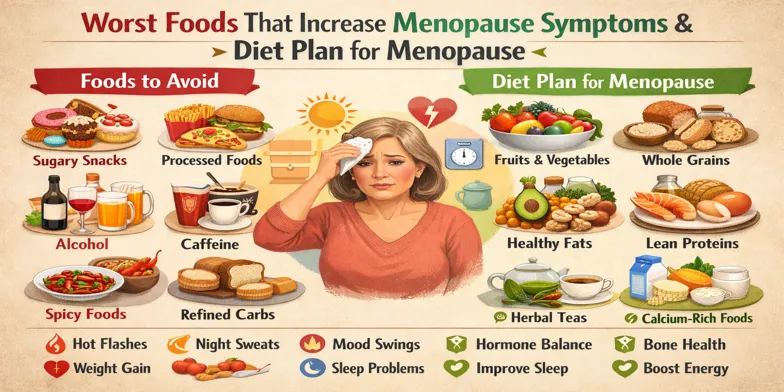
Worst Foods That Increase Menopause Symptoms & Diet Plan for Menopause

Menopause is not just the end of menstrual cycles—it is a major hormonal shift that affects almost every system in a woman’s body. During this phase, the level of estrogen (a key female hormone) starts to decline. This hormonal change doesn’t just affect your reproductive health, but also your metabolism, mood, sleep patterns, and body weight.

As a result, many women begin to notice sudden and uncomfortable changes in their daily life, such as:

  • Unexpected weight gain, especially around the belly
  • Frequent hot flashes and night sweats
  • Mood swings, irritability, or anxiety
  • Constant tiredness and low energy levels

These symptoms can feel frustrating and sometimes overwhelming—but the good news is that they can be managed effectively.

This is where a well-balanced diet plan for menopause becomes extremely important. According to experts at CatchHealth, dietician Nandini Sikka highlights that the right food choices can support hormone balance, improve energy levels, and reduce the intensity of menopause symptoms—without relying only on medications.

Instead of ignoring these changes, understanding what your body needs during this phase can help you feel more in control and healthier.

Understanding the Link Between Food and Menopause Symptoms

How Hormonal Changes Impact Your Body

During menopause, your body produces less estrogen. This hormone is responsible for regulating fat distribution, mood, and body temperature.

When estrogen drops:

  • Fat starts storing around the belly
  • Body temperature fluctuates (hot flashes)
  • Mood becomes unstable
  • Sleep quality decreases

Why Diet Plan for Menopause is So Powerful

Food directly impacts hormones. Eating the wrong foods can:

  • Increase inflammation
  • Disturb blood sugar levels
  • Trigger hormonal imbalance

On the other hand, a well-structured diet plan for menopause can:

  • Stabilize hormones
  • Improve metabolism
  • Reduce symptoms naturally

Worst Foods That Increase Menopause Symptoms

Understanding what NOT to eat is just as important as knowing what to eat.

1. Sugary Foods and Drinks

Sugar causes rapid spikes in blood sugar, which leads to energy crashes and mood swings.

Why it worsens menopause:

  • Increases belly fat
  • Causes fatigue
  • Triggers irritability

Examples:

Soft drinks, sweets, bakery items

2. Processed and Junk Foods

These foods are high in preservatives and unhealthy fats.

Why they are harmful:

  • Increase inflammation
  • Slow down metabolism
  • Make weight loss difficult

3. Excess Caffeine

While tea and coffee are common, too much caffeine can worsen symptoms.

Effects:

  • Poor sleep
  • Increased anxiety
  • More frequent hot flashes

4. Alcohol

Alcohol interferes with liver function and hormone regulation.

Effects:

  • Disturbs sleep cycle
  • Increases hot flashes
  • Leads to dehydration

5. Spicy and Oily Foods

These foods can raise your body temperature.

Effects:

  • Trigger sweating
  • Cause digestive discomfort
  • Increase irritation

Data Table: Foods to Avoid vs Their Impact on Menopause

Food Type What It Does to Your Body Symptom Triggered Risk Level
Sugary Foods Spikes blood sugar Mood swings, weight gain High
Junk Food Increases inflammation Fat gain, fatigue High
Caffeine Stimulates nervous system Anxiety, poor sleep Moderate
Alcohol Affects liver & hormones Hot flashes, insomnia High
Spicy/Oily Food Raises body temperature Sweating, discomfort Moderate

What You Should Eat for Hormone Balance

When it comes to managing menopause symptoms, what you eat every day plays a powerful role. A well-balanced diet plan for menopause is not about strict dieting—it’s about choosing the right foods that support your body during hormonal changes.

According to experts at CatchHealth, dietician Nandini Sikka recommends focusing on natural, home-cooked, and nutrient-rich foods that help balance hormones, improve energy, and prevent weight gain.

Let’s understand in detail what your body actually needs during menopause:

1. Fruits and Vegetables

Fruits and vegetables should form the base of your diet plan for menopause because they are packed with essential nutrients like fiber, vitamins, and antioxidants.

Why they are important:

  • Help reduce inflammation caused by hormonal imbalance
  • Improve digestion and gut health
  • Support natural hormone regulation
  • Keep you full for longer, helping in weight control

What to include:

  • Fruits: Apples, bananas, berries, papaya
  • Vegetables: Spinach, broccoli, carrots, beans

2. Calcium-Rich Foods (For Strong Bones)

During menopause, estrogen levels drop, which can weaken your bones and increase the risk of osteoporosis (bone loss). That’s why calcium becomes extremely important.

Why they are important:

  • Strengthen bones and joints
  • Reduce the risk of fractures
  • Support muscle function

What to include:

  • Milk, curd (yogurt), paneer
  • Almonds and sesame seeds

3. Protein-Rich Foods (For Weight and Muscle Health)

As you age, muscle mass naturally decreases, which slows down metabolism and leads to weight gain. Protein helps prevent this.

Why protein is important:

  • Maintains muscle strength
  • Boosts metabolism
  • Keeps you full and reduces cravings

What to include:

  • Eggs
  • Dal (lentils), chickpeas, beans
  • Paneer, tofu, or chicken

4. Healthy Fats (For Hormone Support)

Many people think fats are unhealthy, but the right kind of fats are essential—especially during menopause.

Why healthy fats are important:

  • Help in hormone production
  • Support brain health and mood stability
  • Reduce inflammation in the body

What to include:

  • Nuts (almonds, walnuts)
  • Seeds (flaxseeds, chia seeds)
  • Olive oil

5. Whole Grains (For Energy and Blood Sugar Control)

Whole grains are much better than refined carbs because they digest slowly and keep your blood sugar stable.

Why they are important:

  • Prevent sudden energy crashes
  • Help control weight
  • Improve digestion due to high fiber

What to include:

  • Oats
  • Brown rice
  • Whole wheat roti

Final Insight: Build a Balanced Plate

A successful diet plan for menopause is all about balance. Your daily plate should include:

  • Fiber (fruits & vegetables)
  • Protein (dal, eggs, paneer)
  • Healthy fats (nuts & seeds)
  • Complex carbs (whole grains)

By combining these nutrients in the right way, you not only reduce menopause symptoms but also improve your overall health and energy levels.

Simple 1-Day Diet Plan for Menopause

This is a practical diet plan for menopause you can follow:

Morning

  • Warm water with lemon
  • Oats or vegetable poha

Mid-Morning

  • 1 fruit + nuts

Lunch

  • 2 roti or brown rice
  • Dal/paneer
  • Vegetables

Evening

  • Buttermilk or herbal tea
  • Roasted snacks

Dinner

  • Light khichdi or soup
  • Steamed vegetables

Lifestyle Tips to Support Your Diet Plan for Menopause

A healthy diet plan for menopause works best when combined with the right lifestyle habits. Food alone is not enough—your daily routine, activity level, stress, and sleep all play a major role in how your body responds during menopause.

According to experts at CatchHealth, dietician Nandini Sikka emphasizes that small lifestyle changes can significantly reduce menopause symptoms and improve overall well-being.

Let’s understand these lifestyle tips in detail:

1. Stay Active (Boost Metabolism and Control Weight)

Physical activity is one of the most effective ways to manage menopause symptoms. During menopause, metabolism naturally slows down, which makes weight gain easier—especially around the belly area.

Why staying active is important:

  • Helps burn calories and control weight gain
  • Improves mood by releasing “feel-good” hormones
  • Reduces stress and anxiety
  • Improves heart and bone health

What you can do:

  • Walk for at least 30 minutes daily
  • Try light exercises like yoga or stretching
  • Include strength training 2–3 times a week

2. Manage Stress (Control Hormonal Imbalance)

Stress has a direct impact on your hormones. High stress levels increase cortisol (stress hormone), which can worsen menopause symptoms like mood swings, weight gain, and sleep problems.

Why stress management is important:

  • Helps balance hormones naturally
  • Reduces irritability and anxiety
  • Improves emotional well-being

What you can do:

  • Practice meditation for 10–15 minutes daily
  • Try deep breathing exercises
  • Spend time doing activities you enjoy (reading, music, walking)

3. Sleep Well (Essential for Recovery and Hormone Balance)

Sleep problems are very common during menopause due to night sweats, anxiety, and hormonal changes. Poor sleep can make all symptoms worse.

Why good sleep is important:

  • Helps regulate hormones
  • Improves energy levels
  • Reduces mood swings and fatigue

What you can do:

  • Aim for 7–8 hours of sleep every night
  • Avoid mobile screens before bedtime
  • Keep your room cool and comfortable
  • Avoid caffeine in the evening

4. Stay Hydrated (Control Hot Flashes and Energy Levels)

Water plays a key role in regulating body temperature and keeping your body functioning properly—especially during menopause.

Why hydration is important:

  • Helps reduce hot flashes and sweating
  • Improves digestion
  • Keeps skin healthy
  • Maintains energy levels

What you can do:

  • Drink at least 7–8 glasses of water daily
  • Include coconut water, herbal teas, or buttermilk
  • Avoid sugary drinks and excess caffeine

Common Mistakes Women Make During Menopause

Many women unknowingly worsen their symptoms:

  • Skipping meals
  • Eating too much sugar
  • Ignoring protein
  • Relying on processed food
  • Drinking less water

Avoiding these mistakes makes your diet plan for menopause more effective.

Expert Advice by Dietician Nandini Sikka

Dietician Nandini Sikka from CatchHealth suggests focusing on consistency instead of extreme dieting.

Her key advice:

  • Eat home-cooked meals
  • Avoid processed food
  • Maintain portion control
  • Stay physically active

Following these simple habits can naturally improve menopause symptoms over time.

Frequently Asked Questions

Q1. Can a diet plan for menopause really help?

Yes, it helps balance hormones and reduce symptoms like hot flashes and weight gain.

Q2. What foods should be avoided?

Sugar, junk food, caffeine, alcohol, and spicy foods.

Q3. Can I lose weight during menopause?

Yes, with a proper diet plan for menopause and regular exercise.

Q4. How long does it take to see results?

With consistency, you may see improvements within a few weeks.

Conclusion:

Menopause is a natural phase of life, but how you experience it largely depends on your daily choices. While hormonal changes are unavoidable, the intensity of symptoms like weight gain, hot flashes, and low energy can be managed effectively with the right approach.

By avoiding trigger foods and following a well-balanced diet plan for menopause, you can support your body, stabilize hormones, and feel more in control of your health. Simple changes like eating clean, staying active, and maintaining a healthy routine can make a noticeable difference in how you feel every day.

According to experts at CatchHealth, dietician Nandini Sikka emphasizes that consistency is the key. You don’t need extreme diets—just a sustainable and practical lifestyle that works for you.

Remember, menopause is not the end of your health journey—it’s the beginning of a new phase where taking care of your body becomes even more important.

Start with small steps today, stay consistent, and over time, these habits will lead to better energy, improved mood, and long-term well-being.

Nandini Sikka
Content Medically Approved by

Dt. Nandini Sikka

Welcome to the world of Dt. Nandini Sikka, a highly experienced and dedicated nutritionist who has transformed the lives of thousands of clients. With 6 years of expertise in the field, Nandini is here to guide you on your journey towards better health and wellness.

Struggling With Weight Gain? Best Weight Loss Diet Plan Delhi Guide

Weight loss is not just about eating less — it’s about eating right. Many people in Delhi follow random diet trends but fail to see results because those plans are not personalized.

A scientifically designed weight loss diet plan Delhi can help you lose fat, improve metabolism, and maintain long-term health.

At CatcHealth, Dietician Nandini Sikka creates customized diet plans based on your body type, lifestyle, and goals—ensuring safe and sustainable results.

What Is a Weight Loss Diet Plan and Why Do You Need It?

A weight loss diet plan is a structured nutritional guide designed to help you reduce excess body fat while maintaining muscle and energy levels.

Why generic diets fail:

  • Not customized for your body
  • Ignore lifestyle habits
  • Lead to temporary results

Why expert plans work:

  • Personalized calorie control
  • Balanced nutrients
  • Sustainable lifestyle changes

If you are searching for a weight loss nutritionist near me, choosing an expert like Dietician Nandini Sikka ensures you get a plan tailored specifically for you.

Top Reasons Why People Fail to Lose Weight in Delhi

Understanding your mistakes is the first step toward success.

1. Following Random Internet Diets

Many people follow crash diets found online.

Problem:

  • Nutritional imbalance
  • Temporary weight loss
  • Quick regain

2. Skipping Meals

Skipping meals slows down metabolism instead of boosting it.

3. Lack of Physical Activity

A sedentary lifestyle is one of the biggest reasons for weight gain.

4. Emotional Eating

Stress and busy urban life often lead to unhealthy eating habits.

5. No Professional Guidance

Without expert advice, your diet lacks structure and effectiveness.

At CatcHealth, Dietician Nandini Sikka identifies these issues and creates a sustainable best diet plan for weight loss Delhi.

How Dietician Nandini Sikka Creates the Best Weight Loss Diet Plan Delhi

Personalized Process:

StepDescription
AssessmentBMI & body analysis
Lifestyle CheckRoutine & eating habits
Medical ReviewHealth conditions
Diet PlanningCustomized meals
MonitoringWeekly tracking

This makes CatcHealth a trusted choice for the best diet plan for weight loss Delhi.

Every plan at CatcHealth is personalized and result-oriented.

Step-by-step approach:

  1. Body analysis & BMI check
  2. Lifestyle and eating habits evaluation
  3. Medical history review
  4. Customized meal planning
  5. Weekly progress tracking

What makes it unique:

  • No crash dieting
  • No extreme restrictions
  • Focus on real food
  • Long-term sustainability

This is why CatcHealth is trusted by people searching for a reliable weight loss nutritionist near me.

Sample Weight Loss Diet Plan Delhi (Daily Routine)

Morning Routine

  • Warm water with lemon
  • Soaked almonds (5–6)

Breakfast

  • Oats with fruits / Vegetable poha
  • Green tea

Mid-Morning Snack

  • Seasonal fruit

Lunch

  • 2 chapatis + dal + sabzi + salad

Evening Snack

  • Roasted makhana / sprouts

Dinner

  • Light meal (soup + salad / grilled paneer)

Before Bed

  • Herbal tea

This is a general structure. Your personalized weight loss diet plan Delhi may vary based on your body needs.

Benefits of Following a Professional Weight Loss Diet Plan

1. Healthy Fat Loss

Lose fat without muscle loss.

2. Improved Metabolism

Your body burns calories more efficiently.

3. Better Energy Levels

No weakness or fatigue.

4. Sustainable Results

No weight regain.

5. Improved Overall Health

Better digestion, sleep, and immunity.

When Should You Consult a Weight Loss Nutritionist Near Me?

You should consult an expert if:

  • You are unable to lose weight despite efforts
  • You have thyroid, PCOS, or diabetes
  • You gain weight quickly
  • You feel low energy or fatigue
  • Your BMI is above normal

Dietician Nandini Sikka at CatcHealth provides personalized guidance for all such conditions.

Diet Plans for Different Weight Loss Goals

1. Quick Fat Loss Plan

For short-term goals like events.

2. Long-Term Weight Management Plan

For sustainable lifestyle changes.

3. Medical Weight Loss Plan

For PCOS, thyroid, diabetes patients.

4. Post-Pregnancy Weight Loss Plan

Safe and gradual fat loss.

Cost of Weight Loss Diet Plan Delhi

Service TypeEstimated Cost (INR)
Consultation₹500 – ₹1,500
Monthly Diet Plan₹3,000 – ₹8,000
3-Month Program₹8,000 – ₹20,000

Prices may vary based on customization and health conditions at CatcHealth.

Lifestyle Tips to Boost Your Weight Loss Journey

  • Drink at least 2–3 liters of water daily
  • Avoid processed and junk food
  • Maintain a regular sleep cycle
  • Exercise 4–5 times a week
  • Practice mindful eating

Consistency is more important than perfection.

Why Choose CatcHealth for the Best Diet Plan for Weight Loss Delhi?

  • Experienced Dietician Nandini Sikka
  • Customized diet plans
  • Online & offline consultation
  • Proven results
  • Continuous support

If you’re searching for the best diet plan for weight loss Delhi, CatcHealth offers a complete solution tailored to your needs.

Take the First Step Toward a Healthier You Today

If you are tired of trying random diets and not seeing results, it’s time to switch to a scientifically designed weight loss diet plan Delhi.

Book your consultation with Dietician Nandini Sikka at CatcHealth today and start your transformation journey.

Frequently Asked Questions

Q1. How fast can lose weight with a diet plan?

Healthy weight loss is around 2–4 kg per month.

Q2. Is dieting safe for everyone?

Yes, if it is properly planned by a professional.

Q3. Do I need to exercise with the diet plan?

Yes, a combination of diet and exercise gives best results.

Q4. Can I follow the plan while working?

Yes, plans are designed according to your lifestyle.

Q5. How do I find the best weight loss nutritionist near me?

Look for certified experts like Dietician Nandini Sikka at CatcHealth.

Conclusion

Weight loss is a journey that requires the right strategy, consistency, and expert guidance. Following a personalized weight loss diet plan Delhi can help you achieve your goals without harming your health.

With CatcHealth by Dietician Nandini Sikka, you get a customized, practical, and sustainable approach to weight loss.

Don’t wait for tomorrow—start your transformation today with the best diet plan for weight loss Delhi and take control of your health.

Nandini Sikka
Content Medically Approved by

Dt. Nandini Sikka

Welcome to the world of Dt. Nandini Sikka, a highly experienced and dedicated nutritionist who has transformed the lives of thousands of clients. With 6 years of expertise in the field, Nandini is here to guide you on your journey towards better health and wellness.

7 Din Me Fat Burn Karne Ke Liye Kya Khaen?

Are you wondering what to eat to burn fat in 7 days? Many people want quick results, but the key is to eat smart, stay consistent, and focus on nutrient-rich foods. This guide provides a 7-day fat loss plan, expert tips, and actionable advice to help you kickstart fat burn safely and effectively.

For personalized guidance, you can consult Dietitian Nandni Sikka, who tailors diet plans based on your metabolism, lifestyle, and goals for faster results.

How Fat Loss Works in 7 Days

Burning fat in just 7 days is possible, but it requires understanding how your body uses calories. The key principle is creating a calorie deficit—this means eating fewer calories than your body burns for energy. When your body doesn’t get enough calories from food, it starts using stored fat as energy, which leads to fat loss.

But it’s not just about eating less. You need to eat smart and stay nourished, so you can feel energized and maintain muscle mass. Here’s how you can do it:

1. Focus on Protein

Protein is essential for preserving lean muscle while your body burns fat. Lean muscles are metabolically active, meaning they help burn more calories even at rest.
Examples: Eggs, chicken, fish, paneer, tofu, lentils.

2. Include Fiber and Stay Hydrated

Fiber-rich foods like vegetables, fruits, and whole grains help you feel full for longer, preventing overeating. Drinking plenty of water also supports digestion, helps flush out toxins, and keeps your metabolism active.

3. Avoid Empty Calories

Sugary drinks, fried foods, and processed snacks provide calories without nutrition, which can slow down your fat loss progress. Replacing these with healthy alternatives ensures you burn fat without starving yourself.

Everyone’s body is different. Dietitian Nandni Sikka can create a personalized meal plan with the right portions, food combinations, and timing to maximize fat burn while keeping you satisfied and energized.

7-Day Fat Burn Meal Plan

Here’s a practical daily plan to guide your meals for the next 7 days:

Day 1 – Light Start

  • Morning: Warm lemon water + 5–6 soaked almonds
  • Breakfast: Oats with berries and chia seeds
  • Snack: 1 apple + green tea
  • Lunch: Brown rice + dal + steamed vegetables
  • Evening Snack: Roasted makhana (fox nuts)
  • Dinner: Grilled paneer or chicken with steamed vegetables

Day 2 – Protein Focus

  • Morning: Warm water + 5 almonds
  • Breakfast: 2 boiled eggs + multigrain toast
  • Snack: Coconut water + 1 fruit
  • Lunch: Quinoa + lentils + salad
  • Evening Snack: Roasted chickpeas or sprouts
  • Dinner: Grilled fish or tofu with steamed vegetables

Day 3 – Fiber-Rich Meals

  • Morning: Lemon water
  • Breakfast: Vegetable poha + green tea
  • Snack: Papaya or orange
  • Lunch: Brown rice + dal + vegetable curry
  • Evening Snack: Mixed nuts
  • Dinner: Grilled tofu + stir-fried vegetables

Day 4 – Lean Protein Focus

  • Morning: Warm water + almonds
  • Breakfast: Vegetable omelette + multigrain toast
  • Snack: Buttermilk + fruit
  • Lunch: Chicken salad or paneer salad with multigrain roti
  • Evening Snack: Roasted makhana
  • Dinner: Steamed fish or dal with vegetables

Day 5 – Balanced Nutrition

  • Morning: Lemon water
  • Breakfast: Smoothie with spinach, banana, and protein powder
  • Snack: 1 fruit + green tea
  • Lunch: Multigrain roti + dal + sautéed vegetables
  • Evening Snack: Sprouts salad
  • Dinner: Grilled chicken or paneer + light salad

Day 6 – Detox & Light Meals

  • Morning: Warm lemon water
  • Breakfast: Oats porridge with fruits
  • Snack: Buttermilk or green tea
  • Lunch: Brown rice + vegetable curry
  • Evening Snack: Roasted chickpeas
  • Dinner: Light vegetable soup or grilled vegetables

Day 7 – Controlled Cheat Meal

  • Morning: Lemon water + almonds
  • Breakfast: Poha or oats + green tea
  • Snack: Fruit or sprouts
  • Lunch: Balanced meal — rice/roti + dal + vegetables
  • Evening Snack: Light roasted nuts
  • Dinner: Grilled chicken/fish + vegetables

Foods to Include for Fat Burn

  • Proteins: Eggs, chicken, paneer, tofu, lentils
  • Fiber: Oats, whole grains, vegetables, fruits
  • Healthy Fats: Almonds, walnuts, chia seeds, flaxseeds
  • Metabolism Boosters: Green tea, lemon water

Foods to Avoid

  • Sugary drinks, sodas, and packaged juices
  • Fried and processed foods
  • White bread, pasta, and refined grains
  • High-sugar desserts and snacks

Lifestyle Tips

  1. Drink 2–3 liters of water daily
  2. Light exercise (walking, yoga, home workouts)
  3. Eat smaller, frequent meals
  4. Avoid skipping breakfast
  5. Sleep 7–8 hours

Common Mistakes to Avoid

  • Skipping meals → slows metabolism
  • Excessive cheat meals → prevents calorie deficit
  • Relying only on exercise → diet is key
  • Eating late at night → reduces fat burn efficiency
  • Not tracking portions → leads to overeating

Expected Results After 7 Days

  • Slight reduction in belly bloating
  • Increased energy and focus
  • Reduced cravings for sugar and fried foods
  • Clothes may feel looser
  • Improved mental clarity

Who Should Follow This Diet Plan?

  • Beginners wanting a 7-day fat burn jumpstart
  • People seeking healthy, home-based meals
  • Those wanting to boost metabolism and energy
  • Anyone aiming to develop sustainable eating habits

Frequently Asked Questions

Q1. Can I burn fat in 7 days?

Yes, visible changes are possible with proper diet and portion control. Expert guidance can make results faster and safer.

Q2. Can I eat rice or roti?

Yes, prefer brown rice or multigrain roti. Dietitian Nandni Sikka can help adjust portions for your goals.

Q3. Can I exercise while following this plan?

Yes, light exercises complement fat loss. Professional advice ensures exercises match your diet.

Q4. Can I drink coffee or tea?

Yes, but limit sugar. Green tea is recommended for metabolism boost.

Q5. Can I have cheat meals?

Yes, one small treat is allowed. Consult Dietitian Nandni Sikka for a plan that balances cheat meals safely.

Conclusion

The “7 Din Me Fat Burn Karne Ke Liye Kya Khaen?” diet plan is simple, realistic, and highly effective when followed consistently. By focusing on lean proteins, fiber-rich foods, and healthy fats, while avoiding processed and sugary items, you can kickstart fat loss in just 7 days.

However, everyone’s body is different, and factors like metabolism, lifestyle, and underlying health conditions play a major role in results. That’s why consulting a professional dietitian can make a huge difference.

Dietitian Nandni Sikka specializes in creating personalized weight loss and fat burn plans based on your body type, dietary preferences, and health goals. She can guide you on meal timing, portion sizes, and the right combination of foods to maximize fat burn safely and sustainably.

If you want fast, safe, and long-lasting results, booking a session with Dietitian Nandni Sikka is highly recommended. With expert guidance, you can not only achieve visible fat loss in a week but also develop healthy eating habits that last a lifetime.

Take the first step today—consult Dietitian Nandni Sikka and start your personalized 7-day fat burn plan!

Nandini Sikka
Content Medically Approved by

Dt. Nandini Sikka

Welcome to the world of Dt. Nandini Sikka, a highly experienced and dedicated nutritionist who has transformed the lives of thousands of clients. With 6 years of expertise in the field, Nandini is here to guide you on your journey towards better health and wellness.

Diet Plan for Weight Gain: Foods, Meal Plan & Daily Tips Guide

Struggling to gain weight despite eating regularly? You’re not alone. Many people find it difficult to increase weight due to fast metabolism, poor diet planning, or poor eating habits.

A well-structured diet plan for weight gain helps you gain healthy weight by focusing on nutrient-rich foods, proper calorie intake, and balanced meals—not just junk food. In this Complete guide, you’ll discover the best foods, meal plans, and practical tips to gain weight safely and effectively.

Build Your Weight Gain Diet: What to Eat and Why

A successful diet plan for weight gain is built on three core pillars — calorie surplus, nutrient density, and meal timing. You need to consume more calories than your body burns — typically 300-500 extra calories per day for gradual healthy gain.

Your daily macronutrient targets:

  • Protein: 1.5-2g per kg of body weight — builds and repairs muscle tissue
  • Carbohydrates: 50-60% of total calories — primary energy source for body and brain
  • Healthy Fats: 20-30% of total calories — supports hormone production and calorie density

Foods to Eat for Healthy Weight Gain

Choosing the right foods to eat is key to a successful diet plan for weight gain. Focus on nutrient-rich, high-calorie foods that support muscle growth and energy.

Protein-Rich Foods

  • Eggs — complete protein with healthy fats
  • Chicken — lean protein for muscle building
  • Paneer and tofu — great vegetarian options

Complex Carbohydrates

  • Rice — high-calorie and easy to digest
  • Whole wheat roti and bread — sustained energy
  • Oats — rich in fibre and nutrients

Healthy Fats

  • Nuts — almonds, cashews, walnuts
  • Peanut butter — calorie-dense and easy to add
  • Ghee or olive oil — increases calorie intake

High-Calorie Nutrient-Dense Snacks

  • Mixed nuts and dried fruits
  • Peanut butter toast
  • Full-fat yogurt with banana

Including these foods consistently in your daily diet plan for weight gain ensures you hit your calorie targets without compromising on nutrition.

Foods to Avoid for Healthy Weight Gain

Not all calories are equal. These foods add weight in the wrong way:

  • Sugary beverages — sodas, packaged juices — empty calories with zero nutrition
  • Processed junk food — chips, biscuits, instant noodles — high in sodium and trans fats
  • Refined sugar — causes fat accumulation without muscle building
  • Alcohol — interferes with nutrient absorption and muscle recovery
  • Skipping meals — creates a calorie deficit that works against your weight gain goal

Avoiding these foods ensures your calorie surplus comes from quality nutrition rather than empty calories that harm long-term health.

7-Day Healthy Weight Gain Meal Plan

Weight Gain 7-Day Meal Plan (Non-Vegetarian)

DayBreakfastLunchDinnerSnacks
Day 13 eggs + 2 whole wheat toast + bananaRice + dal + chicken curry + saladRoti + paneer sabzi + curdPeanut butter toast + milk
Day 2Oats with milk + nuts + honeyRice + rajma + salad + curdRoti + egg curry + dalMixed nuts + banana
Day 3Banana smoothie + boiled eggsChicken rice bowl + dal + saladRoti + fish curry + vegetablesCheese toast + juice
Day 4Paratha + curd + fruitRice + chana masala + chickenRoti + paneer + dalEnergy balls + milk
Day 5Eggs + toast + mango shakeRice + dal + mutton curryRoti + mixed vegetables + curdNuts + dried fruits
Day 6Poha + boiled eggs + juiceRice + dal makhani + chickenRoti + egg bhurji + saladPeanut butter + banana
Day 7Idli + sambar + boiled eggsRice + fish + dal + saladRoti + paneer + vegetablesFull-fat yogurt + nuts

7-Day Vegetarian Indian Diet Chart for Weight Gain

DayBreakfastLunchDinnerSnacks
Day 1Oats + milk + banana + almondsRice + dal + paneer sabzi + curdRoti + mixed dal + saladPeanut butter toast + milk
Day 2Paratha + curd + fruit bowlRice + rajma + salad + curdRoti + palak paneer + dalMixed nuts + banana smoothie
Day 3Banana smoothie + peanut butter toastRice + chana masala + vegetablesRoti + tofu sabzi + curdCheese toast + juice
Day 4Poha + nuts + full-fat milkRice + dal makhani + paneerRoti + mixed vegetables + dalEnergy balls + milk
Day 5Idli + sambar + coconut chutneyRice + sambhar + avialRoti + paneer butter masalaNuts + dried fruits
Day 6Upma + boiled eggs alternative (tofu scramble)Rice + kadhi + sabziRoti + dal + raitaPeanut butter + banana
Day 7Moong dal chilla + curd + juiceRice + lobia curry + saladRoti + paneer + mixed dalFull-fat yogurt + granola

Tips for Healthy and Safe Weight Gain

Healthy weight gain is about building strength and energy, not just increasing body fat. Making the right food and lifestyle choices is important.

  • Avoid junk food-based weight gain
  • Focus on protein and nutrient-rich foods
  • Combine diet with regular exercise
  • Get enough sleep and rest

A balanced approach helps you gain weight safely while improving overall fitness and well-being.

Weight Gain Exercise: Build Muscle, Not Just Fat

Exercise plays a essential role in any effective diet plan for weight gain. It helps ensure that the extra calories contribute to muscle growth rather than fat.

  • Strength training — squats, deadlifts, bench press 3-4 times per week
  • Progressive overload — gradually increase weights to continuously challenge muscles
  • Limit excessive cardio — burns the calories you are trying to consume
  • Rest and recovery — muscles grow during rest, not during the workout itself

Regular exercise improves strength, boosts metabolism, and helps build lean muscle for healthy weight gain.

Do’s and Don’ts in a Diet Plan for Weight Gain

Do’sDon’ts
Eat calorie-dense, nutrient-rich foodsEat junk food for empty calories
Include protein in every mealSkip meals or go long without eating
Strength train 3-4 times per weekDo excessive cardio
Add healthy fats to every mealDrink sugary beverages
Track calorie intake dailyRush the process — consistency wins
Sleep 7-8 hours for muscle recoveryIgnore portion sizes of healthy foods

When to Consult a Doctor or Dietitian

A diet plan for weight gain works differently for everyone. Consult a qualified dietitian or doctor if:

  • You have been underweight for an extended period without a clear cause
  • You have a medical condition affecting appetite or nutrient absorption
  • You are not seeing results after 4-6 weeks of consistent effort
  • You experience digestive issues, fatigue, or discomfort with your current diet
  • You want a personalised meal plan tailored to your body type, health status, and goals

Professional guidance ensures your weight gain is healthy, sustainable, and medically safe — not just a short-term calorie spike.

Frequently Asked Questions

1. How to gain 5 kg in 30 days?

Gaining 5 kg in 30 days requires a daily calorie surplus of 500-700 calories above your maintenance level combined with strength training 3-4 times per week. 

2. Which foods gain weight fastest?

High-calorie foods like nuts, peanut butter, dairy products, and rice help gain weight faster. Including them daily can boost your calorie intake easily.

3. How do I get 3000 calories a day?

plit 3000 calories across 5-6 meals — three main meals and two to three snacks. Include rice or roti, protein sources like eggs or paneer, healthy fats like ghee or peanut butter, and calorie-rich beverages like full-fat milk or smoothies.

4. What foods trigger weight gain?

Foods rich in calories like dairy, carbs, and healthy fats support weight gain. Balanced intake ensures healthy and sustainable results.

5. What’s the highest calorie food?

Nuts, oils, and peanut butter are among the highest calorie foods. They provide dense energy even in small portions.

Conclusion

A well-planned structured diet plan for weight gain can help you achieve healthy and sustainable results. By focusing on nutrient-rich foods, regular meals, and proper exercise, you can gain weight safely and improve overall health.

If you are looking for a personalised weight gain plan designed specifically for your body and health needs, Dt. Nandini — Best Dietician and Nutritionist in Delhi NCR — provides expert, science-backed nutrition guidance to help you reach your weight goals safely and effectively.

Nandini Sikka
Content Medically Approved by

Dt. Nandini Sikka

Welcome to the world of Dt. Nandini Sikka, a highly experienced and dedicated nutritionist who has transformed the lives of thousands of clients. With 6 years of expertise in the field, Nandini is here to guide you on your journey towards better health and wellness.
Call Now WhatsApp