Festival Season Special: How to Enjoy Sweets Without Gaining Weight

Festival season fills life with happiness, family time, and often leads to eating too many traditional treats. Many worry about putting on weight during this time, but with smart habits and expert help, you can enjoy it without giving up on your fitness goals. Seeking advice from a nutritionist for weight loss can make festivals both joyful and healthy by keeping your wellness on track.

Festivals are more than just food – they are about traditions, bonding, and celebrating. The trick is to focus on balance and make thoughtful decisions about what you eat. This guide gives you simple, proven tips to help you celebrate festivals and still feel good about taking care of your health.

Understanding the Challenge of Festival Sweets During Celebrations

Festival sweets hold a special place in our traditions. They symbolize happiness, wealth, and the joy of coming together. Yet, these classic desserts often pack a lot of refined sugar, ghee, and processed stuff, which can mess up attempts to stay fit. A single piece of a festival sweet has about 150 to 300 calories, and some fancy ones even have more.

The way people approach food during festivals adds another layer of difficulty. Social expectations, the emotional pull of celebratory meals, and thinking of it all as a “special occasion” often make them eat more than usual. Studies indicate that during festivals, people eat around 30 to 40 percent more calories than on normal days. This extra eating can lead to a weight gain of about 2 to 5 pounds over a typical festive season.

To tackle these issues, it helps to understand them first. Instead of avoiding festive treats , the aim is to enjoy them thoughtfully while keeping health goals and weight in check.

Proven Weight Management Strategies for Festival Season

Good preparation plays a big part in keeping your weight on track during celebrations. Begin by having a meal rich in protein before heading out to parties. A meal like this can help you stay full longer and make it easier to avoid overeating sugary treats. Consider eating foods such as lean proteins, nuts, or Greek yogurt, as they keep energy levels steady and help you feel satisfied.

Weight management during festivals depends a lot on timing. Eat sweets earlier in the day when your body can handle calories better. Skip sweets late at night because your metabolism slows down by then giving your body less time to deal with them.

Staying hydrated matters more during festivals. Drinking water before eating or during parties helps with digestion and keeps your appetite in check. Swap sugary drinks for things like herbal tea infused water, or fresh coconut water. These swaps cut calories while still letting you enjoy the festivities.

Keeping active during festival time is important too. Do things like traditional dances, take morning walks, or walk between celebrations to burn some extra calories. Just 20-30 minutes of moving around can make it easier to manage your weight while still enjoying the festival season.

Creating Healthy Festival Sweets at Home

Making sweets at home for festivals lets you pick your own ingredients while keeping traditional tastes and their cultural importance. These recipes stick to healthier options by using natural sweeteners like dates, jaggery, or stevia instead of refined sugar. This change lowers the sugar’s effect on blood sugar and still keeps the flavors intact.

Swap out regular refined flour with healthier flours like almond, oat, or whole wheat. These choices add more fiber, help you feel full, and pack in nutrients that are often missing from the usual recipes. To boost nutrition and make you feel satisfied, you can also mix in some protein powder.

To improve your homemade sweets, add nuts, seeds, and dried fruits. Almonds, walnuts, chia seeds, and dates have healthy fats, protein, and fiber. These nutrients help keep blood sugar steady and avoid energy dips from sugary treats.

Swap out oil or ghee with Greek yogurt, applesauce, or mashed bananas to keep sweetness moist. These swaps cut down on calories while adding more nutrients and keeping the texture just right.

Festival Food Nutrition: Making Informed Choices

Knowing about the nutrition of festive foods helps you choose sweets that fit your health goals. Traditional festival treats differ a lot in their nutrition. Learning about these differences allows you to enjoy them more without risking your health.

Choose sweets with ingredients like nuts, seeds, or whole grains. These give you more nutrients instead of just empty calories. Options such as til laddu dry fruit barfi, or sweets made from oats are healthier than desserts that are sugar.

Look at how the food is made when you think about what to eat during festivals. Foods that are steamed or baked have less calories than those that are fried in oil. It’s better to pick steamed or baked items like dhokla, idli-based sweets, or baked snacks instead of fried ones like jalebi or gulab jamun whenever you can.

Keep an eye on how much you’re eating and how it’s served. Traditional sweets are often meant to be shared with others, not eaten by one person in larger amounts. Stick to this idea by taking smaller portions to enjoy and instead of eating too much too fast.

Stay Healthy and Energized This Festival Season

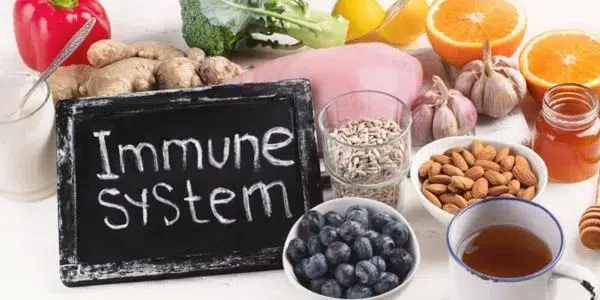
Using superfoods for stronger immunity can help your body stay strong despite festival treats. These foods are rich in nutrients that support metabolism, lower inflammation, and fill the gap in vitamins and minerals often missing when sugar intake goes up.

Turmeric is a standout choice and fits well into festive cooking. It has anti-inflammatory qualities that help balance the effects of too much sugar. You can mix turmeric into traditional recipes, milk-based desserts, or even golden milk to add both taste and health benefits.

Nuts and seeds are a type of superfood that help boost immunity while fitting well into festive traditions. Almonds, walnuts, pumpkin seeds, and chia seeds are good sources of omega-3 fatty acids, vitamin E, and zinc. These nutrients are important to keep your immune system strong. You can enjoy them on their own as snacks or add them to sweet dishes made for celebrations.

Green tea and herbal teas help the body remove toxins and contain antioxidants to fight harmful free radicals that can increase from eating too much sugar. Swap out sugary drinks with these healthier options to stay healthier during festivals.

Expert Tips for Managing Cholesterol Effectively

Keeping cholesterol in check during festival time needs careful planning for people with heart conditions. Dieticians for Cholesterol Management in Delhi can create tailored plans to help people enjoy festivities without harming their heart health.

To lower cholesterol, eat foods high in fiber that help the body remove it. Meals should include oats, barley, beans, and vegetables to balance out the cholesterol-boosting effects of ghee and other saturated fats used in holiday desserts.

Pick sweets made with healthier oils like olive oil or avocado oil when you can. While traditional recipes hold cultural importance, tweaking them with these alternatives can offer the same flavor while being kinder to your heart.

Watch portion sizes because even healthy festival treats can raise cholesterol if eaten in large amounts. Dieticians for Cholesterol Management in Delhi often suggest eating one or two small pieces of sweets during festivals and prioritizing quality over quantity.


Your Wellness Journey Begins Here

Guidance for a Healthier and Balanced Lifestyle

Seeing a Lifestyle Management Dietician in Delhi gives you steady guidance and motivation through the tough festival season. These experts respect the role food plays in celebrations and offer realistic tips to stick to health goals.

A Lifestyle Management Dietician in Delhi creates custom meal plans that fit festival festivities while helping with weight control. This might involve planning your calorie intake so you eat less on regular days to balance out the extra calories from festival treats.

Professional help matters a lot to people dealing with diabetes, high blood pressure, or other medical issues that need strict diet control. A skilled health expert can offer adjustments to enjoy cultural celebrations without putting health at risk.

Nutritional Comparison of Popular Festival Sweets

Sweet NameCalories (per piece)Sugar (g)Fat (g)Protein (g)Healthier Alternative
Gulab Jamun25035124Baked version with dates
Jalebi1502582Whole wheat with jaggery
Rasgulla1202026Reduced sugar version
Barfi1802295Nut-based with stevia
Laddu20028104Oat and date version
Kheer1602464Almond milk preparation

Case Study: Patient Success Stories

Case Study 1: Managing Festival Season Successfully

Geeta, a 35-year-old professional from East Delhi, faced a yearly challenge of gaining weight during festival times. She consulted a nutrition expert and developed a plan to enjoy the festivities while holding on to her 15-pound weight loss.

Her plan focused on eating protein-packed breakfasts on festival days, cutting sweets down to just one small treat per event, and adding in 30 minutes of walking or dancing during celebrations. Over two festive seasons, she kept her weight steady with a 2-pound fluctuation while still enjoying cultural events.

Case Study 2: Cholesterol Management During Festivals

Deepak, a 45-year-old businessman with high cholesterol, teamed up with a diet expert to create a plan for festival meals. He prioritized sweets made with nuts and avoided fried foods. He also added more fiber to his diet by eating vegetables and whole grains.

Over three festival seasons, Deepak stuck to these habits. His cholesterol stayed steady, and he had more energy during celebrations. His experience shows people with health issues can enjoy festivals by planning ahead and seeking advice from experts.

Frequently Asked Questions

Q: How many sweets can I enjoy during festivals without putting on weight?
A: The exact number varies based on how many calories your body burns and your daily physical activity. Sticking to one or two small sweets on the day of celebration while staying active can help you avoid extra weight. Try enjoying the flavor of each sweet instead of eating too many at once.

Q: Are sweets made at home always healthier than those from stores?
A: You can control the ingredients in homemade sweets, which often makes them healthier. Using natural sugars less oil, and whole grains can improve them . Still how nutritious they are depends on what you use and how you make them.

Q: Can people with diabetes enjoy festival sweets without harm?
A: People with diabetes can still join in on festival treats by planning ahead and following medical advice. It helps to pick sweets with natural sugar substitutes, eat smaller amounts, keep a close eye on blood sugar, and pair treats with some physical activity to better control blood sugar levels.

Q: What if I overeat during a festival?
A: Don’t stress or make extreme diet changes the next day. Go back to your normal meal routine, drink more water, do light exercise, and eat foods packed with nutrients. Overeating for one day won’t ruin your progress as long as you return to healthy choices.

Q: How do I manage pressure from others to eat more sweets during festivals?
A: Plan how you’ll respond, like saying, “I’m enjoying this one for now” or “I want to save room to enjoy everything.” Shift your attention to spending time with people instead of focusing on food. You could also bring a healthy dish that fits in with your own eating habits.

Conclusion

You can enjoy festival treats without worrying about putting on weight if you use smart strategies and have the right approach. The secret is preparing ahead, eating , and creating a good balance instead of avoiding things . By controlling portions, picking healthier options, and staying active during festive times, you can celebrate traditions while still working toward your fitness goals.

Keep in mind that festivals come and go, but your health journey is something that lasts much longer. Getting help from experts like a nutritionist to lose weight or dieticians with specific expertise can give you useful guidance and tailored plans to handle tough times .

The aim isn’t to be perfect. It’s about figuring out a way to stay healthy while still enjoying these cultural moments. By planning ahead and choosing , you can enjoy festival treats in a way that strengthens both your cultural ties and long-term health goals.

Nandini Sikka
Content Medically Approved by

Dt. Nandni Sikka

Welcome to the world of Dt. Nandini Sikka, a highly experienced and dedicated nutritionist who has transformed the lives of thousands of clients. With 6 years of expertise in the field, Nandini is here to guide you on your journey towards better health and wellness.

Importance of a Balanced Diet in Preventing Gastric Problems

Stomach troubles are becoming more widespread in cities like Delhi and bother millions every day. These range from acid reflux and bloating to serious gut conditions that can disrupt regular life. However, the right food choices can prevent and manage many of these problems. Seeking advice from a nutritionist for weight loss can not only improve your digestion but also support your overall fitness journey.

Studies show that unhealthy eating is responsible for 56.4% of India’s illness burden, proving how important diet changes are to avoid stomach problems. Recognizing how healthy eating supports gut health is essential for long-term wellness.

Understanding the Diet-Gastric Health Connection

What we eat plays a big role in how well our digestive system works, but this link is more complicated than most folks think. Bad food choices mess with the stomach and intestines by creating conditions that lead to inflammation, upset the natural balance of gut bacteria, triggering issues like bloating, indigestion, or irregular bowel movements. Today’s eating habits, like too much processed food, skipping meals or consuming too much sugar is often linked to an increase in digestive issues. Eating a healthy diet with whole foods, lots of fiber, and important nutrients helps the stomach work well and avoids common digestive troubles.

A nutritionist trained in weight loss knows how proper eating habits connect to stomach health. They find food triggers that upset digestion and design meal plans to manage weight while supporting gastric health.

Essential Nutrients for Digestive Health

Some nutrients play big roles in keeping the stomach healthy and stopping digestive issues from happening. Learning about these nutrients and where they come from builds a better base for improving digestion.

Fiber is one of the most important parts of a healthy digestive system. Johns Hopkins Medicine says people should eat at least 25 grams of fiber every day to keep the colon working well. Fiber helps with regular bowel movements, nourishes good bacteria in the stomach, and keeps digestion in balance.

Lean proteins are gentle on digestion. They are simpler to process than fatty meats, which lowers strain on the stomach and helps prevent discomfort. Options like fish, poultry, and legumes provide vital amino acids without making digestion harder.

Healthy fats found in foods like avocados and olive oil support digestion by soothing the gut and reducing inflammation in the digestive tract. They also help the body absorb vitamins that dissolve in fat and support the intestinal lining’s structure.

Probiotics in foods like yogurt and fermented items improve gut microbiome diversity. This diversity is key to digesting food and helping the immune system. A balanced gut environment stops harmful bacteria from thriving, which avoids stomach issues.

Key Nutrients and Their Benefits for Gastric Health

Nutrient TypePrimary SourcesSpecific Benefits for Digestive Health
Dietary FiberWhole grains, fruits, vegetables, legumesPromotes regular bowel movements, feeds beneficial gut bacteria, prevents constipation
Lean ProteinsFish, poultry, tofu, legumesEasier digestion, supports gut healing, maintains muscle mass
Healthy FatsAvocados, olive oil, nuts, seedsReduces inflammation, supports nutrient absorption, maintains gut lining
ProbioticsYogurt, kefir, fermented vegetablesEnhances gut microbiome diversity, improves immune function
PrebioticsGarlic, onions, bananas, asparagusFeeds beneficial bacteria, supports digestive balance

Getting advice from a skilled Dietician to manage cholesterol in Delhi helps you learn how nutrients team up to benefit your heart and digestion. Many food suggestions tend to address both these health aspects at the same time.

Case Study: Patient Experience with Dietary Management

Mrs. Sumita, who is 45 and lives in East Delhi, reached out to Dietician Nandini Sikka because of long-term stomach troubles like bloating, acid reflux, and uneven bowel movements. She had dealt with these problems for more than two years and tried different medicines from the store, but they didn’t help much.

In the first consultation, a thorough look at Mrs. Sumita diet showed some concerning habits. She ate a lot of processed foods, skipped meals at times because of her hectic work life, and barely got any fiber in her meals. There was also a high amount of refined sugar and bad fats in what she ate.

The treatment took a step-by-step approach to adjusting her eating habits rather than making sudden big changes. The plan aimed to raise her fiber levels by adding more whole grains and veggies, set consistent meal schedules, and bring probiotic foods into her daily intake. Meal portions were tweaked to make digestion easier.

Mrs. Sumita noticed big changes in her gastric health within six weeks of sticking to her custom meal plan. Her bloating reduced by around 70 percent. She had fewer issues with acid reflux, and her bowel movements became consistent. She even saw some surprising positives like feeling more energetic and getting better sleep.

This case shows how much of a difference the right dietary practices can make for improving gastric health. It also shows why expert help matters when building lasting food habits tailored to personal needs and ways of living.

Professional Guidance and Comprehensive Care

Eating the right foods is one part of tackling gastric issues through diet. You need to identify personal triggers, stick to realistic meal plans, and track improvements over time. A Dietician for Cholesterol Management in Delhi focuses on digestive health in a comprehensive way that goes beyond just food advice.

Trained nutritionists can identify specific food intolerances that may worsen gastric problems. They also understand how factors like stress, sleep patterns, and exercise affect digestion, allowing them to create complete wellness strategies.

Their guidance becomes especially important when someone has multiple health goals. For instance, a person managing cholesterol levels while also addressing gastric concerns will need a plan that balances both objectives without compromising progress in either area.

Your Wellness Journey Begins Here

Frequently Asked Questions

Q: When will I start feeling better from gastric issues after switching up my diet?
A: People start feeling some relief in 2 to 4 weeks after making steady changes to what they eat. Bigger improvements often happen around 6 to 8 weeks after sticking to a good eating plan.

Q: Is it possible to handle gastric issues with just diet, or will I need medicine too?
A: Adjusting your diet can help control many gastric troubles on its own. But figuring out what’s best for you should be done with help from healthcare experts.

Q: What foods should I avoid if I have gastric problems?
A: Spicy dishes, citrus fruits, tomatoes, chocolate, caffeine, and fatty foods often cause issues. Each person might have different triggers, so consulting a doctor is important to figure out specific problems.

Q: How does weight management relate to gastric health?
A: Carrying too much weight puts extra strain on the stomach and raises the chance of acid reflux. Losing weight with the guidance of a nutritionist can tackle weight problems and stomach issues together.

Q: Are there specific eating habits that can prevent gastric problems?
A: Yes. Eating smaller meals more often, chewing food well, avoiding late-night snacks, and drinking enough water can help prevent stomach troubles.

Conclusion

Maintaining a balanced diet is crucial for preventing digestive problems. Following steady eating habits and getting expert advice on nutrition can help many people reduce the risk of digestive troubles and feel healthier overall.

If you deal with stomach issues or want to prevent them through better eating, consulting a Lifestyle Management Dietician in Delhi is a great idea. They can provide personalized guidance tailored to your specific health needs and goals.

Nandini Sikka
Content Medically Approved by

Dt. Nandni Sikka

Welcome to the world of Dt. Nandini Sikka, a highly experienced and dedicated nutritionist who has transformed the lives of thousands of clients. With 6 years of expertise in the field, Nandini is here to guide you on your journey towards better health and wellness.

Protein Power – For weight loss

Protein choice affects how effective your weight loss journey will be. As people in Delhi and East Delhi show more interest in health and fitness, the question of whether eggs or cottage cheese works better as a protein source keeps coming up. Meeting with a Dietician for weight loss in Delhi helps you get a tailored diet plan suited to your specific needs and eating habits.

Eggs and cottage cheese each bring valuable nutrients to the table. Knowing their differences can steer you toward smart food choices while trying to shed extra pounds. This breakdown based on proven research and real-life experience, will help you navigate the strengths of these two protein-packed options.

Cottage cheese weight loss: Nutritional Powerhouse Analysis

Cottage cheese has a high amount of protein that makes it stand out when people want to lose weight. Eating just half a cup of low-fat cottage cheese gives you 11 to 14 grams of top-quality protein, with 81 calories. This excellent balance of protein and calories makes it a smart pick to manage weight over time.

Studies find cottage cheese helps with weight loss because it is low in calories but full of important nutrients. Casein protein in it releases amino acids, which helps keep muscles strong when you are eating less. Cottage cheese also has helpful probiotics. These support your digestion and might improve how your body burns energy.

Cottage cheese contains 111mg of calcium in a half-cup, which is important to burn fat . Research shows that eating enough calcium helps the body use its stored fat as energy. This makes cottage cheese a smart choice to include in indian foods recommended by dieticians nutritionists.

Protein eggs: Complete Amino Acid Profile for Weight Management

Protein eggs have a full amino acid profile, which supports keeping muscles strong when losing weight. One large egg gives about 6 grams of high-value protein along with nutrients like choline, vitamin D, and selenium. Studies show protein eggs help you feel full for a long time, which can lower the number of calories you eat .

The way protein in eggs boosts calorie-burning stands out in weight control. Your body uses up about 20-30% of the protein calories you eat just to digest them. This means eating eggs can help your metabolism work faster . Pair this with how cheap and easy-to-use eggs are in Indian cooking, and they become a great option for people living in Delhi.

Eggs also give you leucine, which is an amino acid your body needs. Leucine helps your muscles rebuild and grow. This matters a lot if you’re losing weight because keeping your muscle strength is key to staying healthy in the long run.

Nutritional Comparison: Data Table Analysis

NutrientLarge Egg1/2 Cup Low-Fat Cottage Cheese
Calories7481
Protein6g11-14g
Saturated Fat1.6g1.2g
Cholesterol207mg12mg
Calcium24mg111mg
Sodium62mg459mg
Vitamin B120.5mcg0.7mcg

This breakdown shows eggs pack a lot of nutrients into a small serving, but cottage cheese delivers higher protein and much less cholesterol. Choosing between the two depends on what you want to achieve with your diet and any health concerns you may have.

High-protein recipes: Indian Diet Plan for Sustainable Weight Loss

These protein-packed recipes focus on matching Indian taste preferences while helping with weight loss. Combining eggs and paneer adds variety and helps you stick to your diet plan for weight loss by expert dietician.

Breakfast Choices: Begin your morning with scrambled eggs made using very little oil alongside sautéed spinach and tomatoes. Or try a paneer bhurji spiced with onions, green chilies, and turmeric. Both dishes can give you 15 to 20 grams of protein to boost your energy and metabolism.

Lunch Ideas: Make a protein-loaded salad by mixing boiled eggs diced paneer, cucumber, and mint chutney. This mix offers about 25 grams of protein and stays under 300 calories.

Getting Ready for the Evening: Cook egg curry with little oil and lots of veggies, or try grilled paneer tikka with mint chutney. These dishes help curb hunger at night and work well if you’re looking to lose weight.

Your Wellness Journey Begins Here

Iron-Rich Cottage Cheese Recipes

Adding protein-packed recipes to daily meals helps maintain steady nutrition and tackles common nutrient gaps. Iron-rich recipes are crucial in Delhi since many women face iron deficiency.

Iron-Enhanced Cottage Cheese Preparations: Mix cottage cheese with chopped spinach, some fenugreek leaves, and a bit of lemon juice. Lemon helps the body absorb iron from the greens. Sprinkle roasted cumin powder and black pepper on top to give it flavor and support digestion.

Egg-Based Iron Boosters: Cook an omelet using both egg whites and whole eggs. Fill it with vegetables like spinach, bell peppers, and mushrooms that have a good amount of iron. Pair it with mint chutney made from coriander and lemon juice to help iron absorption.

Traditional Indian Combinations: Add crumbled cottage cheese to moong dal while cooking to make a protein-heavy dal. This mix gives complete proteins and adds iron from the lentils making it a wholesome choice to eat at lunch or dinner.

Case Study: Patient Experience and Results

Patient Information: Priya Sharma, a 32-year-old professional living in East Delhi
Starting Weight: 78 kg
Goal Weight: 65 kg
Time Frame: 4 months

Priya visited our clinic seeking help with weight issues caused by long hours at a desk and unplanned eating habits. Her evaluation showed she ate very little protein and often experienced sudden dips in energy during the day.

Intervention Strategy: The diet plan used eggs and cottage cheese in a smart way across meals. Breakfast had two boiled eggs paired with veggies. Lunch included a cottage cheese salad with fresh seasonal vegetables, and dinner was egg curry cooked with little oil and served with whole grain chapati.

Results Achieved:

  • Lost 11 kg in 4 months
  • Felt more energetic all day
  • Ate less because of feeling full and had fewer cravings
  • Gained better muscle definition and strength
  • Saw better metabolic health like steady blood sugar levels

Key Success Factors: Research shows that eating a high-protein diet boosts weight loss results . Studies have found that people who eat enough protein can experience:

  • Losing an extra 0.79 kg compared to those on normal-protein diets
  • Keeping more lean muscle when cutting calories
  • Hormone changes that raise feelings of fullness (like GLP-1, CCK, and PYY)
  • A higher metabolic rate thanks to greater calorie burning from digestion

These benefits happen because protein helps burn more energy, improves how the body uses insulin, and keeps you full longer. Foods like eggs and cottage cheese offer these perks since they are packed with high-quality protein and key amino acids.

Frequently Asked Questions

Q: Which is better to lose weight – eggs or cottage cheese?
A: Both work great. Cottage cheese has more protein in each serving, around 11 to 14 grams compared to eggs’ 6 grams. Eggs, on the other hand, bring complete nutrients and can be used in many ways. The best plan is to include both to get the most benefits.

Q: How much protein should I eat every day to lose weight?
A: , experts suggest eating 1.2 to 1.6 grams of protein per kilogram of your weight to shed pounds. A nutritionist can help figure out the exact amount you need based on your goals.

Q: Can I eat eggs and cottage cheese at the same time?
A: Yes, you can! Mixing scrambled eggs with cottage cheese creates a meal packed with protein giving you 17 to 20 grams of quality protein in one dish.

Q: Can eating too much protein cause problems?
A: Eating lots of protein may put stress on the kidneys in people who already have issues. For those without health problems, eating a balanced amount as part of a mixed diet is fine.

Q: How can I use these proteins in Indian recipes?
A: Eggs and cottage cheese work well with Indian dishes. You could make things like paneer bhurji, egg curry, protein-packed parathas, or even mix cottage cheese into dal to make it richer.

Expert Recommendations for Healthy Living

To lose weight effectively, swap between eggs and cottage cheese during the week. This keeps your meals interesting while getting the most nutrition. A protein-filled breakfast can help you feel full and boost your metabolism for the rest of the day.

Accessible and affordable options make cottage cheese and eggs convenient choices in Delhi. Fresh cottage cheese from local dairies and eggs straight from farms offer top-notch nutrition. To lose weight, pick low-fat cottage cheese and cook eggs with little to no added fat.

Combining expert advice, steady protein intake, and traditional Indian cooking helps build a lasting strategy for managing weight. Long-term habits matter more than quick fixes so eggs and cottage cheese can both play a key role in meeting your goals.

Since everyone’s body reacts , speak with a trained nutrition expert to get advice suited to your health targets and personal diet needs.


Nandini Sikka
Content Medically Approved by

Dt. Nandni Sikka

Welcome to the world of Dt. Nandini Sikka, a highly experienced and dedicated nutritionist who has transformed the lives of thousands of clients. With 6 years of expertise in the field, Nandini is here to guide you on your journey towards better health and wellness.

Iron vs. Folic Acid: Why Both Are Important in Treating Anemia

Millions suffer from anemia, but many don’t get how different nutrients help in treatment. People often feel unsure about whether to take iron, folic acid, or both. To manage anemia, it’s important to know how these two nutrients work together but in different ways. To treat anemia, get advice from experts who know about diet. Visiting Dt. Nandini Sikka in East Delhi can help you figure out what your body needs. She is known for being one of the top dieticians in the area. She explains that addressing anemia means knowing why iron and folic acid are both key to bringing your blood back to healthy levels.

Understanding Folate Deficiency and Its Impact on Health

Folate deficiency creates a big challenge in treating anemia. While iron deficiency lowers the blood’s ability to carry oxygen, folate deficiency affects how red blood cells are formed. Folate, which is a key B-vitamin, plays an important role in making DNA and helping cells divide. This makes it essential to create red blood cells that work. The way folate deficiency works is different from anemia caused by low iron. If the body does not get enough folate, it cannot make DNA the right way. This leads to large and immature red blood cells known as megaloblasts. These cells fail to function, causing megaloblastic anemia. People with this condition often feel tired, weak and may have pale skin. Studies show folate deficiency impacts about 10 to 15 percent of people worldwide. Developing countries report higher cases. The issue progresses, so spotting it can be tough without checking nutrition levels.

Iron Deficiency Anemia: Causes and Treatment Approaches

Iron deficiency anemia stands as the leading anemia type around the world and affects more than 1.2 billion people. This problem happens when the body does not have enough iron to make healthy red blood cells. Without enough iron, these blood cells become smaller and lighter in color, making it hard for them to carry oxygen across the body. Iron deficiency anemia tends to develop in a clear sequence of stages. At first, the body’s iron reserves run out, but red blood cell production stays unaffected. Over time, smaller red blood cells with less hemoglobin start to form as the shortage worsens. This results in common symptoms like tiredness, difficulty breathing, and lower endurance during physical activity. Treating anemia due to iron deficiency takes more than just taking supplements. The way the body absorbs iron depends on several factors, like what you eat, when you take supplements, and how other nutrients might interfere. A skilled nutritionist for anemia can design personalized meal plans to boost iron absorption, while also considering your unique food preferences and health needs.

Why Both Nutrients Work Better Together

The way iron and folic acid work together to treat anemia shows why taking both often works better. Studies prove that people getting both nutrients see bigger jumps in hemoglobin than those taking just one. WHO guidelines explain this. Taking iron and folic acid together raises hemoglobin by an average of 1.42 g/dL. With only iron, it goes up by 0.80 g/dL. This happens because these nutrients support different parts of red blood cell creation and activity. Iron is a key part of hemoglobin synthesis. It allows red blood cells to transport oxygen. Folic acid plays a role in DNA synthesis and cell division. This helps the body make enough healthy red blood cells. When the body gets both nutrients in the right amounts, it can improve the quality and number of red blood cells.

Your Wellness Journey Begins Here

Treatment Dosages and Professional Recommendations

Understanding appropriate dosages for iron and folic acid supplementation requires professional guidance, as individual needs vary based on the severity of deficiency, underlying health conditions, and absorption factors.

Nutrient

Standard Dose

Anemia Treatment Dose

Duration

Iron

30-60 mg daily

120 mg daily

Until hemoglobin normalizes

Folic Acid

400 µg daily

400 µg daily

Minimum 3 months

Combined Therapy

As above

Monitor closely

Regular blood tests are required

The best dietician in east delhi emphasizes that these dosages represent general guidelines and should always be adjusted based on individual assessment. Factors such as age, pregnancy status, underlying medical conditions, and potential drug interactions must be considered when determining optimal supplementation protocols.

Professional monitoring becomes particularly important during treatment, as excessive iron supplementation can interfere with the absorption of other essential minerals, including zinc, calcium, and magnesium. Regular blood tests help ensure that treatment remains effective while avoiding potential complications.

Case Study: Patient Experience with Combined Therapy

A 45-year-old woman living in East Delhi showed how crucial it is to handle anemia. She came in feeling tired and looking pale. Tests later confirmed she suffered from both iron deficiency anemia and folate deficiency anemia.

Her initial hemoglobin level stood at just 7.2 g/dL, which is well below the healthy range of 12-15 g/dL for women. Doctors started her on a daily routine of supplements with 120 mg of elemental iron and 400 µg of folic acid. This plan was supervised by professionals.

In just six weeks of treatment, her hemoglobin reached 9.8 g/dL, and she noticed big changes in her energy and how she felt overall. After three months, her hemoglobin returned to a normal level of 13.1 g/dL. This showed how effective properly managed combined therapy can be.

This case shows why expert advice is so important during treatment. Regular check-ups made it possible to adjust doses and helped her get the best results while avoiding bad side effects from supplements.

Wellness Tips from a Leading Nutritionist

Seeing a nutritionist to treat anemia gives patients a plan that goes beyond just taking supplements. Changes to diet, meal scheduling, and mixing certain foods can play a huge role in how well anemia treatment works.

Expert advice helps people learn which foods make iron absorption better, like fruits and vegetables full of vitamin C. It also points out foods that block absorption, such as tea, coffee, or dairy products high in calcium, when taken with iron pills.

Frequently Asked Questions

How are iron deficiency anemia and folate deficiency anemia different?
Iron deficiency anemia happens when there isn’t enough iron to make hemoglobin, leading to small and pale red blood cells. Folate deficiency anemia is caused by not having enough folate to build DNA, which results in red blood cells that are large and underdeveloped. Both illnesses leave people feeling tired and weak, but they need different treatments.

Can you take iron and folic acid at the same time?
Yes, taking both iron and folic acid together is safe and often works better than taking just one. Using them together leads to improved results. Studies show hemoglobin levels improve by 1.42 g/dL with the combination, compared to 0.80 g/dL when using only iron.

How soon can you expect to see results from combined therapy?
Patients start feeling more energetic within 2 to 4 weeks of taking both iron and folic acid. Hemoglobin levels tend to improve in about 6 to 8 weeks, and most people see normal levels return after sticking to the treatment for 3 to 4 months.

Are there any side effects from taking both supplements?
Mild stomach issues, constipation, and nausea can happen sometimes. Eating with your supplements often helps avoid these problems. Iron may also interfere with how other minerals work in your body. Getting checked by a professional during treatment ensures everything stays balanced.

When should I talk to a healthcare professional?
You should see a healthcare professional if you often feel very tired, weak, or notice pale skin or trouble breathing. A proper checkup helps figure out the right diagnosis since treating each type of anemia can be different.

Conclusion

Iron and folic acid each help fight anemia in distinct ways. Together, they often work best to treat it. This shows how knowing about nutrition connects to better health results.

Getting advice from experienced professionals helps create treatment plans that fit personal needs and lower possible risks. Residents of Delhi looking to get expert help with nutrition can turn to skilled practitioners like Dt Nandini Sikka. She offers tailored treatment plans that focus on proven medical knowledge and specific health priorities.

Treating anemia well means doing more than just using supplements. It requires figuring out the root causes, following the right treatment methods, and staying on top of regular check-ups to get the best results. With the right guidance and dedication to treatment, most people see big improvements in their anemia and overall well-being.

Nandini Sikka
Content Medically Approved by

Dt. Nandini Sikka

Welcome to the world of Dt. Nandini Sikka, a highly experienced and dedicated nutritionist who has transformed the lives of thousands of clients. With 6 years of expertise in the field, Nandini is here to guide you on your journey towards better health and wellness.

Top 5 Foods to Overcome Vitamin D Deficiency

Vitamin D deficiency affects millions across Delhi and East Delhi turning into a growing problem. Working as a vitamin deficiency dietician in Delhi, I’ve seen how choosing the right foods can change lives. Busy city routines staying indoors, and eating habits play a big role in why so many people deal with this problem. Knowing what foods to eat to boost your vitamin D levels is key to staying healthy and recovering.

Recent research in Delhi’s National Capital Region brings up worrying numbers. About 71% of city dwellers have a serious lack of vitamin D. This issue shows up in different ways like constant tiredness, aches in bones, weak muscles, and even shifts in mood. The bright side is that adding certain foods high in vitamin D to your meals can help boost your levels and improve your health.

Understanding Vitamin D Rich Foods and Their Impact

The human body needs enough vitamin D to absorb calcium, maintain strong bones, and support the immune system. Sunlight serves as the main source, but certain foods become necessary when sunlight is scarce. In Delhi, pollution and indoor routines often limit sun exposure. Adding the best foods for treating vitamin D deficiency can help improve levels in just a few months, but consistency and proper advice are key.

Working with a skilled nutritionist for vitamin deficiency in Delhi provides customized plans that consider personal eating habits, health needs, and everyday routines. Tailored solutions like these work better than generalized advice.

Top 5 Essential Foods for Vitamin D Recovery

1. Fatty Fish – A Nutritional Superstar

Salmon, sardines, and mackerel rank among the richest natural sources of vitamin D. Eating just one 3-ounce portion of cooked salmon offers about 14.2 mcg of vitamin D, which amounts to 71% of the daily recommended intake. These fish can be found in Delhi markets and cooked in many styles that fit Indian tastes.

These fish also contain omega-3 fatty acids, which help lower inflammation and support better heart health. People living in Delhi who eat fatty fish twice can improve their vitamin D levels while also getting important proteins and healthy fats.

2. Fortified Dairy Products – A Convenient Daily Option

Fortified milk and dairy products offer a great way to get vitamin D every day. Many milk brands sold in Delhi are fortified and contain about 2.9 mcg of vitamin D in each cup. This makes dairy a key option to boost vitamin D levels for vegetarians who might not have many other choices.

Other dairy items like yogurt and cheese provide vitamin D too, along with calcium. Calcium works well with vitamin D to support strong bones. Dairy’s low cost and easy availability make it a reliable option to include in daily meals throughout all income groups in East Delhi.

3. Egg Yolks – A Flexible Choice

Eggs, the yolks, have natural vitamin D. One large yolk gives around 1.1 mcg of vitamin D. This amount might not match what you get from fatty fish. However, eggs are easy to cook and fit into many diets in Delhi.

Pasture-raised and free-range eggs have more vitamin D than regular ones. Eggs also bring protein to your plate, helping meet nutrition needs. They are a great choice to include in breakfast plans to tackle low vitamin D levels in families.

4. Fortified Cereals – A Quick Morning Fix

Most breakfast cereals sold in supermarkets in Delhi come fortified with vitamin D offering about 1 to 2.5 mcg in each serving. These cereals serve as a simple and nutritious option helpful to kids or busy professionals who need quick breakfast solutions.

Pairing these fortified cereals with fortified milk boosts the vitamin D content even more. This combination helps families handle deficiencies in everyday meals. I’ve seen this work well with families looking to improve their nutrient intake without much hassle.

5. Cod Liver Oil – A Potent Source

Cod liver oil provides a highly concentrated dose of vitamin D delivering a substantial 34 mcg in just one tablespoon. It acts like a powerful supplement and can treat severe deficiencies when taken with a professional’s advice.

Some people might not enjoy the strong taste of cod liver oil. However flavored versions or capsule options make it easier to take. To help patients recover from severe deficiencies faster, this concentrated source works well alongside other food-based nutrients.

Nutritional Data Table

Food SourceServing SizeVitamin D Content (mcg)% Daily ValueAvailability in Delhi
Cod Liver Oil1 tablespoon34.0170%Supplement stores
Salmon (cooked)3 oz14.271%Fish markets, supermarkets
Fortified Milk1 cup2.915%Widely available
Egg Yolk1 large1.16%Universally available
Fortified Cereals1 serving1.0-2.55-13%Supermarkets

Case Study: Patient Experience with Dietary Intervention

Mrs. Sharma, a 35-year-old software engineer from East Delhi, came to my clinic complaining about constant tiredness, aching joints, and sudden mood changes. Tests showed her vitamin D levels were at 7 ng/ml, which is low. After discussing her condition, we put together a specific diet plan using the five foods I mentioned earlier.

Her plan included starting her mornings with fortified milk and cereal, eating salmon twice a week, and having eggs every day. After just three months, her vitamin D levels went up to 28 ng/ml, and she felt much more energetic and stable. By the sixth month, her vitamin D reached 35 ng/ml, which is a healthy level, and her symptoms disappeared.

This case shows how sticking to a consistent diet plan, with the right guidance, can tackle vitamin D deficiency without depending on supplements. Mrs. Sharma’s journey highlights how changing diet habits can lead to lasting health gains.

Recognizing Vitamin D Deficiency Symptoms Early

Catching vitamin D deficiency symptoms makes it easier to take quick action. Fatigue that lingers even after rest, pain in bones or muscles getting sick often due to weak immunity, or mood shifts like anxiety or depression are common signs.

People living in Delhi should stay alert during winter when sunlight exposure drops . Issues like hair falling out, wounds healing , or dental troubles may also hint at a deficiency. Talking to a skilled vitamin deficiency dietician in Delhi can make a real difference by offering proper advice and creating a diet plan to help recover better.

Frequently Asked Questions

Q: When will dietary changes start helping?
A: Most people notice some relief in their symptoms after sticking to a new diet for 6 to 8 weeks. Bringing vitamin D levels back to normal takes 3 to 6 months, depending on how severe the deficiency is and how well they follow the advice on diet.

Q: Is it possible for vegetarians to get enough vitamin D from food?
A: It can be difficult, but vegetarians can get vitamin D by eating fortified cereals, eggs fortified dairy, and mushrooms treated with UV light. Careful planning is often needed, and some might need supplements if a professional suggests it.

Q: Are there foods that can make it harder to absorb vitamin D?
A: Eating too much fiber or taking some medications might lower how well your body absorbs vitamin D. Try to eat high-fiber meals at a different time from foods rich in vitamin D. Check with a doctor to understand how your medications might affect this too.

Why Choose an Expert Dietician for Vitamin D Treatment

Dietician Nandini Sikka is known as the best dietician in East Delhi for helping people manage vitamin D levels. She creates custom nutrition plans that fit your lifestyle, health needs, and cultural food habits. Her method uses proven nutrition research and practical tips that work well for people living in Delhi.

The clinic offers a full assessment that looks at diet, lifestyle, and tracks progress . It has helped many people in East Delhi beat vitamin D deficiency by altering their diets in practical ways.

To get expert help with your vitamin D needs, booking a consultation gives you access to reliable advice and tested treatment methods. Combining professional knowledge with local dietary tips can lead to long-term health benefits.

Improving your diet to fight vitamin D deficiency can change both your health and how you feel every day. Reach out to Dietician Nandini Sikka now to start improving your vitamin D levels and overall well-being.

Your Wellness Journey Begins Here

Nandini Sikka
Content Medically Approved by

Dt. Nandini Sikka

Welcome to the world of Dt. Nandini Sikka, a highly experienced and dedicated nutritionist who has transformed the lives of thousands of clients. With 6 years of expertise in the field, Nandini is here to guide you on your journey towards better health and wellness.

Chia Seeds in Pregnancy: Myths and Facts Explained

Pregnancy often comes with a flood of dietary advice, some accurate, some outdated, and some downright confusing. Chia seeds are one such food that constantly sparks questions among expecting mothers. Are they safe? Do they cause complications? Or are they actually a nutritional gem worth adding to your daily plate?

we take a close look at chia seeds in pregnancy, separating popular myths from evidence-based facts. With guidance from Dietician Nandini Sikka at CatcHealth, we will cover safety, benefits, ideal timing, and practical ways to include this tiny seed in your pregnancy diet.

What Makes Chia Seeds Nutritionally Special?

Chia seeds are tiny black or white seeds packed with omega-3 fatty acids, fibre, calcium, iron, and protein. This nutrient density is exactly why chia seed pregnancy discussions have grown so common among nutritionists and expecting mothers alike. A single tablespoon of chia seeds can provide a meaningful contribution toward daily fibre and mineral needs, both of which are especially important during pregnancy.

Compared to many other seeds, chia also has the advantage of forming a gel-like texture when soaked, which makes it easier to digest and incorporate into a variety of dishes.

Are Chia Seeds Safe During Pregnancy? Busting the Biggest Myth

One of the most searched questions is are chia seeds safe during pregnancy. The short answer, according to most nutrition experts, is yes, when consumed in moderate, appropriate amounts. The myth that chia seeds cause miscarriage or harm to the baby is not supported by scientific evidence. In fact, chia seeds are widely recommended as part of a balanced prenatal diet due to their fibre and omega-3 content.

Like any food, however, moderation matters. Overconsumption of any high-fibre seed can lead to digestive discomfort, so portion awareness remains important throughout pregnancy.

Can We Eat Chia Seeds in Pregnancy? What Experts Recommend

So, can we eat chia seeds in pregnancy without concern? According to Dietician Nandini Sikka, most healthy pregnant women can safely include chia seeds as part of their regular diet, provided they are introduced gradually and consumed with adequate water intake. Since chia seeds absorb liquid and expand, drinking enough water alongside them helps prevent bloating or constipation.

For women wondering can you eat chia seeds while pregnant despite family concerns or online myths, rest assured that current nutritional science supports their inclusion as a wholesome, fibre-rich addition to the diet.

Chia Seeds for Pregnancy: Key Benefits Trimester by Trimester

The benefits of chia seeds for pregnancy can vary slightly depending on the trimester. In the first trimester, the fibre content can help ease constipation, a common early pregnancy complaint. In the second trimester, the omega-3 fatty acids support the baby’s brain and eye development. By the time you reach chia seeds in pregnancy third trimester, the calcium and protein content becomes particularly valuable for supporting bone development and preparing the body for delivery.

This makes chia seeds for pregnancy a versatile addition throughout all three stages, rather than something limited to just one phase.

Is Chia Seeds Good for Pregnancy? Addressing Common Concerns

Many expecting mothers ask, is chia seeds good for pregnancy overall, especially given how many superfoods are marketed aggressively during this stage of life. The honest answer is that chia seeds are genuinely beneficial when used correctly, but they are not a miracle food that replaces a balanced diet. They work best as part of a wider nutritional strategy that includes fruits, vegetables, whole grains, and adequate protein.

If you want a full picture of pregnancy-safe nutrient-dense foods, our detailed guide on real superfoods during pregnancy explains how chia seeds fit into the bigger dietary picture alongside other essential foods.

How to Consume Chia Seeds During Pregnancy the Right Way

Knowing how to consume chia seeds during pregnancy safely is just as important as knowing whether they are safe at all. Chia seeds should ideally be soaked in water, milk, or yogurt for at least fifteen to twenty minutes before eating, as this softens them and makes digestion easier. Dry chia seeds, if swallowed without soaking, can occasionally cause throat discomfort or digestive strain.

A simple approach is to soak one to two tablespoons of chia seeds in a glass of water overnight and consume it the next morning, or mix soaked chia into smoothies, oatmeal, and homemade puddings.

Best Time to Eat Chia Seeds During Pregnancy

There is no single mandatory time, but many dieticians suggest that the best time to eat chia seeds during pregnancy is in the morning, either soaked overnight or added to breakfast. This allows the fibre to support digestion throughout the day and prevents the bloating that can sometimes occur if consumed too close to bedtime.

Some women also prefer having a small chia-based snack in the afternoon to manage hunger between meals, which can be especially helpful during the later stages of pregnancy when appetite fluctuates.

Chia Seeds in Pregnancy Third Trimester: Special Considerations

As you approach chia seeds in pregnancy third trimester, portion control becomes slightly more important since digestion can naturally slow down due to the growing uterus putting pressure on the digestive tract. Sticking to one tablespoon per serving, well soaked, and paired with adequate water intake helps avoid discomfort while still delivering the nutritional benefits your body needs in these final weeks.

Chia Seeds Nutritional Snapshot for Pregnant Women

To make things easier, here is a quick nutritional snapshot of chia seeds and how each component supports pregnancy health.

Nutrient (per 1 tbsp / ~12g)

Approximate Amount

Pregnancy Benefit

Fibre

4-5 grams

Eases constipation and supports healthy digestion

Omega-3 Fatty Acids

~2,000 mg (ALA)

Supports fetal brain and eye development

Calcium

~75 mg

Supports bone development for mother and baby

Iron

~0.8 mg

Helps prevent pregnancy-related anaemia

Protein

~2 grams

Supports tissue growth and repair


When to Be Cautious with Chia Seeds

While chia seed pregnancy use is generally safe, certain situations call for extra caution. Women with a history of digestive disorders, swallowing difficulties, or specific allergies should consult their doctor or a qualified dietician before adding chia seeds to their routine. It’s also wise to introduce any new food gradually and observe how your body responds.

If you are managing pregnancy alongside other nutritional concerns, a personalised pregnancy and lactation nutrition plan can help ensure chia seeds and other foods are balanced correctly for your specific needs.

Chia Seeds vs Other Popular Pregnancy Superfoods

It is natural to compare chia seeds against other trending pregnancy foods like flaxseeds, pumpkin seeds, or almonds. While each of these offers its own nutritional strengths, chia seeds stand out for their unique combination of high fibre, plant-based omega-3s, and easy digestibility once soaked. Unlike flaxseeds, chia seeds do not require grinding to be absorbed effectively, which makes them a more convenient option for busy expecting mothers.

That said, variety remains important. Rotating chia seeds with other nutrient-dense foods ensures a broader range of vitamins and minerals rather than relying on a single source for prenatal nutrition.

Dietician Nandini Sikka’s Advice for Expecting Mothers

Dietician Nandini Sikka, who works closely with expecting mothers at CatcHealth, emphasises that no single seed or superfood should be viewed in isolation. She recommends viewing chia seeds in pregnancy as one small but valuable piece of a well-rounded prenatal diet, rather than a standalone solution for nutrient gaps.

  • Always soak chia seeds before eating to ease digestion.
  • Stick to one to two tablespoons daily unless advised otherwise.
  • Pair chia seeds with a variety of whole foods for balanced nutrition.
  • Watch for signs of digestive discomfort and adjust portions accordingly.
  • Get a personalised nutrient check if you suspect gaps beyond fibre and omega-3, through a vitamin deficiency assessment.

Frequently Asked Questions

Q: Are chia seeds safe during pregnancy in every trimester?

A: Yes, chia seeds are generally considered safe during pregnancy across all trimesters when consumed in moderate amounts and properly soaked. It’s still wise to check with your doctor if you have specific health conditions.

Q: Can you eat chia seeds while pregnant if you have digestive issues?

A: If you have existing digestive sensitivities, introduce chia seeds slowly and in small amounts. Always soak them well and drink plenty of water to minimise the chance of bloating or discomfort.

Q: What is the best time to eat chia seeds during pregnancy?

A: Most dieticians recommend having soaked chia seeds in the morning, either on their own or mixed into breakfast foods, to support digestion throughout the day.

Q: How to consume chia seeds during pregnancy safely?

A: Soak chia seeds in water, milk, or yogurt for at least fifteen minutes before eating, and limit intake to about one to two tablespoons daily as part of a varied diet.

Q: Is chia seeds good for pregnancy compared to other seeds?

A: Chia seeds offer a strong combination of fibre, omega-3 fatty acids, calcium, and protein, making them one of the more balanced seed options for pregnancy nutrition when used appropriately.

Final Thoughts

Chia seeds in pregnancy are far more myth-laden than they deserve to be. When consumed correctly, in moderate portions and properly soaked, they can be a genuinely valuable addition to a balanced prenatal diet, supporting digestion, fetal development, and maternal nutrient needs across every trimester.

If you want a personalised approach to pregnancy nutrition, including how to safely include chia seeds in pregnancy, the team at CatcHealth, led by experts like Dietician Nandini Sikka, is ready to guide you. Book a consultation with CatcHealth today for expert, judgement-free pregnancy nutrition support.

Your Wellness Journey Begins Here

Nandini Sikka
Content Medically Approved by

Dt. Nandini Sikka

Welcome to the world of Dt. Nandini Sikka, a highly experienced and dedicated nutritionist who has transformed the lives of thousands of clients. With 6 years of expertise in the field, Nandini is here to guide you on your journey towards better health and wellness.

The Science Behind Cold Cooking Oils – PUFA, Alpha-Tocopherol, and Heart Health

Cooking oils play a big role in heart health and have become a major focus in modern nutrition. In Delhi, many people look for expert advice to lose weight or improve heart health. Learning how cold cooking oils affect your body is vital. The link between polyunsaturated fatty acids (PUFAs), alpha-tocopherol, and heart health provides helpful knowledge for changing your diet to stay healthier. Speaking with an experienced Dietician for weight loss in Delhi can guide you in choosing cooking oils that support your health goals and help you pick the best options for everyday use.

Understanding Heart Healthy Cooking Oils and Their Impact

Heart-friendly cooking oils are a key part of keeping your heart healthy. Their benefits go way beyond just basic nutrition. Studies show they have special compounds that help protect your heart and blood vessels. Oils with lots of polyunsaturated fats and antioxidants like alpha-tocopherol can boost heart health. The Science Behind Cold Cooking Oils – PUFA, Alpha-Tocopherol, and Heart Health How these oils are made matters a lot. Cold-extracted oils keep more nutrients compared to processed ones. The essential fatty acids and antioxidants survive because the high heat of processing doesn’t destroy them. This method helps keep the good stuff intact so you get the most health benefits when you use them in your meals. The American Heart Association recommends oils with less than 4g saturated fat per tablespoon. They recommend steering clear of trans fats and hydrogenated oils. Their advice helps guide choices toward oils that benefit heart health instead of harming it.

The Science of PUFAs in Cold-Pressed Oils

Polyunsaturated fatty acids are a crucial part of nutrition found in cold-pressed oils. These fats are essential because the body cannot make them so people have to get them from their diet. Studies highlight big differences in PUFA levels across oils. Linseed oil, for example, tops the list with 68.42% PUFAs thanks to its high alpha-linolenic acid content. Cold-pressed oils contain the omega-3 fatty acid called alpha-linolenic acid, which helps the heart in several ways. It helps by lowering inflammation, balancing cholesterol levels, and keeping blood vessels healthy. The cold-pressing process keeps these important nutrients intact ensuring people benefit from all their heart-friendly properties. To understand why some oils are better for the heart, you need to look at their PUFA composition. The balance between omega-3 and omega-6 fatty acids plays a role in how the body responds to inflammation. The right balance can support a healthier heart and better overall well-being.

Alpha-Tocopherol: The Heart’s Natural Protector

Alpha-tocopherol works as a strong antioxidant. It targets lipid peroxyl radicals and oxidized low-density lipoprotein, which contribute to the development of atherosclerosis. This form of vitamin E plays a protective role for the heart through several mechanisms making it a key ingredient in heart-friendly cooking oils. Studies show that treating with alpha-tocopherol lowers infarct size and helps keep the heart working during ischemia and reperfusion injury. It protects by lowering oxidative stress, limiting immune cell buildup, and controlling inflammation. The compound serves as a defense for heart tissue guarding it from harm during stress or injury. Alpha-tocopherol levels differ between types of cold-pressed oils. Some oils contain more of this useful compound. Learning about these differences helps people choose oils that support heart health and match their wellness plans.

Best Cooking Oils for Heart Health: Scientific Evidence

Studies reveal that the best oils for heart health provide more useful compounds and less saturated fat. Canola oil has very little saturated fat and plenty of monounsaturated fat, which makes it a great option to use every day. Olive oil is rich in antioxidants and heart-healthy compounds. Safflower and sunflower oils are rich in unsaturated fats, making them great for cooking. Choosing the right oil means looking at both its nutritional makeup and how you plan to use it in the kitchen. Some oils handle high heat better, while others work best for low-heat cooking or uncooked dishes. Knowing these details helps keep nutrients intact and supports your health.

Nutritional Comparison of Cold-Pressed Oils

Oil Type PUFA Content Alpha-Tocopherol Saturated Fat Primary Benefits
Linseed Oil 68.42% High Low Omega-3 rich, anti-inflammatory
Sunflower Oil High Moderate Low Vitamin E, heart protection
Canola Oil Moderate Moderate Very Low Balanced fatty acids
Olive Oil Low-Moderate High Low Antioxidants, Mediterranean diet benefits
Safflower Oil High High Low High smoke point, versatile

Patient Success Story: Transforming Health Through Oil Selection

An expert Dietician for weight loss in Delhi designs weight loss plans that focus on choosing the right cooking oils, as seen in a recent case study. A 38-year-old working woman from East Delhi came to our clinic struggling with weight control and increasing cholesterol. Her diet relied on refined oils and processed foods, which played a major role in her health issues. The approach focused on swapping refined oils with cold-pressed ones packed with PUFAs and alpha-tocopherol. Over half a year, she began using linseed oil in her salad dressings, olive oil for cooking on low heat, and sunflower oil for tasks needing higher heat. The changes led to impressive outcomes: she lost 12 kilograms, her LDL cholesterol dropped by 25%, and she felt more energetic throughout her day. This example shows how choosing oils paired with expert advice, can lead to major health benefits. She noticed feeling fuller after meals, fewer junk food cravings, and an overall improvement in her quality of life. It highlights how knowing the right oils can make a difference.

Professional Recommendations for Cholesterol Management

Expert advice plays a key role in managing cholesterol by changing your diet. A skilled dietician for Cholesterol Management in Delhi knows how different oils affect lipid profiles and gives tailored suggestions to match personal health goals and cooking habits. This method looks at what you eat now, spots oils you should avoid, and swaps them for better options that are good for the heart. It’s not about knowing nutrition science. It also means thinking about what tastes good, works with your cooking style, and fits your budget. Watching progress and making changes when needed helps ensure oil choices align with health goals while keeping your meals enjoyable. The expert guidance simplifies the confusing world of oils helping you pick the best ones to protect your heart health in the long term.

Practical Implementation Strategies

Using a diet plan created by a professional dietician helps you pick healthier oils without missing out on enjoyable meals. It’s all about starting slow—switching out regular oils with better, heart-friendly options so your taste buds get used to the change over time. To keep cold-pressed oils fresh, it’s key to store them the right way. These oils hold onto more natural nutrients, but they don’t do well with heat or light. Putting them in a cool dark space makes them last longer while keeping their health benefits intact. You might also need to tweak some cooking techniques to get the most out of different kinds of oils. Some are best for cold dishes like salads, while others can handle higher heat when cooking. Knowing how to use each oil means you get more nutrients and stay healthier overall.

Frequently Asked Questions

What sets cold-pressed oils apart from regular cooking oils? Cold-pressed oils come from a process that avoids heat, which helps save helpful nutrients like PUFAs and alpha-tocopherol. These nutrients get destroyed in regular oil-making methods. This way, they keep their natural nutrition and their good effects on health. How much oil should you eat each day to keep your heart healthy? The American Heart Association says you should get 25-35% of your daily calories from fats focusing on healthy unsaturated fats from good-quality sources. To figure out what works for you, a trained dietician can make a plan based on your personal needs. Can switching cooking oils help with cholesterol levels? Yes, studies show swapping saturated and trans fats with oils that have more PUFAs or monounsaturated fats can boost lipid levels and lower risks linked to heart problems. What oil works best for Indian cooking styles? Using a mix is the best option. Olive oil or sunflower oil works well for high-heat cooking. You can use linseed or flaxseed oil in cold dishes like chutneys or salads. How soon will switching oils show health benefits? You might notice better lipid levels in about 4 to 6 weeks. Bigger changes in heart health markers may take 3 to 6 months if you stick with the changes.

Moving Ahead: Combining Science with Everyday Habits

Cold cooking oils offer a practical way to boost heart health through smarter food choices. Knowing how PUFAs and alpha-tocopherol work helps people choose diets that support health over time and still taste good. Experts in Delhi give advice that turns this science into easy and lasting steps in daily eating. By mixing proven suggestions with personalized help, they create the best setup to reach health goals without giving up tasty meals or traditional food habits.
Nandini Sikka
Content Medically Approved by

Dt. Nandini Sikka

Welcome to the world of Dt. Nandini Sikka, a highly experienced and dedicated nutritionist who has transformed the lives of thousands of clients. With 6 years of expertise in the field, Nandini is here to guide you on your journey towards better health and wellness.

How Chia Seeds Help in Weight Loss – Know 3 Effective Tips

To lose weight efficiently many people now look for natural superfoods that pack a lot of nutrition without a lot of calories. Chia seeds have become a trusted option for managing weight, as they combine nutrients in a way that helps with losing weight and staying healthy. Dietician Nandini Sikka, regarded as one of the leading dieticians and nutritionists in East Delhi and Ghaziabad, recommends adding chia seeds to meals as a valuable aid in weight loss efforts.

What Are Chia Seeds and Why Are They Effective for Weight Loss?

Chia seeds are harvested from the Salvia hispanica plant and were once a staple food for the ancient Mayans and Aztecs. Even though these seeds are very small, they provide a lot of nutritional value and are useful to help manage weight. How Chia Seeds Help in Weight Loss – Know 3 Effective Tips Today, many people include chia seeds in their diet for weight loss, as their high fiber content helps promote fullness and reduce overeating. An ounce of chia seeds has about 10 grams of fiber making them one of the foods with the most fiber anywhere. This fiber content is important to manage weight because it:
  1. Helping you feel full, which makes you eat fewer calories overall
  2. Slowing down digestion so you stay satisfied for a longer time
  3. Keeping blood sugar steady to avoid sudden hunger
Chia seeds offer several advantages for individuals aiming to lose weight. They help control appetite, balance blood sugar, and aid digestion. On top of that, they are rich in protein and omega-3 fatty acids. These nutrients support muscle growth and help reduce inflammation, both of which are essential for effective weight management.

3 Simple Ways to Use Chia Seeds for Weight Loss

Knowing the right way to use chia seeds can improve your weight loss journey. Here are three smart tips Dietician Nandini Sikka suggests:

Tip 1: Use the Gel-Forming Ability

Chia seeds soak up liquid and can absorb 10 to 12 times their weight turning into a gel. This amazing feature helps a lot with losing weight. To try this method:
  • Mix 1 tbsp chia seeds with 1 cup water.
  • Wait 30 minutes until it thickens into a gel.
  • Drink this gel 20 to 30 minutes before eating.
This chia gel can cut down hunger and stop you from eating too much during meals. It expands in your stomach making you feel full and giving your body important nutrients.

Tip 2: Make Meals Packed with Nutrients

Chia seeds turn regular meals into nutritious options. They can replace standard dishes with energy-filled ones that help with weight loss. A professional nutritionist specializing in weight management can guide you on how much chia you should eat every day. Combining 2 tablespoons of chia seeds with 1 cup of almond milk and a touch of natural sweetener creates a perfect pudding. It works great as breakfast or a snack and keeps hunger away for hours. To boost the benefits, top it off with high-protein options like Greek yogurt or a few nuts. This creates a balanced meal that helps maintain muscles while losing weight.

Tip 3: Add Chia to Regular Meals for a Nutrient Boost

Simply sprinkle chia seeds over your regular meals. You don’t need to prepare anything, and it makes your food healthier while keeping you full for longer. You can sprinkle 1-2 teaspoons of chia seeds on things like:
  • Breakfast cereals or morning oatmeal
  • Salads to make them crunchier and more nutritious
  • Smoothies to make them thicker and give longer-lasting energy
  • Yogurt to get more fiber and protein
Studies show chia seeds can help with losing weight when paired with a good diet and regular workouts. Meeting with a Lifestyle Management Dietician in Delhi can give you the right advice on how to use chia seeds for managing weight.

Nutritional Profile of Chia Seeds: Why They Work for Weight Loss

Nutrient Amount per 1 oz (28g) Benefits for Weight Loss
Fiber 10.6g Creates fullness, improves digestion
Protein 4.4g Supports muscle maintenance, increases metabolism
Fat (mostly omega-3) 9g Reduces inflammation, supports fat metabolism
Calcium 177mg Supports bone health during weight loss
Phosphorus 265mg Aids in energy metabolism
Magnesium 95mg Supports muscle function and energy production
Calories 137 Low calorie density compared to nutritional value
Carbohydrates 12g Mostly fiber, minimal impact on blood sugar
This impressive nutritional profile explains why chia seeds rank among the top natural weight loss foods due to their unique combination of nutrients.

Case Study: Patient Experience with Chia Seeds for Weight Loss

Priya, a 34-year-old professional living in East Delhi, faced trouble managing her weight for years. Her desk job and messy eating habits made things harder. Things began to change when she consulted Dietician Nandini Sikka, who suggested adding chia seeds to her daily diet using a tailored plan.

Main Struggles:

  • Feeling hungry too often and snacking more
  • Losing energy midway through the day
  • Finding it hard to control meal portions

Chia Seed Plan:

  • Drinking chia water in the morning (1 spoon in 250ml water) before her first meal
  • Eating yogurt with chia seeds as a snack around mid-morning
  • Tossing chia seeds on her salad at lunch
  • Replacing evening dessert with a chia pudding

Changes After 3 Months:

  • Lost 7.5 kg
  • Felt much less hungry between meals
  • Experienced steady energy all day
  • Had better digestion with less bloating
  • Saw more stable blood sugar levels
Priya’s story shows how easy chia seed recipes to lose weight can turn healthy eating into something both fun and effective. People who have reached big weight loss milestones have partnered with the Best Dietician & Nutritionist in East Delhi & Ghaziabad to build personalized chia seed meal plans.

Why Choose a Professional for Your Chia Seed Weight Loss Journey

Chia seeds can do amazing things, but a professional helps you get the most out of them. Choosing a trusted weight loss dietician or an experienced nutritionist for weight loss in East Delhi can be the first step to reaching your health and fitness goals with chia seeds. Why Choose a Professional for Your Chia Seed Weight Loss Journey A Lifestyle Management Dietician in Delhi can guide you on how to include chia seeds in your meals to get the most out of their weight loss benefits. Their expertise provides:
  1. Guidance on how much chia to eat
  2. Tips to mix chia with other foods
  3. Plans adjusted to suit your health goals
  4. Regular check-ins to track and tweak your progress
To lose weight with a nutritionist, find someone who knows how to add superfoods like chia seeds into your eating habits.

Frequently Asked Questions About Chia Seeds for Weight Loss

Q: How much chia seeds should I eat every day to lose weight? A: Most adults can eat 1.5 to 2 tablespoons, which is about 20 to 25 grams to help with weight loss while keeping calories in check. It’s a good idea to begin with just 1 teaspoon and slowly add more so your digestive system can get used to the extra fiber. Q: What is the best time to eat chia seeds to lose weight? A: Eating chia seeds 20 to 30 minutes before your meals can lower your hunger and make you eat less. You can also include them in your breakfast to keep your energy steady and avoid those mid-morning snack cravings. Q: Can eating chia seeds alone help me lose weight? A: Chia seeds can support weight loss in many ways, but they are most effective when combined with a balanced diet and regular exercise. To get advice made just for you, talk to the Best Dietician & Nutritionist in East Delhi & Ghaziabad. Q: Do chia seeds have any side effects? A: Chia seeds are safe for most people to eat. Eating too many though, might make your stomach feel uneasy because of the high fiber they contain. Make sure to stay well-hydrated when eating chia seeds, as they absorb significant amounts of liquid in the digestive system. Q: When will you start seeing weight loss after eating chia seeds? A: Many people feel less hungry and more energetic within about 1 to 2 weeks. Noticeable weight loss often starts showing up after 3 to 4 weeks especially if you pair chia seeds with other good habits like eating better and staying active.

Conclusion

 Adding chia seeds to your meals works as a useful tip to lose weight the healthy way. Nutritionists suggest them because their fiber protein, and good fats make them a great choice to support weight management. To get the best results, think about talking to Dietician Nandini Sikka. She focuses on making custom nutrition plans that include superfoods such as chia seeds. With expert help and steady use of these three tips, you can unlock the true power of chia seeds to lose weight in a healthy way and boost your general well-being. Research keeps showing what many weight-loss fans have said about chia seeds for a long time. Begin using this amazing superfood now and see how it changes the way you handle your weight-loss goals.
Nandini Sikka
Content Medically Approved by

Dt. Nandini Sikka

Welcome to the world of Dt. Nandini Sikka, a highly experienced and dedicated nutritionist who has transformed the lives of thousands of clients. With 6 years of expertise in the field, Nandini is here to guide you on your journey towards better health and wellness.

Cold Cooking Oils Explained: The Role of PUFA, Vitamin E, and EVOO in a Healthy Diet

Today’s kitchens offer many different cooking oil choices leaving many unsure about which ones are helpful for their health. Knowing the science behind cold cooking oils such as their levels of polyunsaturated fatty acids (PUFAs), the presence of vitamin E, and the special qualities of extra virgin olive oil (EVOO), can change how you view healthy eating. A weight-loss dietician in Delhi needs to know oil properties well to guide clients toward better health over time. Cold Cooking Oils Explained: The Role of PUFA, Vitamin E, and EVOO in a Healthy Diet A recent study looking at 39 types of vegetable oils shows that no single cooking oil ticks all the boxes for health guidelines. To get the best nutrition, choosing oils is key. Oils have different levels of vitamin E, and this difference affects how much they act as antioxidants and benefit health. This article dives into the science of cold-pressed oils and their part in helping to manage weight, prevent diabetes, and boost general well-being.

Understanding Oils Vitamin E Content and Antioxidant Properties

Vitamin E works as a strong natural antioxidant that shields cells from damage caused by oxidation and helps keep oil fresh. The amount of vitamin E in oils changes a lot depending on the type. Rapeseed oil has as much as 608.90 mg per kilogram of vitamin E making it one of the top sources. These tocopherols not only help keep the oil’s nutrients intact but also support health when eaten often. Studies show that oils have vitamin E, which plays a key role in lowering heart disease risks and boosting the immune system. To get the most benefits, getting advice from a Vitamin nutritionist can help you pick the right oils and make sure your diet provides enough antioxidant support. Vitamin E’s role as an antioxidant becomes vital when people think about staying healthy in the long run and preventing diseases. Cold-pressed oils keep more of their vitamin E because the method protects their natural goodness. Knowing how processing changes vitamin E levels lets buyers choose oils with better nutrition and quality.

The Benefits of Edible Vitamin E Oil in Your Daily Diet

Picking the right edible vitamin E oil can make a big difference for your heart health and overall well-being. Edible vitamin E oil does more than just provide basic nutrients; it helps protect cells and fights diseases using its antioxidant properties. Studies show taking vitamin E oils helps improve cholesterol, boosts the immune system, and lowers signs of inflammation in the body. Vitamin E in edible oils is easier for the body to use than synthetic supplements so getting it through your diet works best. A vitamin expert can help you understand the confusing choices in cooking oils and figure out which ones have the right amount of vitamin E to meet your health goals. Research shows that people who take enough vitamin E oil in their diet have stronger defenses against aging diseases and show better signs of metabolic health. When vitamin E works alongside other nutrients found in whole foods, it delivers stronger health benefits than when taken as an isolated pill or supplement.

The Connection Between Vitamin E PUFA and Heart Health

Understanding how vitamin E works with PUFAs is a key topic in nutrition and heart health. Omega-3 and omega-6 PUFAs work with vitamin E to boost heart health. This blend helps in balancing cholesterol and lowering inflammation in the heart and blood vessels. The human body cannot make essential fatty acids, so people need to get them from food to stay healthy. The way vitamin E and PUFA work together plays a big role in keeping oils stable and healthy during cooking and storing. Oils that have both of these nutrients give more health benefits than ones that don’t. Studies show that how much vitamin E and PUFA an oil contains changes its health perks and how it can be used in cooking. Knowing about this lets people choose oils that are not just nutritious but also fit their health needs.

Extra Virgin Olive Oil: A Nutritional Powerhouse

Extra virgin olive oil stands out for its unique polyphenols and strong health benefits. Researchers reviewed 34 studies from 2000 to 2022, and their findings show that EVOO helps manage blood pressure, reduces bad LDL cholesterol levels, and boosts good HDL cholesterol. Its nutritional makeup includes various bioactive compounds that aid in supporting a healthy metabolism. The polyphenols in EVOO act as strong antioxidants and help reduce inflammation, offering benefits that go beyond regular nutrition. These nutrients play a role in improving blood sugar control making insulin more effective, and lowering fasting blood sugar levels. To prevent diabetes, adding high-quality EVOO to meals is a method backed by scientific research. Extra virgin olive oil handles moderate cooking heat well making it useful in many recipes while keeping its nutrients intact. Its mix of healthy fats, vitamin E, and polyphenols work together to benefit heart health and bodily functions like metabolism.

Identifying the Healthiest Cooking Oil for Your Kitchen

To pick the best oil, you need to look at PUFA levels, vitamin E content, personal health goals, and how you plan to cook. Oils can handle different heat levels. Refined avocado oil goes up to 271°C (520°F), virgin coconut oil maxes out at 177°C (350°F), and extra virgin olive oil holds at 190°C (374°F). The best cooking oil depends on what you need for your health and how you cook. Things like the oil’s smoke point, fatty acids, and antioxidants play a role. Saturated fats hold up better under high heat, but polyunsaturated fats break down faster when exposed to high temperatures. A dietician who focuses on lifestyle management in Delhi can give you custom advice about oils. They will look at your health history, the foods you like, and the way you cook. Getting professional advice can help you pick the right oil to meet your health goals. It can also help with weight control and to prevent some diseases.

Cooking Oil Comparison Table

Oil Type Vitamin E (mg/kg) Smoke Point (°C) Primary Fat Type Best Use
Rapeseed Oil 608.90 204 Monounsaturated High-heat cooking
Extra Virgin Olive Oil 120-150 190 Monounsaturated Medium-heat, dressings
Avocado Oil (Refined) 40-50 271 Monounsaturated High-heat cooking
Coconut Oil (Virgin) 5-10 177 Saturated Medium-heat baking
Flaxseed Oil 17-20 107 Polyunsaturated Cold applications only

How to Prevent Diabetes Through Smart Oil Choices

Figuring out How to prevent diabetes starts with picking cooking oils that help with insulin sensitivity and support overall metabolism. Choosing oils with good fatty acids is important to reduce inflammation and avoid issues with insulin resistance. Studies show that oils high in monounsaturated fats and vitamin E can improve glucose levels and lower the chance of developing diabetes. Oils with anti-inflammatory benefits help keep insulin sensitivity in check and support metabolic health. To choose the best oils to avoid diabetes, you can consult a Lifestyle Management Dietician in Delhi. Switching out refined vegetable oils with nutrient-packed cold-pressed ones is a key move in preventing diabetes. Combining smart oil choices with other dietary changes creates a strong foundation for better long-term metabolic health.

Patient Success Story: Transforming Health Through Oil Education

A 47-year-old woman saw great improvement by tweaking her diet and choosing oils . She came to us with signs of pre-diabetes and trouble managing her weight. She teamed up with our nutrition experts to grasp how good fats could affect her metabolism. We guided her to understand the value of oils rich in vitamin E and the advantages of PUFA. She swapped harmful seed oils for healthier choices like extra virgin olive oil and cold-pressed oils. Six months later, her fasting glucose became stable, she dropped 15 pounds, and her inflammatory markers got much better. Her success shows how grasping cooking oil nutrition and choosing can affect health. Working with experts and picking oils based on science helped her create lasting habits that still align with her health plans.

Frequently Asked Questions

Q: Which cooking oil has the most vitamin E? A: Rapeseed oil has the most vitamin E reaching up to 608.90 mg/kg. Sunflower oil and wheat germ oil follow next. These oils work well as antioxidants when used . Q: Is extra virgin olive oil okay to use for cooking with high heat? A: The smoke point of EVOO is 190°C (374°F) so it works well for medium-heat cooking but not for very high heat. To cook at higher temperatures, try using refined avocado oil or other oils that can handle higher heat. Q: What do PUFAs in cooking oils do to inflammation? A: The kind and balance of PUFAs play a big part. Omega-3 PUFAs help reduce inflammation, but too many omega-6 PUFAs can cause it. Picking oils to maintain the right balance can make a big difference for staying healthy. Q: How does vitamin E help oils stay fresh? A: Vitamin E works as a natural preservative by preventing oxidation and keeping oils from going bad. Oils with more vitamin E stay fresh longer and last on shelves while offering some health advantages. Q: What oils help with weight loss? A: Picking oils high in monounsaturated fats and vitamin E can aid in weight loss. They help you feel full lower inflammation, and improve metabolic health. Getting advice from an expert ensures the best choices for personal goals.

Professional Guidance for Optimal Health

Consulting with a qualified Dietician for weight loss in Delhi can help you make informed decisions about cooking oils while supporting your broader health objectives. Professional nutrition guidance ensures that your oil choices align with your individual health needs, cooking preferences, and long-term wellness goals. The complex relationship between different oil types, their nutritional profiles, and individual health requirements necessitates personalized approaches to dietary fat selection. Through evidence-based recommendations and ongoing support, nutrition professionals help clients navigate the often-confusing world of cooking oil choices while achieving sustainable health improvements. Understanding the science behind cold cooking oils empowers you to make informed decisions that support your health journey. Whether your goals include weight management, diabetes prevention, or general wellness optimization, the right oil choices can significantly impact your success and long-term health outcomes.
Nandini Sikka
Content Medically Approved by

Dt. Nandini Sikka

Welcome to the world of Dt. Nandini Sikka, a highly experienced and dedicated nutritionist who has transformed the lives of thousands of clients. With 6 years of expertise in the field, Nandini is here to guide you on your journey towards better health and wellness.

Top 7 Indian Superfoods for Stronger Immunity

Introduction

Building immunity matters more now than ever before. Indian superfoods used in Ayurveda for centuries provide simple natural ways to make the body stronger against illnesses. Dietician Nandini Sikka, a well-known expert in nutritional advice and lifestyle management based in Delhi, suggests adding these nutrient-packed foods to your meals to improve immunity and feel healthier overall.

Top 7 Indian Superfoods Recommended by Dieticians for Stronger Immunity

Expert Recommendations from a Lifestyle Management Dietician in Delhi

Working with a Lifestyle Management Dietician in Delhi allows you to design a tailor-made diet plan to strengthen immunity. Nutrition professionals with years of experience in East Delhi and nearby areas point out that immunity grows with regular eating habits, not instant fixes. Across India traditional diets offer unique advantages, as every region is home to local superfoods that support health. These foods are a part of our cultural heritage and serve as a storehouse of nutritious elements.

7 Powerful Indian Superfoods for Immunity Enhancement

1. Amla (Indian Gooseberry)

Amla is one of the richest sources of Vitamin C found in nature. It packs 20 times more Vitamin C compared to oranges. This Indian superfood is loaded with strong antioxidants that help fight free radicals while supporting the immune system. Eating amla can aid digestion, improve skin, and strengthen the body’s natural defenses.

Nutrition experts from East Delhi call amla a “true nutritional powerhouse.” They recommend it to people who want better immunity during times when weather changes make us more prone to illnesses. Including immune-boosting foods like amla in your meals each day becomes even more important during these periods.

2. Turmeric (Haldi)

Turmeric has curcumin, a compound known for its strong anti-inflammatory and antioxidant actions. People in India have relied on this golden spice in their cooking and Ayurvedic remedies for thousands of years. It supports the immune system by helping the body defend itself against harmful invaders and heal from harm.

A vitamin expert can figure out which nutrients you need to strengthen your immunity, with turmeric often being a top suggestion. It can fight different pathogens due to its antimicrobial benefits. Its ability to control chronic inflammation also plays a role in boosting immunity, as inflammation weakens the body’s defenses.

3. Tulsi (Holy Basil)

Indian culture holds tulsi in high esteem seeing it as both important and a natural remedy. Packed with Vitamin C zinc, and many vital nutrients, tulsi boosts the immune system and helps the body defend against bacteria, viruses, and fungi.

Nutritionists suggest tulsi tea as an easy way to add this plant to your daily life. They say it works best during the monsoon and winter seasons when coughs and colds are common. A vitamin nutritionist also highlights how tulsi supports immunity with its natural antioxidants. Ayurveda picks foods like tulsi by their doshas to balance energy in the body, which makes it a good fit for most people.

4. Moringa (Drumstick)

People often refer to moringa as the “miracle tree” because it is full of more than 90 nutrients and 46 antioxidants. This powerful plant holds seven times the vitamin C found in oranges and four times the vitamin A in carrots. Its leaves, seeds, and pods offer great nutritional value.

It has a strong influence on the immune system thanks to its vitamins A, C, and E as well as minerals like zinc and iron. Indian superfoods each bring their own set of health benefits, but moringa is special due to its rich nutrients and how it fits into different recipes.

5. Ghee (Clarified Butter)

Many people believe traditional ghee lacks nutrition, but it’s packed with benefits when made from grass-fed cow’s milk. It has butyric acid, which plays a role in gut health and strengthens immunity. Ghee also helps the body absorb vitamins that dissolve in fat and offers fatty acids important for immune defense.

Choosing the right foods while pregnant is key to supporting both moms and their babies. Ghee is often suggested to meet these needs. It gives the baby crucial nutrients to grow and boosts the mother’s immune system during this sensitive time.

6. Ragi (Finger Millet)

Ragi, an ancient grain, packs a lot of nutrients like calcium, iron, fiber, and amino acids. It supports bone health, helps stop anemia, and keeps blood sugar levels steady. Its antioxidants can also give a big boost to immunity.

Nutrition experts say, “Ragi is helpful to support growing kids, pregnant women, and older people. Its calcium levels are higher than many other grains, and its complex carbs offer long-lasting energy.” Traditional Indian superfoods often include millets, and ragi stands out as one of the most nutrient-rich choices.

7. Cinnamon (Dalchini)

This spice doesn’t just make food taste better—it brings much more to the table. Cinnamon has strong antioxidants like polyphenols and also fights inflammation to support the immune system. Many people turn to cinnamon to shed extra pounds while improving immunity giving it a bonus role as a versatile superfood.

Cinnamon plays a role in controlling blood sugar levels and makes the body more responsive to insulin. This is important for staying healthy and keeping immunity strong. To stay healthy in the long run, natural boosters like cinnamon are a better choice than artificial supplements. Many experts also recommend using cinnamon to lose weight, as it supports metabolism and is one of the easiest ingredients to find in Indian kitchens.

Essential Indian Superfoods to Eat During Pregnancy

“Pregnancy calls for careful attention to nutrition, and traditional Indian superfoods can help during this important phase. When choosing foods to eat during pregnancy, women should focus on nutrient-rich options that support the baby’s growth and keep both the mother’s and baby’s immune systems strong.

Moringa stands out during pregnancy because it has a lot of iron, calcium, and folate. These nutrients are important to help the baby’s growth and to stop the mother from becoming anemic. In the same way, ragi helps with bone strength by providing calcium, and ghee gives the fats needed for the baby’s brain to develop.

Nutrition experts often tell pregnant women to include these superfoods in their meals. They say these not promote the baby’s growth but also improve the mother’s immune health, which can weaken during pregnancy.

Using Cinnamon to Lose Weight While Boosting Immunity

Cinnamon is now well-known not as something that helps boost immunity but also as a tool to manage weight. Studies show that using cinnamon to shed weight helps because it boosts metabolism and lowers insulin resistance. This helps the body handle sugars better.

Using Cinnamon to Lose Weight While Boosting Immunity

Stirring half a teaspoon of cinnamon into your morning coffee or tea can balance blood sugar levels, cut down cravings, and aid in weight loss. In a world where staying healthy and managing weight are key goals, cinnamon stands out as quite useful.

The Power of Indian Superfood in Daily Diet

Adding these superfoods to what you eat every day is easier than you might think. You could spread a spoon of ghee on your roti, toss some cinnamon into your tea, or mix a bit of sprouted ragi into your morning meal to boost your diet with more nutrients.

Nutrition experts highlight consistency as the most important factor. They say that eating small amounts of these superfoods benefits your overall health and strengthens your immunity more than eating large amounts sometimes.

Nutritional Comparison of Top Indian Superfoods

Superfood Key Nutrients Immunity Benefits Best Consumption Method
Amla Vitamin C, Antioxidants Strengthens immune response, Fights infections Fresh, Juice, Powder
Turmeric Curcumin, Antioxidants Anti-inflammatory, Antimicrobial With black pepper and fat for better absorption
Tulsi Vitamin C, Zinc, Adaptogens Fights respiratory infections, Reduces stress Tea, Fresh leaves
Moringa Vitamins A, C, E, Iron, Zinc Boosts antibody production, Antioxidant protection Powder, Cooked leaves and pods
Ghee Butyric acid, Fat-soluble vitamins Supports gut health, Enhances nutrient absorption 1-2 teaspoons daily with meals
Ragi Calcium, Iron, Fiber Supports overall immunity through better nutrition Porridge, Rotis, Sprouted
Cinnamon Polyphenols, Essential oils Anti-inflammatory, Blood sugar regulation ½ teaspoon daily in beverages or meals

Case Study: Immunity Transformation with Indian Superfoods

Priya, a 34-year-old professional from East Delhi, faced frequent infections and felt drained of energy most of the time. She met a nutritionist who suggested adding Indian superfoods to her daily meals.

“I began with simple tweaks like drinking amla juice every morning, switching my usual tea to tulsi tea, and having turmeric milk at night,” Priya explains. “After three months, I could feel a big change. My seasonal allergies became far less frequent, and I haven’t caught a cold in over half a year even when people around me got sick.”

The nutritionist created a well-rounded plan that worked all seven superfoods into Priya’s meals across the week in different ways. The plan wasn’t about including these foods but also building an overall nutrition guide to boost her immunity and tackle her specific health issues.

“What helped Priya most was using these superfoods and in the right combinations,” says the nutritionist. “It’s not about eating a lot of them but about adding them to your diet.”

Common Questions

How soon will I notice immunity benefits from these superfoods?

Some benefits like better digestion can show up in just a few days, but boosting your immune system needs 3 to 4 weeks of regular consumption. Keep in mind that building immunity takes time. It doesn’t happen overnight.

Are these superfoods okay for kids?

Yes, most of them work well and are safe for kids if given in smaller amounts. Foods like ragi, ghee, and amla can help growing children. It’s always a good idea to add new foods and check with a pediatrician if your child has any health issues.

How can I incorporate these superfoods if I don’t cook Indian cuisine regularly?

These superfoods can be added to any cuisine. Turmeric and cinnamon can be added to smoothies, moringa powder can be sprinkled on salads, and ghee can replace butter in most recipes. The key is finding creative ways to include them in your existing diet.

Are these superfoods safe for people with diabetes?

Many of these superfoods, particularly cinnamon, turmeric, and ragi, are beneficial for managing blood sugar levels. However, portion control is important, especially with ragi and ghee. Consulting with a Lifestyle Management Dietician in Delhi who specializes in diabetes can provide personalized guidance.

Conclusion

The ancient wisdom of Indian nutrition offers powerful solutions for modern immunity challenges. By incorporating these seven superfoods into your daily diet, you can strengthen your body’s natural defenses while enjoying the diverse flavors of traditional Indian ingredients.

For personalized nutrition advice and immunity-boosting diet plans tailored to your specific needs, consider consulting with a qualified nutrition expert in East Delhi. With professional guidance, you can harness the full potential of these superfoods to transform your health and wellbeing.

Nandini Sikka
Content Medically Approved by

Dt. Nandini Sikka

Welcome to the world of Dt. Nandini Sikka, a highly experienced and dedicated nutritionist who has transformed the lives of thousands of clients. With 6 years of expertise in the field, Nandini is here to guide you on your journey towards better health and wellness.
Call Now WhatsApp